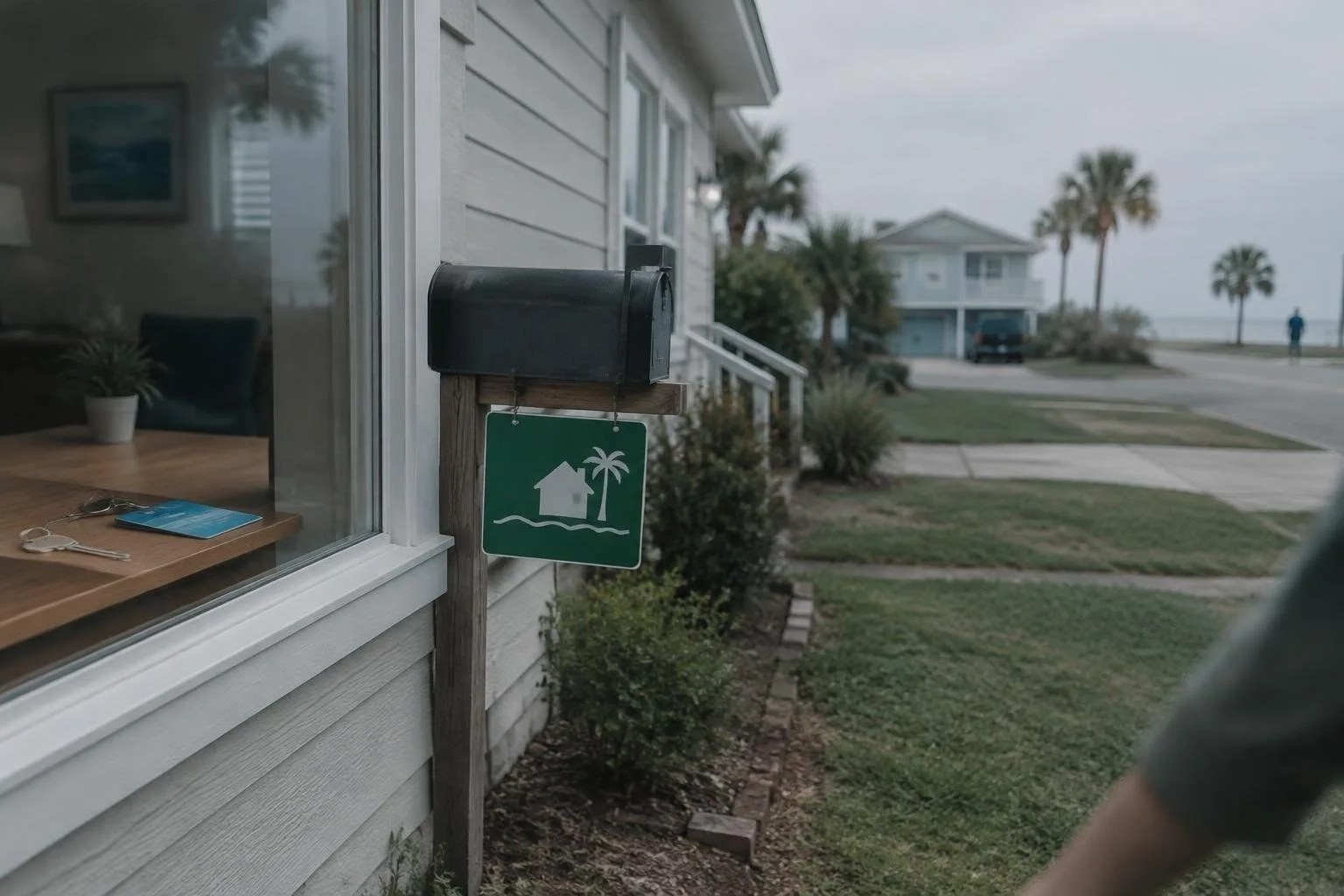
A short-term rental operator in Corpus Christi, Texas, is again in court against the city over permits he says were stalled, reversed or applied differently than before. The dispute matters beyond one company, because the city is weighing a broader ban on short-term rentals in neighborhoods zoned for single-family homes, and the outcome will shape what owners can expect from their properties.
A lawsuit over stalled permits
Chris Munro and his company, C&M real estate Holding LLC, which does business as Coastal Family Homes, filed the lawsuit on Nov. 19 in the 343rd District Court in San Patricio County. The suit also names interim Development Services Director Yvette Wallace in her official capacity. The plaintiffs say six of seven Type 2 permit applications were still undecided when the case was filed. The city denied the seventh application, for a rental at 5445 Ocean Drive, on Oct. 28 and ordered the company to stop operating and advertising it.
The city’s denial letter said the property’s earlier Type 1 permit had ceased to be effective on Aug. 13. Munro disputes that, saying he never withdrew the permit and the city never revoked it. According to the petition, the city’s online portal still showed the permit as active through Dec. 31 as late as Oct. 30, then changed the listing on Nov. 1 and began issuing citations the next day. The petition also says the city stopped rounding up when applying a limit of 15% on Type 2 rentals on one side of a block, a practice Munro says had long been in place.
The plaintiffs ask a judge to order Wallace to rule on the pending applications within one week of a court order, applying the rules in effect when each application was filed. They also seek a permanent injunction and attorneys’ fees. Peter Zanoni, the city manager, said in a statement that the city would review the allegations and “will take appropriate action to protect our employees and our neighborhoods.” As of Monday, neither the city nor Wallace had been formally served, according to the plaintiffs’ lawyer.
Why the risk reaches investors
For second home owners and holiday rental investors, the case shows how quickly local rules can change under a property that was approved on one set of terms. The petition says the city revoked three existing permits after complaints from Ocean Drive homeowners, including state District Judge Missy Medary, and that no appeal hearing was offered. Munro says the change in direction came after pressure from neighbors, while the city has not answered those allegations in the material available.
The city’s proposed ban adds a second layer of uncertainty. The council gave initial approval on Nov. 10, then voted unanimously on Nov. 17 to table it while it collects feedback, with the goal of bringing it back by Dec. 15. Based on city data, 278 short-term rentals operate in single-family neighborhoods, about 17% of the more than 1,600 short-term rentals in the city. Munro told 3NEWS of the proposed ban: “It would bankrupt our business.” Coale, the Dallas attorney representing him, said the legal team’s next steps depend on what the council approves, and that it could amend the lawsuit if a new ordinance is adopted.
For investors, the practical question is whether a permit is a stable asset or a revocable approval. The Corpus Christi case suggests that anyone buying a rental on the strength of an existing permit should check the permit history, the status shown on city records and the outcome of the December council vote before committing capital.