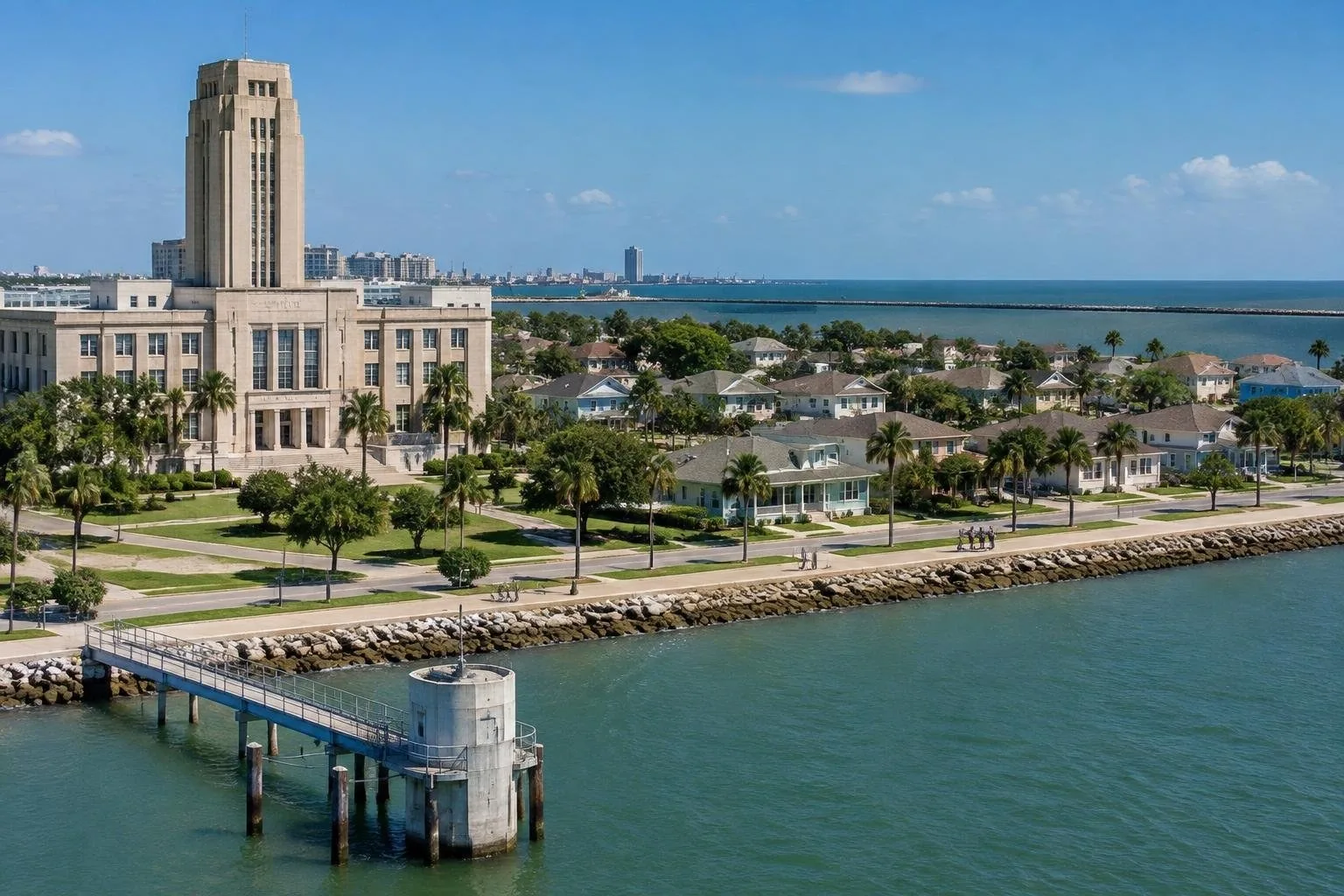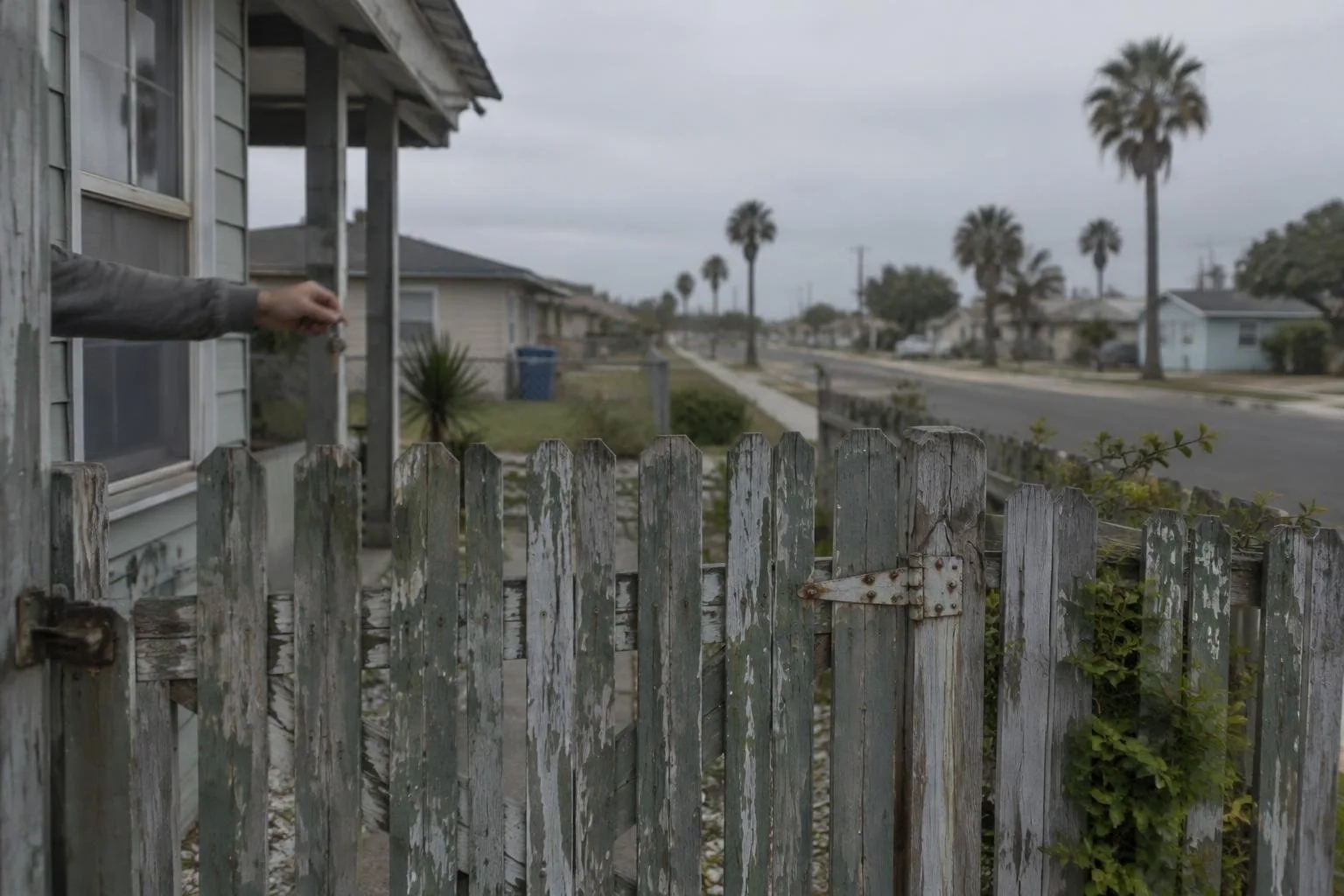
The Corpus Christi City Council approved a measure that will prohibit short-term rentals from operating inside single-family neighborhoods. The decision follows a series of complaints from homeowners who say vacation-rental guests generate late-night noise, increased traffic and a feeling of insecurity in otherwise quiet streets.
Council vote and the shape of the ban
During a Tuesday meeting, At-Large Councilmember Carolyn Vaughn introduced a motion to eliminate short-term rentals from standalone homes. The motion passed unanimously, with only Councilmember Sylvia Campos abstaining. The ordinance will continue to allow such rentals in multi-family buildings, such as apartments and condominiums, but will bar them in any property classified as a single-family residence. The ban is slated to become effective on January 1, 2027, giving owners time to transition or cease operations.
Resident complaints that sparked the action
Neighbors described a pattern of disturbances that ranged from barking dogs at 10 p.m., 11 p.m. and midnight to parties that spilled onto sidewalks. One homeowner told officials that the conversion of homes into vacation rentals “has literally ruined our neighborhood.” The complaints also mentioned vehicles parked on lawns, trash accumulation, and a perceived rise in short-term rental density that altered the residential character of the blocks.
Enforcement doubts and alternative regulations
Before the ban, city staff presented a set of revised rules covering noise limits, vehicle restrictions, and occupancy caps for short-term rentals. Councilmember Vaughn questioned the practicality of enforcing those requirements, stating, “There’s no way we can enforce the rules. The ordinance they’re talking about is just not going to happen.” Because of those doubts, the council opted for an outright prohibition rather than relying on a regulatory framework that would demand additional code-enforcement officers and new software: costs estimated at $756,977 annually.
Parallel agenda: brackish-water desalination plant
In the same session, the council examined a proposal from Seven Seas Water Group to construct a brackish desalination plant at Chapman Ranch. The facility would draw groundwater and produce roughly 10 million gallons of water per day under a “take-and-pay” contract, meaning Corpus Christi would purchase the water without acquiring ownership of the plant. City Manager Peter Zanoni said staff still needs detailed information on pricing, power costs and a comprehensive hydrogeologic study before issuing a recommendation.
Context beyond Corpus Christi
Texas cities are handling short-term rentals in varied ways. New Braunfels currently stands as the only municipality that has enacted a ban on short-term rentals located near single-family homes. Elsewhere, counties are experimenting with up-zoning parcels near transit lines or adjusting rent-board penalties, illustrating the broader debate over how tourism, housing affordability and neighborhood quality intersect.
The council will reconvene on November 17 to cast a final vote on the new regulations and the water-plant proposal. If the ban passes, owners of existing permits that remain valid through December 31 will be allowed to operate until that date, after which the prohibition will take full effect.