

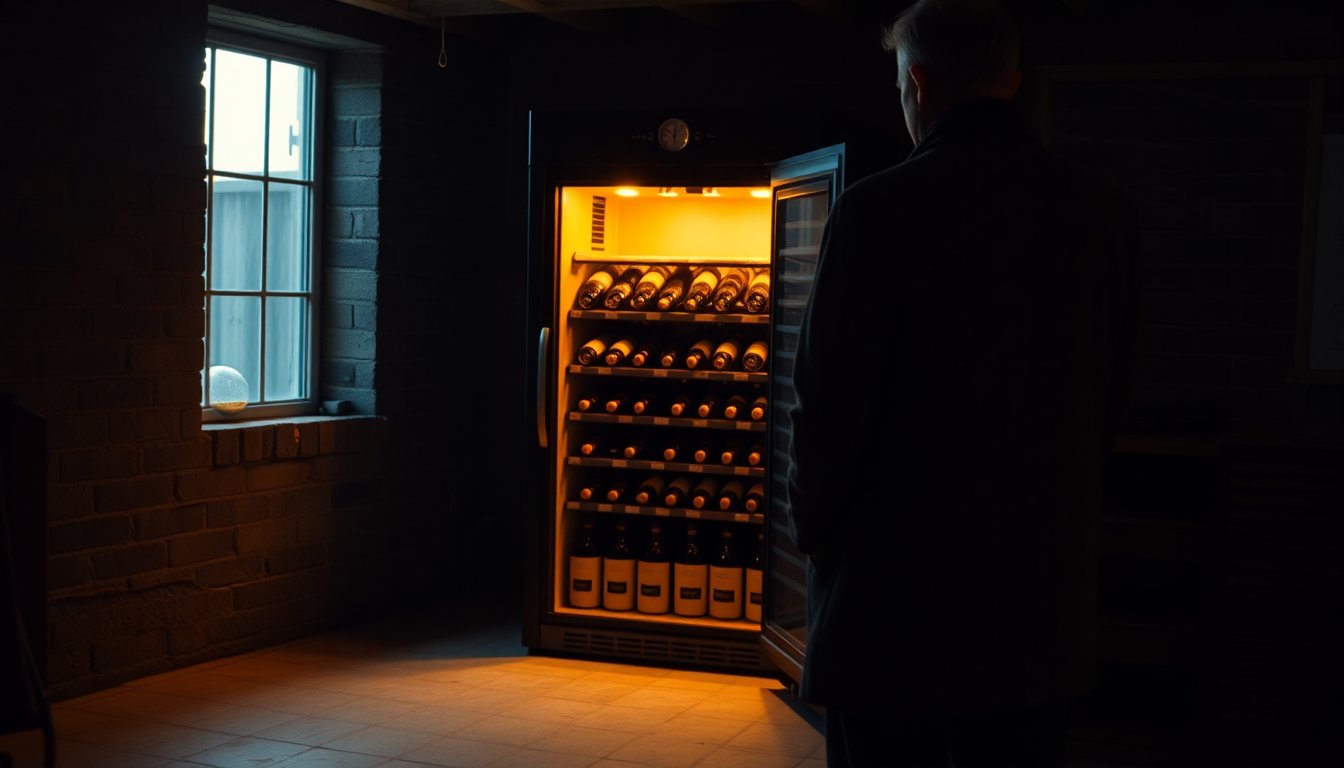
Purchasing a pre-owned wine cellar often appears as a straightforward way to increase storage capacity without stretching your budget. Many buyers are attracted by lower prices, the chance to acquire a larger model, or the environmental benefit of reusing equipment. Yet a wine cellar is more than a bulky appliance: it is a climate-control unit designed to support the aging of bottles. Small faults or gradual performance shifts can undermine years of careful cellaring, so a cautious approach is essential before signing on the dotted line.
In this guide you will find practical checks, clear reasons why used units tempt buyers, and sensible alternatives when long-term reliability matters most. Throughout the article I use technical and enological terms where relevant and explain their practical implications. If you plan to store everyday bottles for short periods a used cellar may be perfectly adequate; if you aim to mature valuable vintages, the standards and tests described here will help you avoid surprises.
Why used wine cellars are appealing
Cost savings are the main driver: a second-hand cellar can trade at a fraction of its original price, allowing buyers to step up to a higher capacity or quality bracket. For example, a larger cabinet that would be out of budget new might become affordable on the resale market. Many purchasers also accept used units for secondary homes or temporary needs. Beyond money, there is an ecological argument: extending the life of an appliance reduces the demand for new manufacturing and lowers the overall environmental footprint. Still, these advantages must be weighed against potential technical and conservation risks.
Technical and enological risks to consider
A wine cellar contains sensitive components such as the compressor, thermostat, ventilation system and insulation. Over time these parts can wear, and some faults are not obvious at first glance. A cellar that fails to keep a stable temperature or correct humidity (typically 60–75% for proper bottle aging) will alter cork performance and accelerate wine deterioration. Likewise, persistent vibration or inadequate airflow can disturb sediment and harm development. Even if the unit looks fine cosmetically, internal drift in performance can quietly reduce the value of stored bottles.
Hidden wear and repair costs
Many buyers underestimate the potential expense of major repairs. Replacing a worn compressor or fixing faulty electronic controls can cost hundreds of euros, plus labor. The average operational lifespan of a cellar varies by quality, but expecting 8–15 years is realistic; purchasing a unit already several years old can place you in the middle of that cycle. That means the initial saving may be offset by near-term service bills or a shortened remaining life, making it vital to assess age and repair history.
How to inspect a used wine cellar before purchase
When evaluating a specific unit, start with paperwork: ask for the original purchase invoice and any maintenance records to verify age and service history. Run the appliance for at least 24 hours and compare the displayed temperature with an independent thermometer. Measure humidity with an hygrometer and listen carefully for unusual noises or persistent vibration. Check door seals and insulation visually; hardened or cracked seals can compromise thermal performance. Also examine ventilation openings for dust or blockages and smell for any musty or chemical odors that could indicate storage in poor conditions.
Practical tests and red flags
Key red flags include rapid temperature swings, humidity consistently outside the recommended band, noisy cycling of the compressor, visible corrosion or water stains, and seals that do not close tightly. If possible, inspect the cellar when it is loaded and unloaded so you can sense how it behaves under typical conditions. For high-value collections, consider an independent technician inspection or insist on a short trial period to confirm stable operation before completing the purchase.
Where to buy and safer alternatives
Second-hand cellars appear on general marketplaces, local classified sites and social platforms, as well as in thrift stores and specialist refurbishers. Buying from a private seller often yields the best price but carries the greatest risk: no warranty and limited recourse if problems emerge. A professionally refurbished unit typically undergoes component replacement, testing and a short warranty, offering a middle ground between cost and reliability. If long-term preservation of valuable wines is the goal, purchasing a new model from a reputable brand delivers up-to-date components, manufacturer warranty and predictable energy performance.
In conclusion, a used wine cellar can be a sensible option for budget-conscious buyers or temporary needs, provided you perform thorough checks and factor in possible repair costs. For those planning serious aging projects, prioritize units with documented history, consider professionally refurbished equipment with a guarantee, or invest in a new system designed for long-term stability. Applying these steps will help you balance savings with the protection of your wine collection.


