

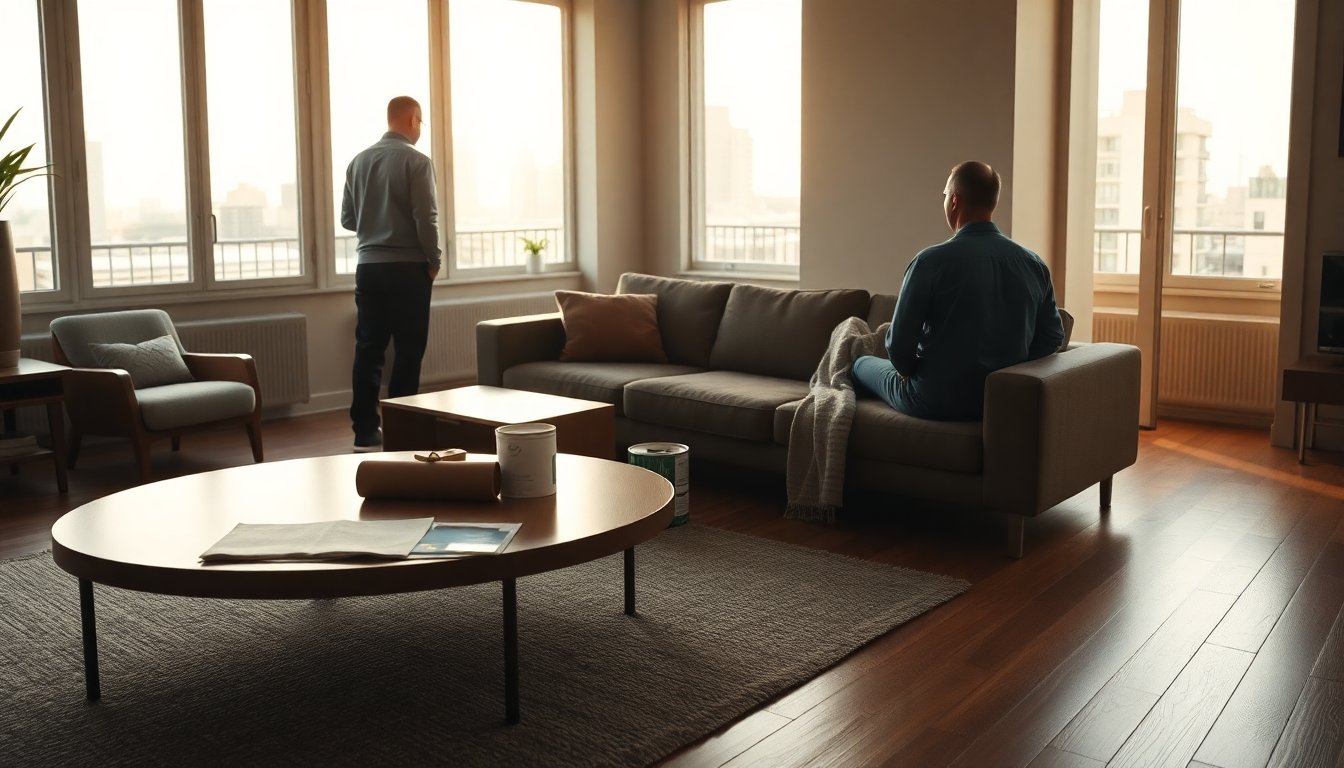
The decision to improve an apartment’s appeal does not always require a full-scale renovation. By prioritizing maintenance and a sequence of targeted interventions, owners can significantly raise the perceived worth of their property while spreading costs over time. This piece outlines a mix of low-cost renovations, strategic aesthetic updates, and more ambitious layout changes so you can plan work in short sprints or as a complete upgrade depending on budget and timeline. The emphasis is on practical decisions that combine visual impact and functional benefits.
Before acting, it helps to define priorities: what will buyers or renters actually value in your market? Factors such as energy efficiency, a clear sense of space and modern finishes are often decisive. Simple staging and routine fixes reduce the buyer’s fear of hidden problems and improve first impressions. This article explains quick cosmetic moves, affordable technical tweaks, and the considerations for reconfiguring rooms to maximize return on investment, including when to consult an architect or structural engineer.
Quick aesthetic and maintenance upgrades
Surface-level improvements deliver a strong visual uplift with modest expense. A fresh coat of neutral paint revitalizes rooms and helps prospective occupants imagine their own furnishings; replacing worn switch plates and refurbishing doors and window frames by sanding and repainting restores detail without replacement. Refreshing fabrics—curtains, rugs and slipcovers—creates a perception of newness and cleanliness. These interventions improve presentation immediately and often pay back through faster sales or higher rents. Combine these tasks into a staged checklist to spread cost and minimize disruption.
Practical low-cost improvements
Energy, appliances and systems
Upgrading a few systems can transform the operational profile of a property. Replacing dated appliances with high-efficiency models and adding smart thermostatic valves or programmable controls reduces running costs and appears on listings as a tangible benefit. Surface treatments such as painting bathroom tiles with specialist resins or using technical paints extend life without demolition. Even cosmetic work on radiators—cleaning and repainting—makes heating elements look cared for. These changes combine operational savings and visual appeal to strengthen an offer in negotiations.
Storage, lighting and multifunctional solutions
Enhancing usability often beats adding luxury finishes. Installing modular shelving, converting awkward nooks into organized storage and choosing furniture with integrated storage (for example, beds with drawers or sofa-beds) improves space optimization without structural work. Upgrading to LED dimmable lighting and defining zones within open-plan layouts helps rooms feel larger and more flexible. Small additions such as a compact washer-dryer tucked into a service area or a shallow built-in wardrobe improve day-to-day functionality and appeal to renters or buyers seeking practical solutions.
Reconfiguring the layout for higher returns
Changing a property’s internal distribution is the most impactful path to increasing value but requires careful planning. Converting a single-bedroom apartment into a two-bedroom or creating a compact home office will typically raise sale price or rent because it increases usable rooms and rental flexibility. Before altering walls or relocating the kitchen and bathrooms, evaluate plumbing runs, electrical capacity and the property’s land registry entries to ensure compliance. A pragmatic approach often repositions the kitchen to exploit existing drains, reduces oversized rooms to add a discrete second bedroom, or uses partition systems like drywall to create closets and utility rooms.
Any work affecting load-bearing elements demands a professional assessment: an engineer or qualified architect must confirm that removing or moving structural components is safe. When possible, opt for reversible or minimally invasive solutions—demountable partitions, built-in cabinetry and dry construction—so you preserve value and reduce permit complexity. Combining these planned changes with the cosmetic and efficiency upgrades outlined earlier gives the best chance to maximize returns while controlling cost and timeline.
Final recommendations
A staged, evidence-based strategy produces the best balance between investment and reward. Start with cleaning, painting and textile renewal to improve perception, then add targeted technical upgrades and storage solutions that enhance daily living. Save layout reconfigurations for a well-researched second phase when you have clear evidence they will meet market demand. Throughout, use professional quotes, check local permit requirements and consider available incentives to reduce net expenditure. By blending aesthetics, functionality and smart planning you make the apartment more marketable without committing to disruptive, high-cost construction.


