

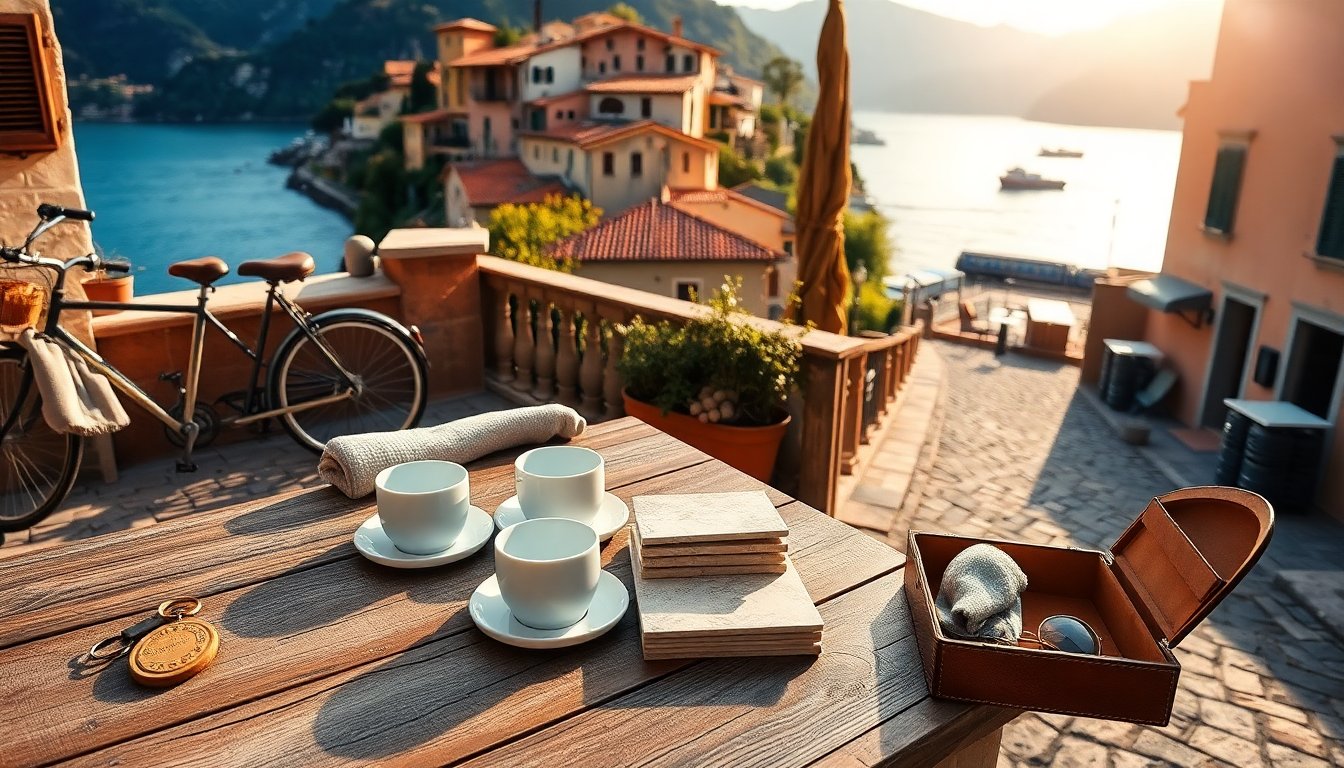
The Italian property scene attracts a wide range of tastes and purposes, from tranquil lakeside retreats to lively urban pied-à-terres. Today’s purchasers combine practical requirements with emotional desires, looking beyond the four walls to the surrounding services, transport links and lifestyle opportunities. Successful positioning of a listing depends on recognizing this complexity: highlight the context, show the potential revenue streams and explain how the property meets everyday needs. Smart sellers and agents use real estate marketing strategies that speak to both hearts and spreadsheets, while buyers weigh immediate pleasure against long-term property value preservation. This article outlines the key factors that shape choices and the operational steps that protect an investment.
Whether you are buying a first residence, a holiday retreat or an asset intended to generate income, it helps to separate core priorities and practicalities. The guide below organizes what matters most: drivers of demand, the mechanics of promotion, and management approaches that keep a property attractive and functional. Throughout we reference specific concepts such as nuda proprietà (a partial-ownership arrangement) and neuroarchitecture (design that considers human wellbeing) to frame options available to modern buyers and sellers. Expect actionable suggestions for boosting appeal, safeguarding value and simplifying ownership over time.
What guides buyer decisions
Location, context and local services
Location remains the foundational variable: proximity to transport, the quality of local services and the character of the surrounding area drive perceived worth. Coastal promenades, well-served ski domains and vibrant historic centers each attract distinct profiles of buyer. International purchasers often add considerations such as international schools, cultural offerings and reputation of the neighborhood. For many, a property’s attractiveness rises when the setting provides both leisure amenities and daily conveniences. When marketing, frame the listing with clear information about connections to airports and rail, nearby marinas or slopes and the regular cultural calendar to show how the house functions within its wider environment, strengthening both emotional and financial appeals.
Practical requirements and emotional appeal
Decisions blend functional needs – accessibility, maintenance ease and rental potential – with intangible draws like views and atmosphere. Buyers seeking a second home may prioritize ease of management and rental income, while those after a primary residence look at schools and year-round services. Sustainability and high-quality interiors have become decisive factors as well: energy-efficient systems and thoughtful finishes support long-term property value. Recognizing whether a prospect wants a weekend refuge, an urban base or a long-term investment will tailor the sales approach and make the property story more convincing.
How to sell and maintain long-term value
Presentation, staging and digital promotion
First impressions matter: professional photography, targeted descriptions and curated staging increase both inquiries and perceived price. Use virtual tours and platforms strategically to reach international buyers and to filter serious leads. A concise listing that emphasizes unique selling points – proximity to landmarks, energy upgrades, or flexible layouts – will convert better than a generic description. Integrate real estate marketing tactics such as audience segmentation and data-driven pricing to find the right balance between speed and return. For high-end properties, storytelling about the locale and lifestyle often outperforms a purely transactional pitch.
Maintenance, management and financial structures
Protecting an asset requires planning: scheduled upkeep, reliable local contractors and clear contracts for seasonal lettings preserve condition and income. Employing a professional property management service simplifies remote ownership, ensuring regular checks, rapid repairs and guest services if rented. Alternative legal and financial arrangements, including partial ownership models like nuda proprietà, can match specific investment goals and lifecycle plans. Regular upgrades to systems and finishes will maintain competitiveness in the market and support stable long-term property value.
Emerging trends and practical takeaways
Looking forward, technology and experience-driven offerings shape demand: online platforms shorten sales cycles, while events and local programming can enhance an area’s appeal when handled strategically. Design approaches that prioritize comfort and mental wellbeing, such as neuroarchitecture, are gaining traction with buyers seeking lasting satisfaction. For sellers, combining solid maintenance habits with smart real estate marketing and clear management plans creates resilience against market shifts. Ultimately, a property succeeds when it meets buyer motivations, is presented honestly and is managed thoughtfully to preserve both enjoyment and investment returns.


