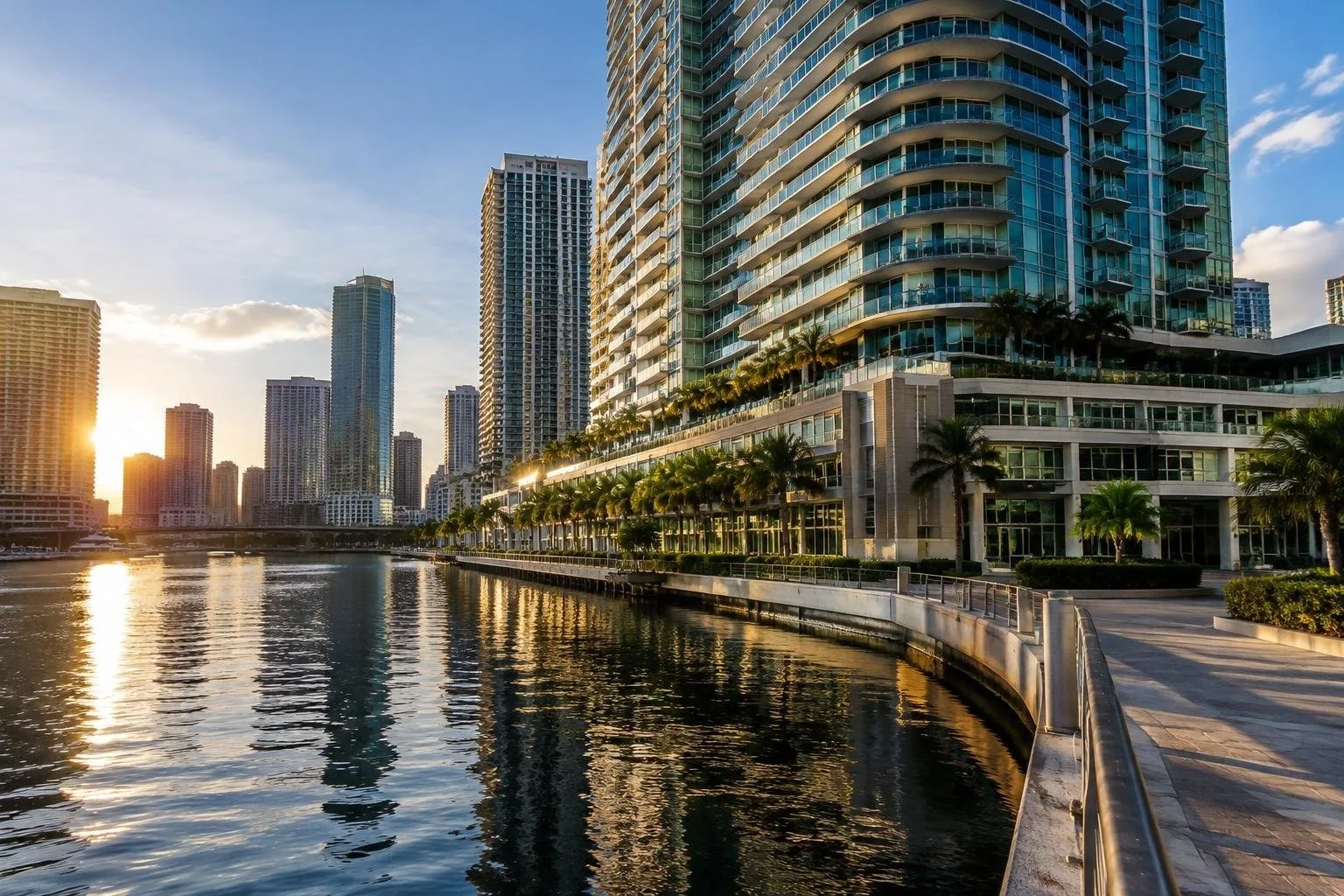
Carolina Sanchez-Hervas stood on the Brickell Avenue Bridge, reflecting on a victory that felt more like a loss. For three years, she and her neighbors at Brickell on the River South waged a relentless campaign against illegal short-term rentals that had transformed their 46-story condominium into a chaotic hub for transient guests. The conflict culminated in a bitter election where Sanchez-Hervas’s faction defeated three board members who supported converting the building into an Airbnb hotspot.
The triumph came with a heavy price. “You’re a liar!” the former board president shouted at her during a confrontation outside the lobby, his fists cocked behind his back. Her husband stepped in as the situation escalated, illustrating the personal toll of the dispute. Despite winning control of the homeowners association (HOA) board, Sanchez-Hervas questioned whether she still wanted to live there. “We’re stuck in a trashy reality show,” she said. “It doesn’t feel like home.”
The Rise of Stealth Hotels in Brickell
The crisis at 41 SE Fifth St. is symptomatic of a broader issue plaguing Miami. Unregulated, unregistered, and untaxed short-term rentals have spread through neighborhoods where they are technically forbidden. Residents reported guests partying naked in swimming pools, vomiting in elevators, carrying guns in hallways, and posting escort service videos from balconies. One resident described the environment as akin to the film *Animal House*.
Miami City Hall failed to intervene effectively. Instead of enforcing existing laws, officials from the city building department reportedly communicated with board members and Airbnb hosts to devise strategies for permissible rentals, without informing the residents. This lack of support forced Sanchez-Hervas and her neighbors to conduct their own investigation. They discovered that hosts were skirting the minimum 30-day rental requirement by submitting sham leases. Armed with police reports, property records, and screenshots of listings, they filed complaints with multiple departments, including Code Enforcement and zoning officials.
The residents’ efforts extended to hiring a lawyer and suing their own HOA board for breach of fiduciary duty. They argued that the board members, all involved in the Airbnb business, were prioritizing absentee investor owners over long-term residents. The lawsuit was dropped only after a new board opposed to short-term rentals was elected in January.
Broader Implications for Housing Affordability
The struggle in Brickell reflects wider trends in South Florida’s real estate market. A migration of wealth since the pandemic has turbocharged the housing boom, pushing Miami to the top of unaffordability charts. The influx of capital has turned many homes into investment portfolios owned by out-of-towners, displacing longtime locals. Nearby, the 75-story Baccarat Residences are selling penthouses for $31 million, further intensifying the pressure on existing communities.
In another tower just seven blocks south, The Club at Brickell Bay, a 43-story building, saw 85 percent of its units rented illegally on platforms like Airbnb. After media coverage highlighted the chaos, the city ordered all illegal lodging to “cease immediately” and cited board members for operating an illegal hotel. Sanchez-Hervas noted that residents at Brickell on the River South were subsidizing these for-profit businesses through their own fees for repairs and upkeep.
Proposing Structural Solutions
Claudia Garcia, a neighbor of Sanchez-Hervas, believes the solution lies in institutional change. Having experienced the mayhem firsthand, Garcia proposed creating a new City of Miami advisory board dedicated to addressing illegal short-term rentals. This Property Owners’ Advisory Board would consist of five to ten volunteer members selected by city commissioners, representing homeowners from various neighborhoods.
Garcia’s goal is to streamline the complaint process and coordinate enforcement efforts. “After years of community efforts to address illegal rental activity, owners have accumulated practical knowledge about operating patterns, methods of evasion and obstacles to enforcement,” Garcia said. She argues that this proposal would give the city a consistent way to receive that knowledge and develop workable responses. District 3 Commissioner Rolando Escalona is currently considering her three-page proposal, which aims to align with a task force launched by District 2 Commissioner Damian Pardo.
While some unit owners at Brickell on the River South still occasionally book short stays, the residents’ self-directed investigation led to code inspectors citing a dozen units and fining violators. Their experience serves as a manual for other angry condo owners navigating similar battles, highlighting the need for persistent documentation, legal action, and political engagement when local authorities fail to act.