

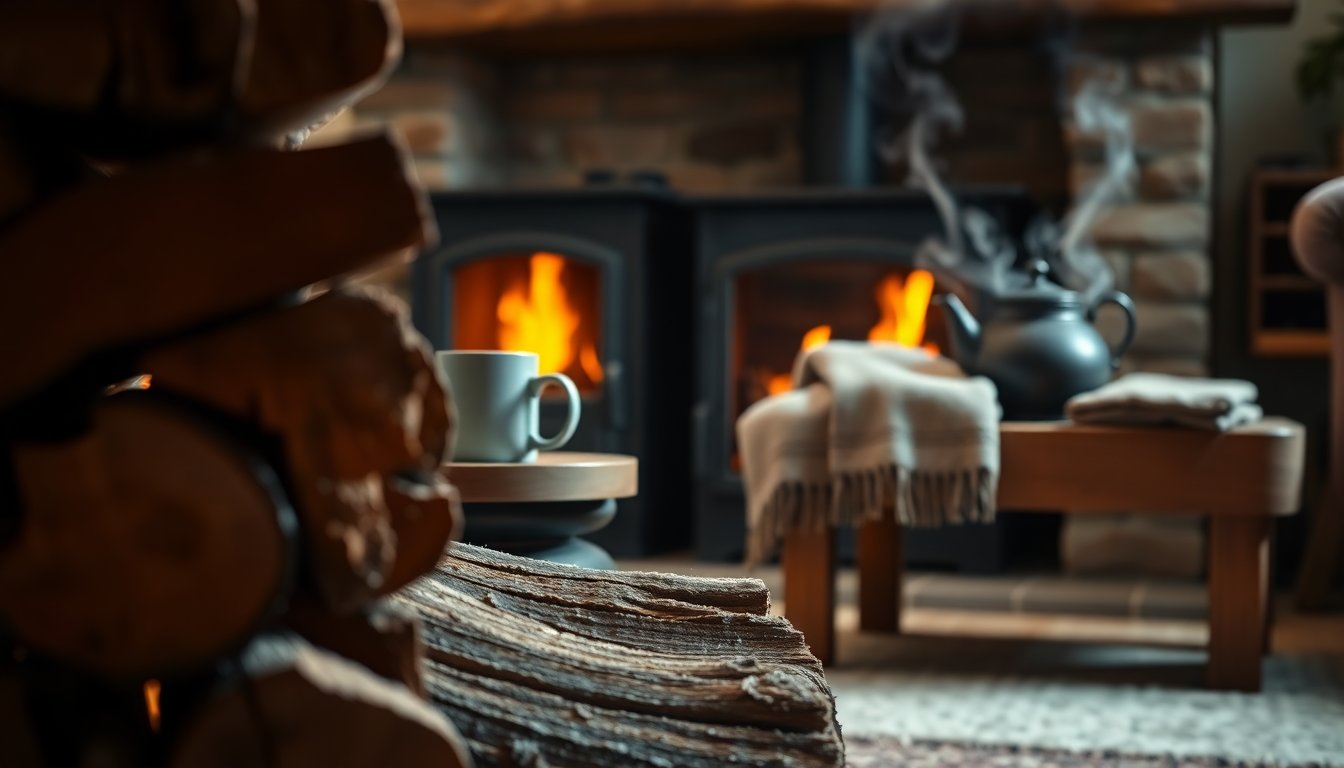
The presence of a wood-burning fireplace in a home is more than a heating choice: it is an ambient author that shapes how a room is used and experienced. Beyond the visual appeal of flickering flames, the device produces a distinct form of warmth that many homeowners describe as immediately comforting. This warmth comes primarily from radiant heat, a mechanism that warms objects and people directly rather than first heating the air, producing a cozy microclimate around the fireplace that changes perception of temperature and invites longer stays in the living area.
When planning or retrofitting a fireplace, it helps to separate aesthetic decisions from technical requirements. The visible elements—mantels, cladding and surround materials—set the tone for the room, while the sizing, rated output and flue design determine real-world performance. Thoughtful choices that balance form and function prevent mismatches such as an overpowered insert in a small room or a too-small unit struggling to provide meaningful warmth. Considering both sides ensures the fireplace becomes both a focal point and a reliable heat source.
Why radiant warmth feels different
The distinction between radiant heat and convective heating explains much of the fireplace appeal. Radiant systems transfer energy via electromagnetic waves that are absorbed by surfaces and skin, so the sensation of warmth is direct and immediate even if the ambient air remains cool. In practical terms, this means occupants feel comfortable at lower thermostat settings, reducing the need for continuous forced-air heating. Understanding radiant heat helps in arranging furniture, selecting reflective surfaces, and choosing a fireplace model that optimizes comfort without wasting fuel.
How radiant heat affects people and surfaces
Because the fireplace warms objects first, placement and surrounding finishes matter. A stone hearth or a heavy masonry surround serves as thermal mass, absorbing energy during the burn and releasing it slowly afterward, smoothing temperature swings. Conversely, metal and cast iron components heat up and cool down more rapidly, offering quicker responses but less storage. These behaviors influence how long the room retains comfortable conditions and should guide decisions about mantel depth, nearby seating zones, and the use of heat-resistant finishes in adjacent cabinetry or decor.
Selecting finishes, sizes and placement
Choosing a finish and style is not purely decorative; materials change both the visual language of the room and the fireplace’s thermal behavior. Natural stone and brick create a rustic or classic impression and provide high heat retention, whereas clean-lined steel or glass lends a modern aesthetic and faster heat transfer. Size and nominal output must be matched to the room volume and insulation quality; consult with a professional to calculate required kilowatt or BTU output and avoid the common errors of underperforming or oversized installations.
Materials and thermal behavior
Different cladding choices affect maintenance and performance. Porous stones may need sealing and careful mortar choices, while metal surfaces can show soot more visibly but are easier to wipe. When thinking about long-term use, consider the type of wood fuel, the ease of loading and ash removal, and whether accessories such as a coordinated log holder or a protective hearth pad will be needed. A considered combination of material, finish and layout helps the fireplace integrate visually while maximizing the benefits of radiant heating.
Practical advantages, safety and ongoing care
A wood-burning fireplace offers autonomy from central systems and an immediate, sensory source of heat, but it also requires disciplined upkeep. Regular chimney sweeping, proper storage of seasoned fuel, and routine inspection of seals and flues keep the unit efficient and reduce emissions. Using certified firewood and promoting complete combustion reduce particulate output, while modern inserts and secondary-burn technologies can significantly improve performance. Safety elements—spark guards, clearances from combustibles and carbon monoxide detectors—are non-negotiable to protect both people and property.
In summary, a well-chosen and well-maintained wood-burning fireplace can be an asset that marries form and function: it provides a unique sensory warmth, an opportunity for expressive design, and a practical secondary heat source when installed and used responsibly. Aligning finish choices, device sizing and maintenance routines turns the fireplace into a long-lasting centerpiece rather than a short-term novelty.


