

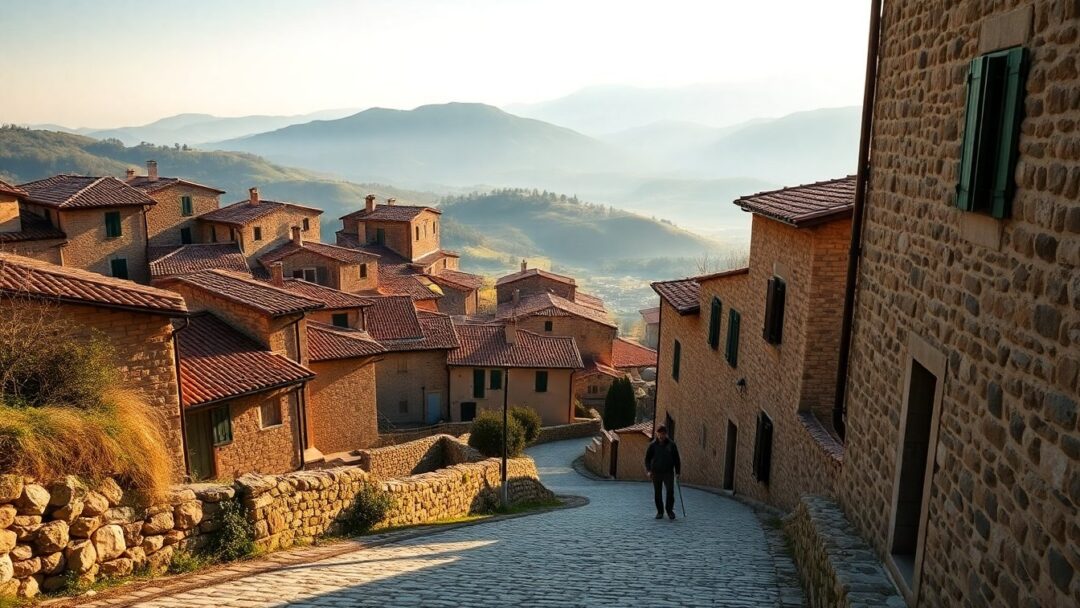
Nestled in the Parma Apennines, the Valtaro region presents a calm alternative for anyone thinking about a second home in the countryside. Soft hills, authentic villages and buildings that carry centuries of history create an environment where daily pace slows and nature becomes central. A second home in this area frequently serves as more than an investment: it is an entry point to a different lifestyle that emphasizes seasonal rhythms, outdoor activities and local traditions. Many properties are built from local stone and sit on plots that preserve agricultural continuity, so purchasing here is as much about protecting landscape identity as it is about owning architecture.
Opting for a stone house in Valtaro often means choosing construction that harmonizes with its context rather than contradicting it. You will find both renovated homes and buildings ready for sensitive recovery: thick stone walls, traditional roof slabs and layouts that once blended living areas with storage and stabling. For buyers who value material authenticity and memory, these features are a major advantage. At the same time, the valley offers practical connections to neighbouring regions, combining mountain quiet with manageable travel times to the coast and to nearby cities.
Why Valtaro and Valceno appeal
The attraction of the Valtaro and Valceno valleys lies in a mix of natural character, cultural richness and everyday livability. Both valleys maintain a strong rural identity where walking, cycling and food-focused experiences are close at hand, and small producers continue to practice traditional techniques. The local market frequently offers properties at prices that are more accessible than urban alternatives, giving buyers a chance to invest in homes with personality and redevelopment potential. For those seeking a holiday retreat, a seasonal residence or a countryside base from which to explore Emilia, Liguria and Tuscany, this blend of authenticity and value is compelling.
Outdoor lifestyle and gastronomy
Life outdoors is a central reason people relocate or buy a second home in the area: trails, gentle ridgelines and woodland paths provide low-impact recreation year-round. Local food culture complements the landscape—family-run osterie and artisanal producers highlight cheeses, cured meats and seasonal harvests. Purchasing a home here means joining communities that protect crafts and seasonal rituals. That experience is crucial for buyers who want more than a roof: it is an invitation to participate in a rural routine where the calendar shapes daily activities and social life.
Traditional stone properties: features and restoration
Typical dwellings in these valleys display clear characteristics: exposed stone masonry, roofs made from local slabs often called ciappe, and external staircases rising to the principal living floors. Many houses were constructed with dry-stone methods or simple masonry approaches that prioritize longevity and modest material lists. The ground floor commonly housed animals or storage while the upper floors served as living space, with adjacent land retained for agricultural use. These architectural choices are functional as well as aesthetic, providing thermal mass, durability and a visible tie between the house and its working land—traits that appeal to buyers of rural property.
Restoration principles
A considered restoration respects original materials while introducing modern comfort and efficiency. Preserving stone facades and roof slabs while integrating improved insulation, efficient heating, updated water systems and discreet renewable solutions can deliver both character and performance. Applying bioedilizia principles—using natural or low-impact materials, breathable insulation and simple mechanical systems—improves energy performance without erasing the building’s identity. Well-planned reuse can convert a neglected farmhouse into a comfortable seasonal or year-round home, keeping original finishes visible and inserting contemporary conveniences in ways that do not undermine the structure’s heritage.
Location, access and practical considerations
Practicality matters: the valley sits roughly 90 minutes from Milan or Bologna, a little over 60 minutes from stretches of the Ligurian and Tuscan coasts, and about 45 minutes from Parma. Those travel times make weekend trips realistic and ensure urban services are within reach when needed. Prospective buyers should evaluate road conditions, travel durations and the availability of local services such as shops, healthcare and hospitality offerings. The regional road network links villages to major nodes, so choosing the Valtaro means balancing accessibility with the slower rhythms that define rural life—an attractive combination for many who want a holiday home that is both a refuge and a base for exploring Emilia, Liguria and Tuscany.


