

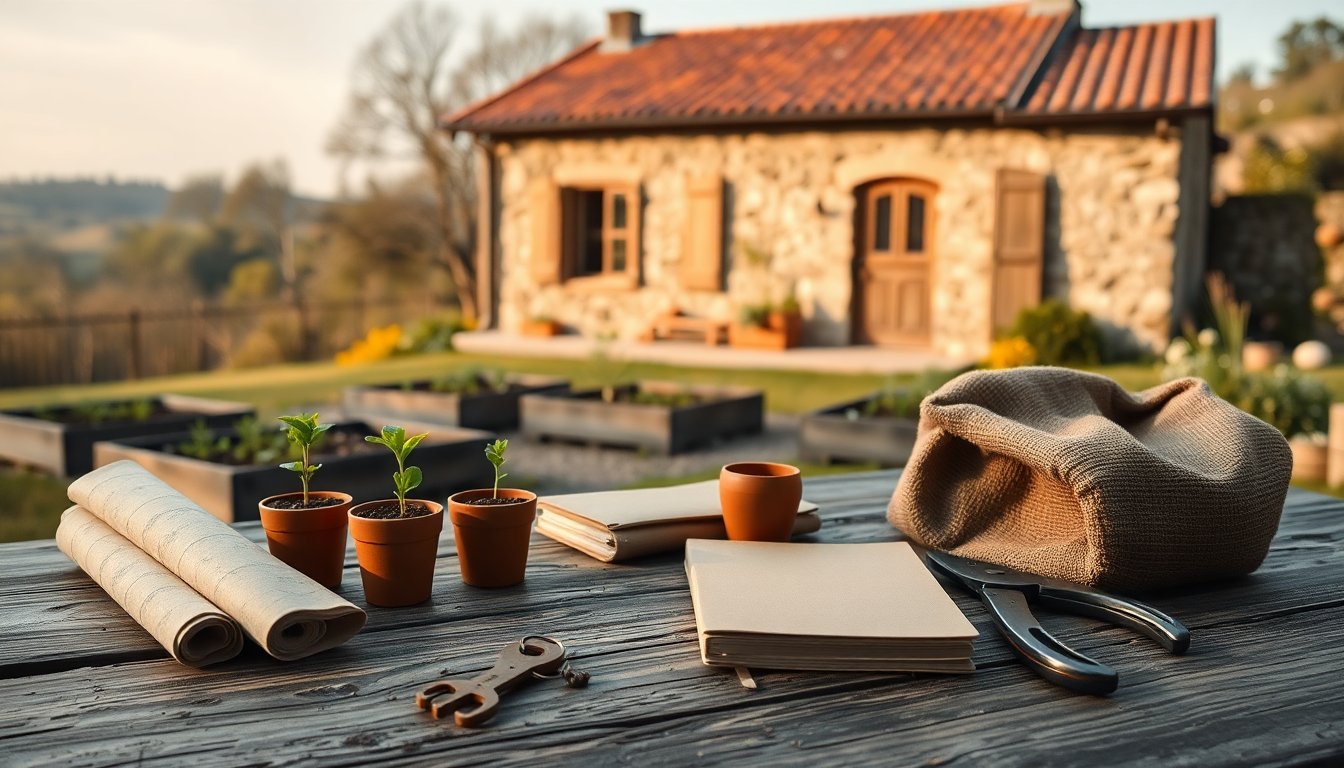
The valleys of Valtaro and Valceno present a compelling option for buyers seeking a second home that blends countryside authenticity with real-world convenience. Nestled in the Parmese Apennines, these areas are known for homes built in local stone and wood, surrounded by meadows and managed woodland. For many prospective owners, the draw is a small, isolated cottage paired with a parcel of land that can be certified for organic cultivation. Such properties invite a renovation approach that prioritizes respect for the original fabric while integrating modern, low-impact systems.
Choosing a cottage here means more than owning a retreat: it is an opportunity to implement sustainable practices and to design living spaces that echo the region’s history. The combination of durable stone walls, wooden ceilings and traditional roofs provides a strong base for upgrades like proper insulation, energy-efficient heating and small-scale renewable technologies. Prospective buyers who enjoy hands-on projects will find the setting ideal for turning a neglected shell into a comfortable and environmentally conscious residence.
Why Valtaro and Valceno make practical second-home locations
One of the main advantages of these valleys is their balance between seclusion and connectivity. From many points in the area it takes roughly 45 minutes to reach Parma, while both Milan and Bologna are within approximately 90 minutes by car. The proximity to the coast is also notable: the Riviera di Levante, the Cinque Terre and Versilia are reachable in about 60 minutes, enhancing the property’s leisure value. This geographic mix makes the valleys attractive for weekend escapes, longer stays and for those who want to combine rural living with occasional city access.
Typical features of the local stone houses and renovation potential
The vernacular buildings of the area commonly display stone masonry, timber floors and sometimes exterior staircases leading to the living quarters. Historically, ground floors served agricultural functions while upper levels housed families and hay storage. Restoring these homes is a chance to preserve character—think exposed stone, original beams and traditional roofing—while introducing modern comforts. Adopting bio-construction methods, for example, aims to enhance thermal performance using natural materials and to reduce operating energy needs.
Design approaches and energy upgrades
Effective renovation strategies often combine conservation with targeted upgrades: improving thermal insulation, replacing outdated systems with high-efficiency solutions and considering renewable energy like solar thermal or photovoltaics. Using locally sourced materials supports the house’s identity and can simplify approvals in areas with landscape constraints. For those planning a self-build or working closely with architects, this typology provides great latitude to create a tailored, low-impact home while retaining the original spatial logic.
Practical checks before buying and developing
Before committing to a purchase, carry out a sequence of essential verifications. Check zoning and the property’s permitted use with the municipal planning office, and investigate any landscape or heritage restrictions that could affect interventions. Commissioning a local technician to assess structural conditions and to estimate refurbishment costs will clarify the scope of work. It is also wise to research available incentives for rural recovery and energy efficiency, as many schemes can offset part of renovation expenses.
Assessing the land and agricultural potential
If the plot is intended for cultivation, evaluate soil quality, sun exposure and water access. A parcel that can be certified for organic production opens possibilities for small-scale farming, orchards or a km-zero hospitality offering. Understanding the land’s constraints—access paths, terraces or erosion risks—helps plan realistic landscaping and production models. Local farmers and agritourism operators can be valuable sources of practical advice and collaboration.
Legal, financial and project management essentials
Managing a renovation project sustainably requires a clear financial plan that includes renovation costs, connections for utilities and possible earthworks for the organic plot. Verify titles, easements and servitudes to avoid surprises. A consultant familiar with the territory can streamline permit processes and identify grants or tax benefits for energy retrofit and rural recovery. Realistic budgeting and staged work programs reduce the risk of delays and ensure the final result honors both the building’s history and the owner’s ecological goals.
In short, the Valtaro and Valceno valleys offer a distinctive combination of authenticity, natural beauty and access that suits those searching for a second home or a small rural project. A stone cottage with an adjacent tract of land certified for organic cultivation can become a rewarding personal refuge and, if desired, a modest income source. With careful evaluation, sympathetic renovation and attention to local rules, these properties can deliver enduring aesthetic, practical and environmental value.


