

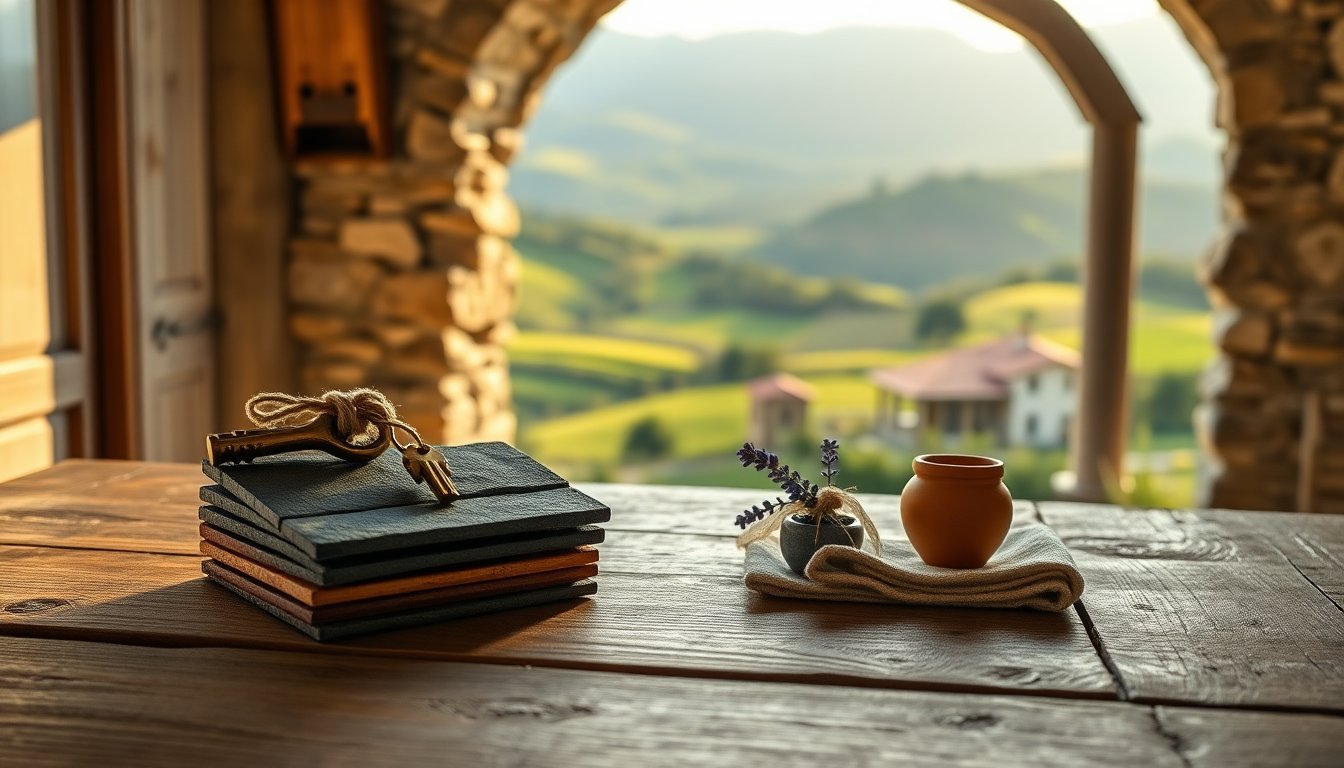
The idea of owning a stone second home in the valleys of Valtaro and Valceno combines timeless architecture with access to vast nature. If you are drawn to restored farmhouses, exposed beams and slate or stone façades, this guide offers practical steps to move from search to settled life. The term second home here refers to a property used seasonally or intermittently without being a primary residence, while rustic describes traditional buildings often requiring renovation and sympathetic maintenance. Originally published on Second Home Magazine on 17/04/2026 20:48, this piece distills essential considerations that help protect investment and the special character of these valleys.
Where to begin: choosing the right property
Start by clarifying priorities: proximity to services, road access, altitude, and the degree of restoration needed. Search filters should include stone houses, usable land, and legal status in the cadastre. Visiting different seasons reveals how isolated locations cope with winter snow or summer heat. A property near a small village will often offer faster access to shops and a local community, while a remote hamlet promises privacy and greater immersion in nature. When touring, take note of roof condition, foundation signs, and vegetation impacting walls — these visible cues often indicate the scale of renovation work required.
Assessing structure and potential
Before making an offer, commission a professional inspection focusing on foundations, roofs, and moisture. The inspection report should highlight urgent repairs, possible reconfiguration, and estimated costs. Check for original features worth preserving—stone walls, wooden beams, and traditional floors—as they add value and character. Consider whether you want to modernize heating and insulation: converting a rustic to a comfortable year-round second home frequently involves upgrading systems for energy efficiency and comfort. Accurate estimates prevent unpleasant surprises and help you budget contingencies for unexpected discoveries during work.
Navigating legal and technical requirements
Understanding local regulations is essential: many properties in these valleys fall under specific land-use rules or heritage protections. Verify the land registry and property title for any easements, agricultural classifications, or restrictions. A key document is the building permit status—some structures are legally classified as abandoned rural buildings requiring a different authorization process compared with regular dwellings. Engaging a local architect or notary early helps interpret municipal plans, zoning constraints and the impact of any heritage rules on your renovation project.
Permits, incentives and technical checks
Ask about conservation incentives and tax credits that can offset renovation costs: Italy often offers regional or national schemes for energy upgrades and seismic improvements. Confirm the need for a formal building permit or a statement of existing works, and review utility connections—water, electricity and septic systems can be costly to bring up to modern standards. Verify road access and any obligations to maintain shared lanes. Hiring a local surveyor to perform topographical and cadastral checks ensures you know property boundaries and avoids disputes later.
Quick buyer checklist
Before committing, run through a concise checklist: verify title and cadastral class, obtain a structural inspection, estimate renovation budget with contingencies, confirm permit requirements, review access and utilities, and research local incentives. Each item reduces risk and clarifies the timeline. Keep copies of every technical report and formal communication, and plan for a realistic renovation schedule: rural work often takes longer due to specialist craftsmen and seasonal constraints.
Living there: practical and lifestyle considerations
Deciding how you will use the property affects choices for layout and systems. If intended as a weekend or holiday retreat, prioritize durable, low-maintenance finishes and independent heating. For potential rental income, create flexible sleeping arrangements and reliable utilities. Embrace local resources—artisans, builders and small suppliers—who understand traditional techniques and materials. Respecting the valley’s cultural and environmental setting by using appropriate materials not only preserves authenticity but can also reduce regulatory hurdles under heritage rules. Thoughtful planning will let you enjoy a peaceful retreat while safeguarding the house for future generations.
Purchasing a rustic in Valtaro or Valceno is a project of both patience and passion: with clear priorities, trusted local professionals, and an accurate grasp of legal and technical needs, you can transform a historic stone building into a cherished second home. Keep this guide as a starting map, and always cross-check findings with municipal offices and qualified advisers to ensure a secure and rewarding purchase.


