

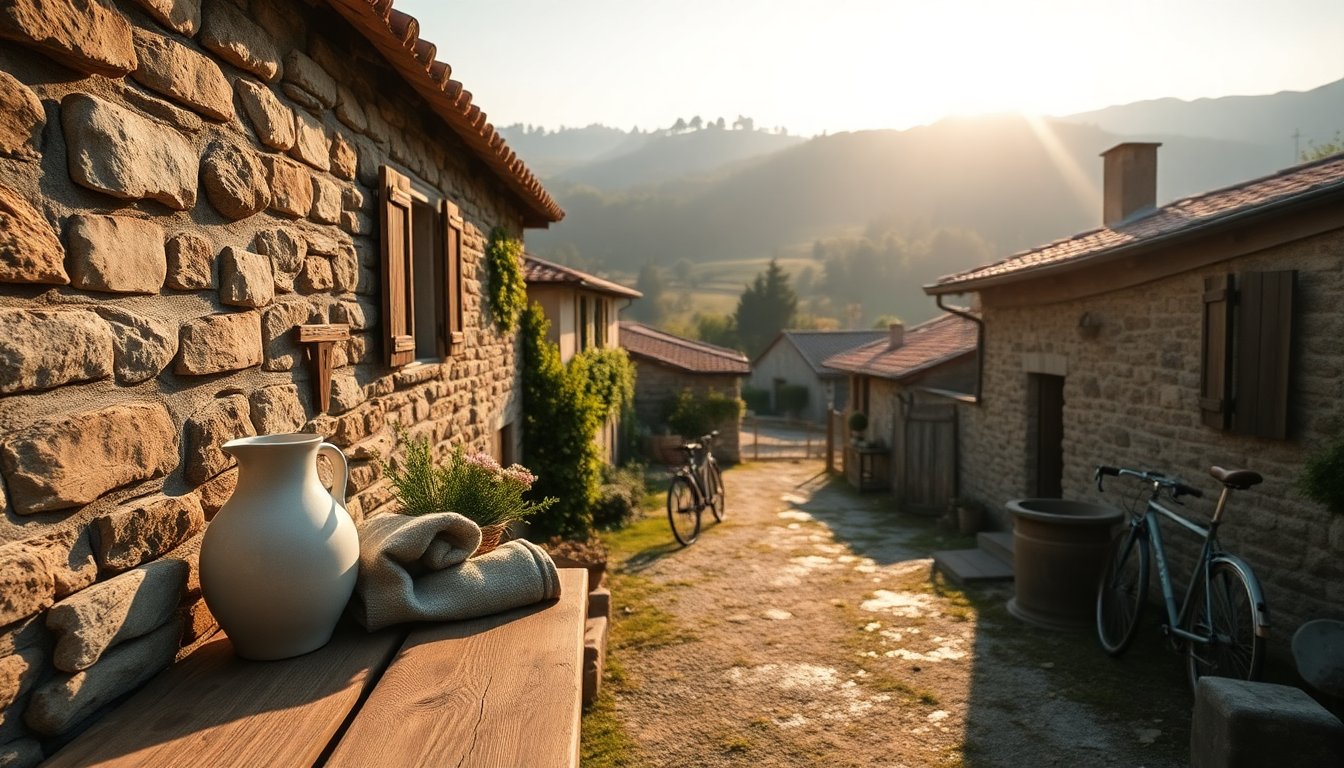
The valleys of Valtaro and Valceno sit in the Parma Apennines, where landscape and lifestyle shape real estate choices. In this context, traditional stone buildings coexist with woodland, meadows and natural springs, creating an environment attractive to buyers seeking a second home away from urban pressure but still within reach of services. The region blends an authentic rural aesthetic with a network of roads and nearby cities that make seasonal or extended stays realistic. Throughout this article we examine the practical benefits of investing here and outline what to expect when searching for and renovating a rustic property.
For prospective buyers, the draw is both aesthetic and functional: stone walls, exposed timber elements and original roof coverings preserve a sense of history, while contemporary bio-architecture choices allow owners to introduce modern comforts without erasing character. The surrounding land—often including small parcels for gardens or pastures—adds value for those who want self-sufficiency or hobby farming. Whether the intent is vacation use, occasional residence, or rental income, the area offers a balance of tranquility and accessibility that appeals to a range of uses.
Why these valleys appeal to second-home buyers
Choosing a property in Valtaro and Valceno means privileging a slower pace and environmental quality. Many buildings are constructed from local stone and traditional materials that age gracefully and require specific conservation techniques. The presence of springs and arable plots near the houses increases both the aesthetic and practical value, particularly for buyers interested in vegetable gardens or small-scale livestock. Local life follows seasonal rhythms, but basic amenities are available nearby, which makes the area suitable for extended holidays as well as sporadic habitation. Emphasizing sustainability in renovation can further enhance the long-term value of a purchase.
Connections and travel times
The valleys enjoy surprisingly practical links for mountain locations: they are roughly 90 minutes from both Milan and Bologna, while the Ligurian and Tuscan coasts are about 60 minutes away, allowing access to the Riviera di Levante, Cinque Terre and Versilia. The city of Parma lies approximately 45 minutes from the area, providing regional medical services, cultural institutions and airport links. These travel times make it feasible for owners who want a countryside retreat without sacrificing the possibility of quick trips to major urban centers or the sea.
Practical commuting considerations
When planning use, consider seasonal road conditions and public transport availability. For many buyers a car is the most convenient option, but proximity to larger towns reduces isolation. The combination of natural assets and reasonable travel times is one of the main reasons the valleys are attractive to people seeking equilibrium between rural authenticity and everyday convenience.
Character of rustic properties and renovation approach
Typical rural buildings in these valleys display identifiable features: exposed stone walls, original roof slabs often called “ciappe,” and external staircases leading to living floors. Historically, ground levels served agricultural functions—stables or storage—while living spaces were placed above. Today these layouts can be sensitively transformed into comfortable homes while retaining load-bearing structures and the historical feel. When renovating, it is common to pair traditional craftsmanship with modern systems like efficient heating and targeted insulation to improve performance while respecting the original fabric.
Restoration, regulations and sustainability
Successful restoration starts with a thorough structural survey by local professionals: assessments of masonry, the roof and existing systems help avoid surprises and guide budget allocation. Favoring reversible interventions and breathable materials protects the building’s heritage and indoor climate. Investigate local planning rules and landscape protection constraints early, since municipal regulations can influence materials and visible changes. Incorporating low-impact technologies—such as efficient biomass, heat pumps and passive insulation—allows owners to preserve the building’s identity while achieving modern energy standards.
On the practical side of acquisition, searches benefit from patient and methodical work: visit multiple properties, compare contexts and calculate renovation costs realistically. Local agents and craftsmen are invaluable for uncovering authentic opportunities—an example listing dated 14/04/26 described a stone cottage with an on-site spring and surrounding land, illustrating the typical offering on the market. Clarifying intended use—vacation, rental or seasonal residence—helps determine the ideal location and size of the property.
In summary, Valtaro and Valceno combine rural authenticity with manageable access to cities and the coast. With careful planning, respect for traditional materials and guidance from local experts, a rustic property here can become a comfortable, efficient and environmentally respectful second home. Attention to detail, regulatory checks and sustainable renovation strategies transform an old stone building into a long-term asset that reflects the landscape and the lifestyle buyers seek.


