A five-storey townhouse on East 74th Street in Manhattan’s Upper East Side is for sale through Christie’s International real estate New York at $8.995 million. The house was home to art collector Barbara Jakobson for nearly six decades, and before her it was the home of filmmaker Elia Kazan for almost a decade.
The property was built in 1910 and expanded in 1956 by architect John Kingsland. It covers 6,406 square feet. Jakobson bought it in 1965, and she kept it as her primary home until the listing. Sources describe it as having at least eight bedrooms and six and a half bathrooms.
A house built for entertaining
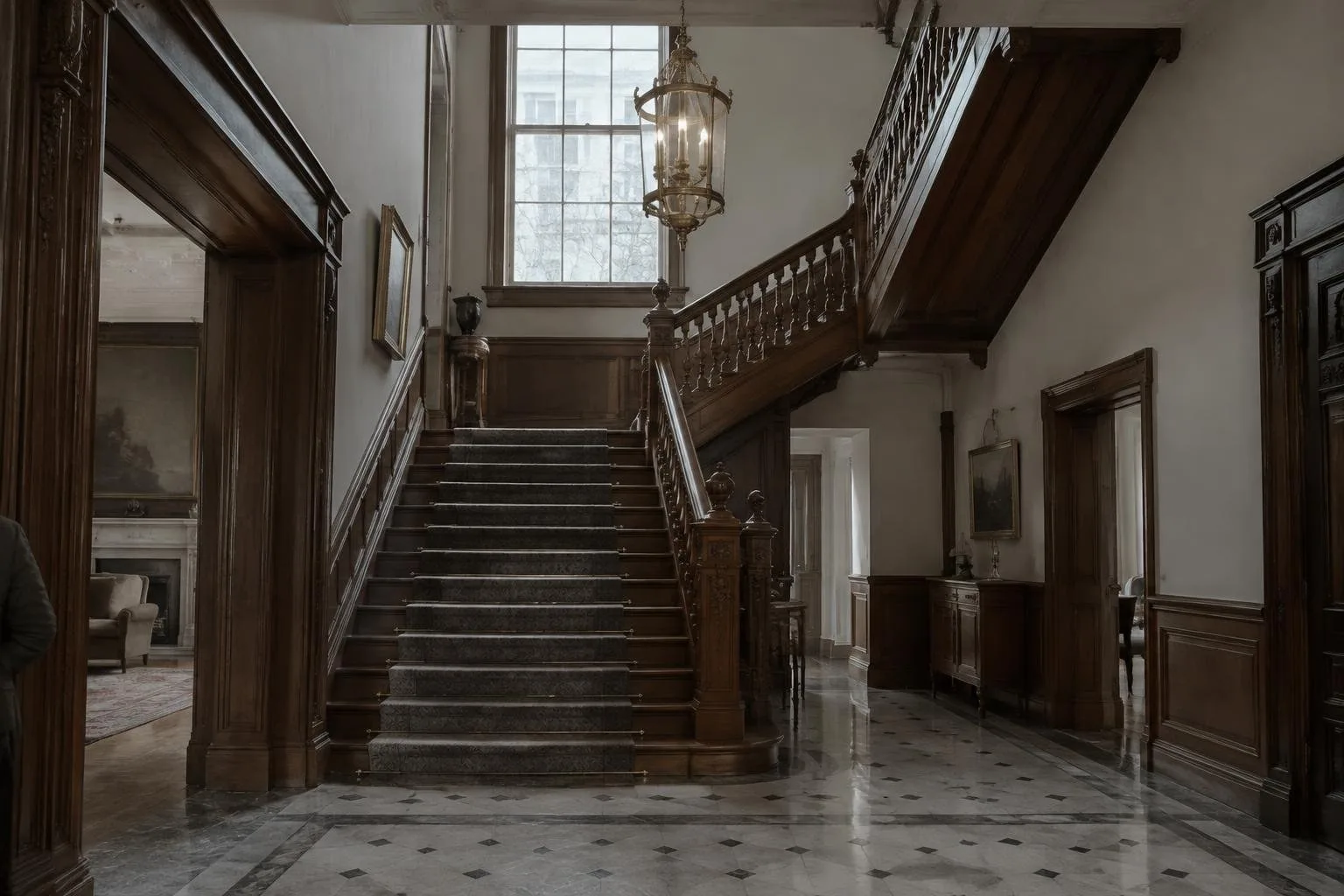
The central feature is a double-height living room about 19 feet high, lit by a skylight, with whitewashed brick walls rising toward the ceiling. The entrance hall has three arches and wallpaper designed by artist Peter Halley. A den with a fireplace opens onto the living room, which sits a level below, and a curved staircase carries visitors down into it. Floor-to-ceiling steel-framed windows look onto a private garden of 350 square feet. A large dining room sits off the living room and connects to the kitchen.
Light enters from two sides. South-facing rooms receive sun through much of the day, while north-facing rooms have softer light and views of treetops and sky. Ceilings measure about 10 feet on the main floors and 9.2 feet on the top level. The listing presents the living room both as a gallery for large artworks and as a setting for gatherings.
Guests and the Kazan years
During Jakobson’s years the house became an informal salon for painters, sculptors and writers. Her guests included Andy Warhol, Jasper Johns, Robert Rauschenberg, Cy Twombly, Philip Roth and Umberto Eco. Before her, Elia Kazan wrote and directed while living there, and the listing says he made East of Eden and Splendor in the Grass during those years. Visitors reportedly included James Dean, Natalie Wood, Warren Beatty, Marlon Brando and Vivien Leigh.
The Squirrel House
From the street, the house is recognisable by its red lacquer doors and a pair of bronze squirrel sculptures by Jane Canfield. Neighbours call it The Squirrel House. The sculptures were installed while underwater explorer and department-store heir Peter Gimbel owned the property, and they have delighted local children for decades.
For buyers, the house combines a large, flexible layout with a documented history of visitors. The listing describes several possible room arrangements, so a new owner can choose how to divide the space for a household or for entertaining.