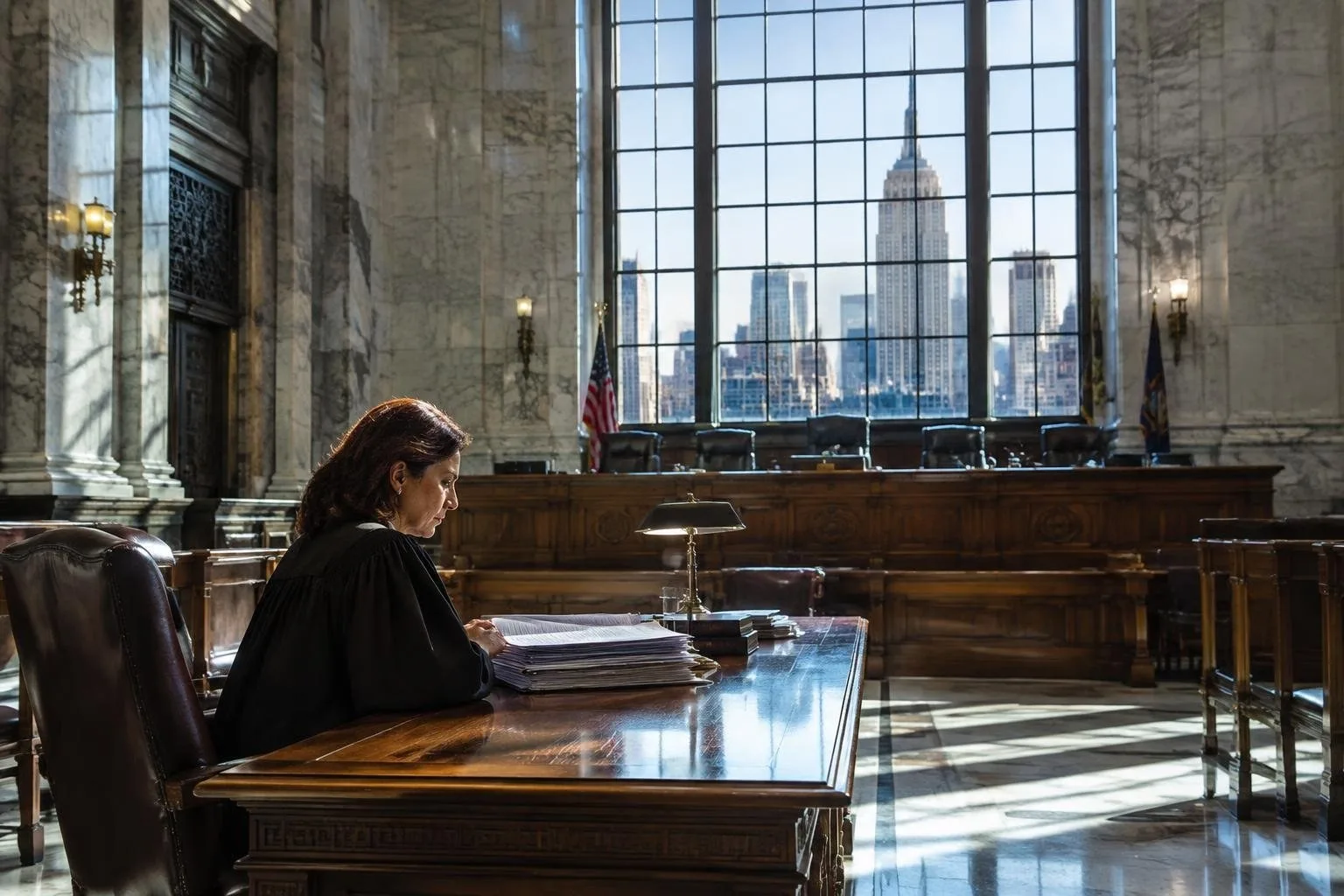
Mayor Zohran Mamdani’s effort to tax high-value secondary residences in New York City received a pivotal boost on Wednesday when a four-judge panel of the Brooklyn Appellate Division ruled that the group of property owners who sued the city lacked legal standing. The decision effectively restores the city’s ability to issue tax bills for the controversial pied-à-terre tax while the remaining lawsuits continue to work their way through the courts.
Appeals court clears the path for the surcharge
The appellate judges focused on the procedural hurdle of standing. Standing requires a plaintiff to demonstrate a concrete, personal injury caused by the challenged action. The panel concluded that the owners could not show any specific harm from the city’s implementation of the tax, noting that the state statute already allows owners to submit evidence of primary residency. By emphasizing this statutory provision, the judges underscored that the legislature anticipated some initial notices would be sent to properties later found exempt, thereby eliminating the need for a flawless first-round list.
Legal arguments and the court’s reasoning
During the earlier trial in Staten Island, a lower-court judge had sided with the plaintiffs, ordering the Department of Finance to redo its data-collection process. The appellate panel reversed that order, stating that the city’s approach did not violate the law because owners retain the right to contest a notice. The judges wrote, “In providing owners of covered properties the right to provide evidence of primary residency, the State Legislature must have anticipated that the list of notice recipients would not be exact or flawless; otherwise, there would be no purpose to providing an exemption procedure at all.” This language cemented the city’s procedural footing while leaving broader constitutional questions untouched.
What the pied-à-terre tax entails
The surcharge targets non-primary residences that exceed certain valuation thresholds: single-family homes worth at least $5 million and cooperative or condominium units valued at $1 million or more. The tax is applied only when the property is not rented out and when a relative of the owner does not occupy the dwelling for the majority of the year. Owners who can prove the unit serves as their primary home are exempt, and the legislation also allows for a thorough evidentiary process to confirm residency status. By focusing on the city’s most affluent property owners, the levy aims to generate a new revenue stream without burdening average renters or homeowners.
Revenue expectations
City officials project the pied-à-terre tax could bring in roughly $500 million annually, a sizable contribution toward closing New York’s multi-billion-dollar budget gap projected for the 2027 fiscal year. Governor Kathy Hochul publicly endorsed the measure, describing it as a practical tool to tap under-utilized wealth in the city’s real estate market. If the tax proceeds as planned, the additional funds would be allocated to affordable-housing initiatives, public-school financing, and other essential services that have faced shortfalls in recent years.
Remaining legal battles and future outlook
Despite the appellate victory, two separate lawsuits continue to challenge the very constitutionality of the surcharge. One suit argues that the tax exceeds the state-mandated ceiling on annual real-estate revenue that New York City may collect, while the other claims the levy discriminates against out-of-state owners, violating the U.S. Constitution’s equal-protection clause. Both cases seek a declaratory judgment that would invalidate the tax outright, and a decision is expected next month.
Attorney Randy Mastro, who represents the initial group of plaintiffs, reiterated that the fight is far from over. He warned that the city’s data-collection methods remain “lawless and chaotic,” and he promised to pursue the constitutional challenge vigorously. Meanwhile, Mayor Mamdani expressed confidence, stating he was “heartened” by the appellate ruling and prepared to defend the surcharge against what he described as “uber-wealthy interests” attempting to evade their fair share of the city’s costs.
As the Department of Finance prepares to mail tax notices ahead of the November 15 deadline, the city stands at a crossroads. The appellate decision allows the immediate rollout to continue, but the ultimate fate of the pied-à-terre tax hinges on the pending constitutional rulings. Stakeholders on both sides of the debate are watching closely, aware that the outcome will shape not only the city’s fiscal landscape but also the broader conversation about how urban centers tax luxury real estate.