

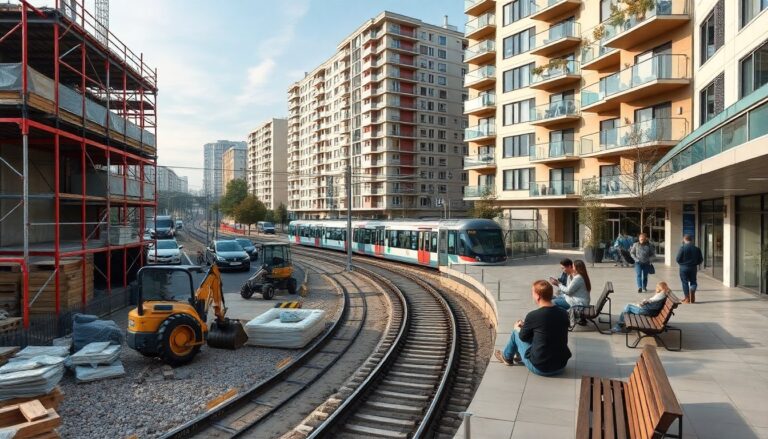
Location is regaining the prominence it always deserved—but in a new guise. In hot markets from city centres to lakeside towns and mountain resorts, value is driven as much by events, transport upgrades and evolving design standards as by the property itself. Big festivals, improved rail links or a new airport route can
flip demand patterns almost overnight; planning or regulatory shifts can trim future returns just as quickly. Investors, agents and owner-occupiers are therefore judging assets across both short and long horizons, weighing immediate premiums against procedural and market risk.
Events and infrastructure as value multipliers
When a place becomes a recurring cultural or sporting destination, its appeal goes beyond the event week. Media exposure lifts a location’s
profile and, critically, transport improvements tend to outlast one-off moments—reducing travel friction and reshaping commuting corridors. That combination expands the pool of buyers for second homes and short-stay rentals, and nudges marginal neighbourhoods into serious consideration. Outcomes vary by governance and planning speed, so checking delivery timelines for roads, rails and airports is essential before paying a premium.
Design agility: the new insurance policy
Developers
and buyers now prize flexible layouts and modular construction. Convertible spaces, adaptable floorplates and dual‑use permissions limit exposure to single-market shocks and speed up occupation once approvals arrive. For families and hybrid workers, this flexibility adds everyday utility; for entrepreneurs and short-stay operators, it preserves optionality. Scenario planning—modelling upside from events and connectivity alongside downside from delays and compliance costs—should be standard practice in underwriting.
Blended lifestyles and wellbeing-led interiors
Remote and hybrid work have permanently altered how people use homes. Buyers and renters increasingly want spaces that support work, relaxation and social life without compromising energy performance or accessibility. Neurodesign techniques—careful use of light, colour and spatial rhythm—are being used to improve wellbeing and perceived value. Combining these human-centred design choices with high efficiency standards widens market appeal and reduces lifecycle costs.
Maintenance, data and technology in operations
Good stewardship matters more than ever. Regular servicing preserves smart systems, cutting long-term repair bills; for short-let properties, tight operational protocols minimise downtime and liability. Meanwhile, privacy rules force careful guest-data handling: clear retention policies, encryption and restricted access are no longer optional. PropTech platforms now centralise maintenance logs, warranty records and contractor schedules, while remote sensors flag problems before they escalate. Together, these tools yield faster responses, auditable trails and stronger resale narratives.
Sales, presentation and verifiable provenance
In the luxury segment presentation creates desire—but proof closes deals. Professional photography, targeted staging and immersive virtual tours spark emotional interest; maintenance histories, technical inspections and standardised compliance records give buyers confidence. Digital compliance checks and standard documentation shorten negotiations and reassure institutional purchasers who expect repeatable, auditable processes across acquisitions.
People plus platforms: governance that works
Local brokers and on‑the‑ground teams remain indispensable for market nuance and service. Technology should reduce routine friction—automating document flows, enforcing role-based access controls and centralising tenant or guest data—without replacing human judgement. Firms that marry territorial knowledge with interoperable PropTech and RegTech modules gain both speed and regulatory resilience.
Practical steps for developers, managers and buyers
– Model scenarios that factor in events, transport upgrades and lifestyle shifts as potential uplifts.
– Build adaptability into designs—modular elements, convertible rooms and permissions for mixed use.
– Adopt a PropTech stack for work orders, asset histories and automated compliance checks.
– Formalise privacy and data-retention policies; encrypt sensitive information and limit access.
– Maintain a documented maintenance calendar, supplier contracts and certificates in a central repository.
– Engage local authorities early to align timelines and reduce procedural surprises.
– Pair visual storytelling with verifiable records—inspection reports and service logs should accompany listings.
What to expect next
The market is moving toward integrated approaches that combine immersive sales experiences with rigorous operational evidence. Investors will reward assets that demonstrate both aesthetic quality and governance discipline: locations anchored by repeatable cultural programming and durable transport links will sustain premiums, while adaptable, well-documented properties will retain liquidity in changing regulatory landscapes. Those who invest in predictive maintenance, clear compliance frameworks and interoperable tech will strengthen asset resilience and shorten sales cycles. Prioritise connectivity and event calendars when assessing uplift; insist on adaptable design to preserve optionality; and embed digital governance so presentation and provenance travel together. That blend—smart planning, human-centred design and disciplined operations—creates properties that not only attract attention, but keep it.