

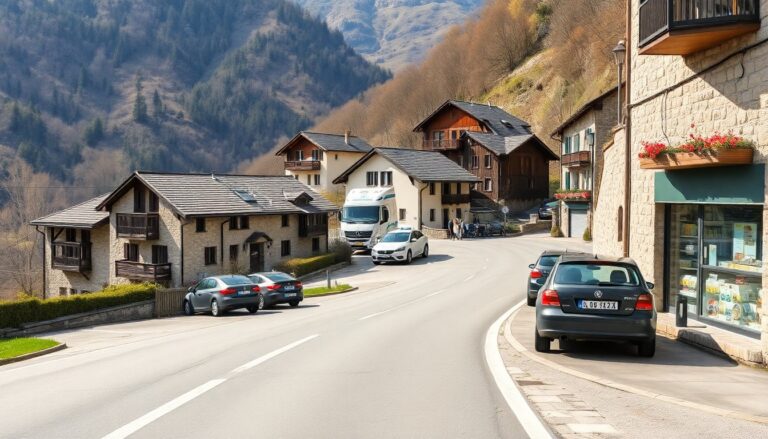
Buyers from Milan are increasingly looking to the foothills and upland valleys for second homes — places that combine short travel times, sensible prices and the infrastructure needed for year‑round use. The Bergamo valleys in particular stand out: they sit close enough
for weekend escapes, cost less than headline Alpine resorts and already have the basics (shops, clinics, maintained roads) that make a mountain home genuinely usable beyond a few weeks a year.
Why these valleys are gaining traction
– Accessibility beats postcard views for many buyers. Properties within roughly 90–120 minutes of Milan get the most interest because they balance frequency of use with decent rental potential.
– Practical value trumps pure scenery. Investors and families prefer homes that keep annual running costs down and require minimal emergency work.
– Energy performance is now a buying criterion. Well‑insulated homes with efficient heating or renewables reduce operating expenses and preserve capital over the holding period.
The key numbers, briefly
– Travel time matters: dwellings under two hours from Milan tend to record higher occupancy
for short stays and more repeat bookings.
– Heating and utilities are not trivial: depending on insulation and fuel, heating can represent roughly 8–15% of annual running costs for mountain properties.
– Energy upgrades pay off: compact, well‑insulated units typically outperform larger, poorly insulated houses on total cost of ownership and net yield.
– Listing dynamics: units that advertise immediate availability, modern systems and outdoor space attract higher enquiry and viewing rates.
Market context and buyer sentiment
Shifts in working patterns, rising city living costs and a stronger focus on lifecycle expenses (heating, maintenance, winter accessibility) are reshaping second‑home demand. Buyers now weigh transport links, healthcare access and local services almost as heavily as scenery. Municipalities that provide clear permitting rules and flexible short‑term rental policies tend to attract more private‑let activity, shortening time to market and reducing legal uncertainty.
Which valleys and towns to prioritise
Look for valleys with reliable road or rail connections to Milan and towns that offer year‑round services: supermarkets, pharmacies, medical clinics, and winter‑ready road maintenance. Places with light tourism infrastructure — cable cars, mapped trails, scheduled buses — expand the pool of potential renters and lower vacancy risk. In the Alta Val Seriana, for example, villages such as Gromo and Gandellino benefit from quieter residential profiles while still offering amenities that appeal to families and longer‑stay visitors. The Valle Brembana corridor also attracts steady local demand without the price tag of premier Alpine resorts.
Variables that change the equation
– Winter accessibility: snow‑clearing regimes and road gradients determine how usable a property is after storms.
– Building fabric: insulation, double glazing and efficient heating dramatically influence seasonal costs.
– Ownership model: single ownership, condominiums and cooperatives bring different fees and governance complexity.
– Local liquidity: remote hamlets trade less frequently, increasing price volatility and holding‑cost uncertainty.
– Regulation: short‑term rental rules and local taxes can materially alter revenue expectations.
Energy, construction quality and buying from developers
Properties with documented energy improvements — better thermal envelopes, high‑performance windows, photovoltaic panels — enjoy lower running costs and broader tenant appeal. Developer‑led projects that integrate design, construction and after‑sales service often offer clearer cost projections, warranties and fewer surprises than piecemeal secondary‑market purchases. That said, when buying new it’s essential to vet the developer’s alpine track record and the transferability of warranties.
Practical pre‑purchase checks (quick checklist)
– Verify the developer’s recent completions in alpine contexts and ask for references.
– Request energy performance certificates and any building‑envelope test reports.
– Confirm the scope and length of after‑sales service and warranty transfer terms.
– Check local governance: road maintenance plans, lift/ski‑area upkeep and summer programming.
– Factor in logistics: remote maintenance costs, supply‑chain constraints for alpine materials, and travel time for contractors.
– Run stress tests on cash flow that include higher maintenance and vacancy scenarios.
Sector impacts to watch
– Local contractors, retrofitting firms and providers of efficient heating systems stand to gain as demand shifts toward year‑round livability.
– Short‑term rental platforms increasingly reward listings with reliable connectivity, verified energy ratings and great service indicators.
– Where communities invest in summer attractions or broadband, rental seasons lengthen and nightly rates improve. Conversely, strict heritage protections can constrain renovation options and raise costs.
Outlook
Demand should remain concentrated where travel times and operating costs match family use and short‑term rental potential. Energy performance and modern systems are becoming price differentiators — buyers are willing to pay a premium for homes that keep running costs predictable and maintenance manageable. In the near term, monitor occupancy around school holidays and long weekends for timely signals; over the medium term, transport improvements and regulatory clarity will be the main levers that shape appreciation and investor confidence. Those factors do more to preserve value — and peace of mind — than a scenic view alone.