

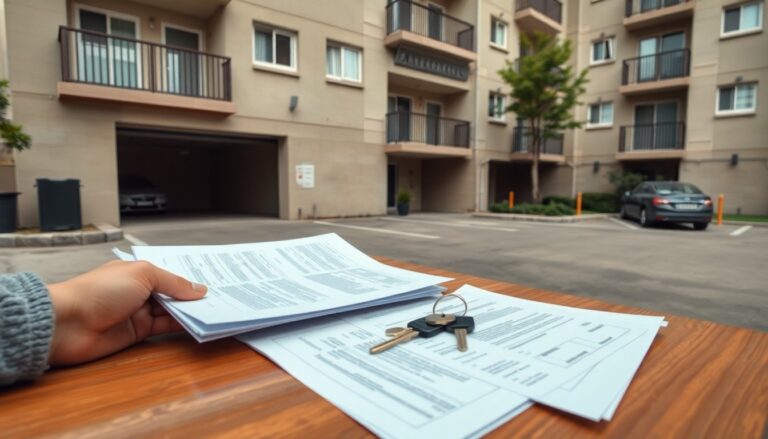
Buying or building a garage, box or parking space can yield a material tax benefit when the transaction complies with statutory requirements. This report explains the steps to secure a 50% tax deduction on qualifying expenditures, focusing on the legal link between the parking unit and the dwelling, permitted
payment methods, and the documentary evidence tax authorities typically request.
Emerging trends show transactions are increasingly scrutinized for their factual and contractual links to the main residence. The future arrives faster than expected: tax auditors concentrate on ownership records, cadastral references and the timing of payments to determine eligibility. Distinguishing between purchasing a completed unit and financing its construction is the first practical step; that distinction
determines which costs qualify and which supporting documents will be decisive in a fiscal review.
Policy and enforcement may vary by jurisdiction. This guide outlines the core legal conditions and the evidence you should compile to substantiate a claim for the deduction.
When the deduction applies
When the 50% deduction applies
Emerging trends show the tax incentive is claimable in two principal scenarios. The first is the purchase of a finished
parking unit from a building company. The second is the construction of a new garage or parking space. In both cases the decisive legal requirement is a functional tie — the pertinenzialità link — between the parking unit and a residential property owned by the taxpayer.
Purchase of an existing unit
If a taxpayer buys a finished box or parking space from the builder, the 50% deduction covers only the portion of the price attributable to the unit’s actual construction costs. To secure the deduction, the buyer must obtain a written declaration from the seller that itemizes costs attributable to the box and separates them from accessory or administrative charges not eligible for the benefit.
Acceptable documentary evidence typically includes the seller’s cost breakdown, the final sale invoice, and any technical reports that isolate building costs. Proof that the parking unit will serve the buyer’s residence is also required to establish the pertinenzialità link.
Construction and new builds
When the deduction concerns a newly built garage or parking space, documentation must demonstrate direct construction costs and the unit’s intended use as accessory to the dwelling. Eligible records commonly include construction invoices, contracts with builders, architectural plans, and certifications that link the unit functionally to the residence.
Emerging trends show tax authorities scrutinize the economic substance of transactions. Authorities expect invoices and technical documentation to align with the claimed deduction. Who owns the dwelling and whether the parking unit is assigned to that dwelling are central factual points.
Evidence checklist to prepare now
To prepare a robust claim, compile the following: seller cost declarations or constructor invoices; detailed sale invoices specifying construction components; written evidence of the parking unit’s assignment to the residence; architectural plans or cadastral annotations showing the functional tie; and any permits or certificates issued for the work.
The future arrives faster than expected: assembling clear, contemporaneous documentation reduces the risk of challenge and speeds processing of the deduction.
The future arrives faster than expected: assembling clear, contemporaneous documentation reduces the risk of challenge and speeds processing of the deduction.
Key conditions and proof required
Emerging trends show tax authorities now require stricter, traceable evidence for deductions linked to the creation of an autorimessa or parking unit. You must prove ownership or a binding contract for future transfer. You must also show a defined pertinenzialità between the parking unit and the residential unit registered to the beneficiary.
Administrative practice places weight on documents that establish chronology and financial traceability. Records that are incomplete, informal or post‑dated are more likely to prompt inquiries or denial.
Essential documents
Provide documents that demonstrate both the legal relationship and the costs incurred. Core items include:
- Title deed or purchase contract showing ownership or a contractual commitment to acquire the parking unit.
- Technical project and building permits that describe the unit and link it to the residential property.
- Invoices and receipts for construction materials and services, showing VAT and supplier identification.
- Bank transfers or payment records that match the invoices and reflect the same payees and amounts.
- Notarial acts or certified declarations documenting pertinenzialità when required by local practice.
- Photographic evidence and dated site reports that corroborate the timeline of construction activities.
- Documentation of in‑economia works such as signed statements, material purchase receipts and proof of payments to subcontractors.
How authorities assess claims
Tax offices evaluate two threads: the legal link between properties and the financial traceability of costs. Clear, contemporaneous documentation supports both threads. When payments are informal or undocumented, authorities may reclassify expenses or deny the deduction.
According to MIT data on administrative best practice, structured evidence reduces dispute duration and improves approval rates. The future arrives faster than expected: claimants who adopt rigorous recordkeeping face fewer hurdles.
Practical steps to strengthen a claim
Start by centralizing all paperwork in a chronological file. Use bank transfers or formal payment methods whenever possible. Obtain written confirmations for any work performed in economy. Request technical reports from the project engineer to link the parking unit to the dwelling. Where doubts may arise, secure a notarial attestation of pertinenzialità.
Chi non si prepara oggi risks protracted audits tomorrow. Preparing coherent, verifiable documentation aligns with emerging enforcement trends and improves the likelihood of a successful deduction.
Preparing coherent, verifiable documentation aligns with emerging enforcement trends and improves the likelihood of a successful deduction. Emerging trends show that tax authorities now prioritise traceable records and contemporaneous evidence.
Keep a compact but complete file of primary documents. Include the purchase deed or the registered preliminary contract that demonstrates pertinenzialità. Add the constructor’s declaration itemising costs, the building permit for new construction and legible invoices. Proof of payment is equally vital: tax offices prefer traceable methods that allow cross-checks against vendor accounting.
Payment rules and alternatives
The safest way to prove disbursement is by bank or postal transfer. Transfers create an auditable trail that reconciles payer and payee accounts. When payments were not made by transfer, specific documentary substitutes may be acceptable.
Acceptable substitutes must be recorded with care. The notarial deed should state sums received and their purpose. The seller should provide a substitute declaration confirming the amounts were entered in business records. These documents require precise wording and supporting evidence to withstand fiscal scrutiny.
Special situations and common pitfalls
Certain cases demand extra attention. Mixed-purpose payments, cash advances and payments routed through third parties increase audit risk. Documents that lack dates, signatures or clear links to the asset weaken a deduction claim.
Common errors include relying solely on informal receipts, failing to match invoice details with transfers, and omitting the builder’s detailed cost breakdown. Such gaps often prompt tax authorities to request supplementary proof or to deny the deduction.
The future arrives faster than expected: prepare for increased digital verification. Maintain a single organised file for each transaction and reconcile invoices with bank records promptly. Retain correspondence that explains nonstandard payment arrangements.
How to prepare today: assemble originals and certified copies, annotate any atypical entries, obtain a notarial record where possible, and secure a seller declaration addressing undocumented receipts. Consider professional review if records are complex or payments are nonstandard.
Emerging trends show enforcement will favour electronic cross-checks and real-time data matching. Expect tax authorities to prioritise traceable transfers and well‑documented substitute declarations as audit evidence.
Buying house and parking unit with a single notarial act
Expect tax authorities to prioritise traceable transfers and well‑documented substitute declarations as audit evidence. Emerging trends show stronger scrutiny when a single notarial act covers both a dwelling and its parking unit.
To preserve the deduction, taxpayers should clearly isolate and document the portion of the price attributable to the garage construction. If that split cannot be identified, the absorption of the box cost into a global price weakens the claim to the deduction. Useful evidence includes a separate invoice line for the garage, a notarial clause specifying the price allocation, or a technical appraisal allocating construction costs.
Payments by family members and advance deposits
The tax benefit may still be claimed when a cohabiting family member or partner pays, provided the invoice or supporting documentation explicitly names the payer and shows the payment proportions. Advance deposits paid before the deed can qualify if the pertinenzialità — the formal link between the garage and the dwelling — is documented in the relevant contracts by the time the taxpayer files the return claiming the deduction.
The future arrives faster than expected: authorities now expect bank transfers, payment receipts and contractual clauses to align. Retain bank statements, annotated invoices and written agreements that assign the parking unit to the principal residence.
When the deduction is not available
The deduction is unlikely when the relationship between the dwelling and the parking unit is not proven. Typical disqualifying situations include:
– no documentary evidence that isolates the garage cost from the
Practical preparation reduces risk: separate invoicing, explicit contractual clauses and traceable payments form the strongest defence against audits. According to MIT data and industry analyses, enforcement attention on such claims has increased, suggesting taxpayers should document these transactions thoroughly.
Emerging trends show enforcement attention on these claims has increased. The future arrives faster than expected: tax administrations now interpret the term realization narrowly. They typically reserve the benefit for cases that qualify as new construction. Simple renovations or changes of use that stop short of a new build often fall outside the benefit’s scope. Verifying the technical classification of the intervention with a qualified professional before filing reduces the risk of denial.
Practical checklist before you claim
Before filing, confirm ownership or a valid sale pact for the parking unit. Ensure a documented pertinenzialità linking the unit to the dwelling is available. Obtain the constructor’s breakdown of costs when applicable. Keep traceable payment evidence, preferably bank transfers, and retain readable invoices and permits. Standardize and digitize these records to align with increasingly telematic verification procedures used by fiscal authorities. According to MIT data and industry analyses, clearer documentation shortens audit timelines and lowers dispute rates.
How to make the 50% deduction defensible
Emerging trends show tax authorities are narrowing acceptable interpretations of deductions tied to home-related boxes. According to MIT data and industry analyses, clearer documentation shortens audit timelines and lowers dispute rates.
The 50% deduction remains available only when claimants demonstrate a legal connection between the box and the residence, provide well-documented costs, and show traceable payments. Each element must be supported by contemporaneous records and legal evidence.
The future arrives faster than expected: early verification with qualified fiscal and legal advisers reduces the likelihood of reassessments. Practical steps include obtaining written legal opinions, keeping itemized invoices, and preserving bank transfers or electronic payment trails.
Who does this affect most? Households and entrepreneurs claiming the benefit should prioritise documentation now, and platforms or intermediaries should implement clear invoicing and payment systems. According to MIT data, organisations that standardise recordkeeping see fewer challenges and faster resolutions.
Prepare by auditing existing files, seeking specialist advice before filing claims, and instituting routine documentation controls. Strong records are the single most effective safeguard against later disputes and will shorten any necessary audit process.