

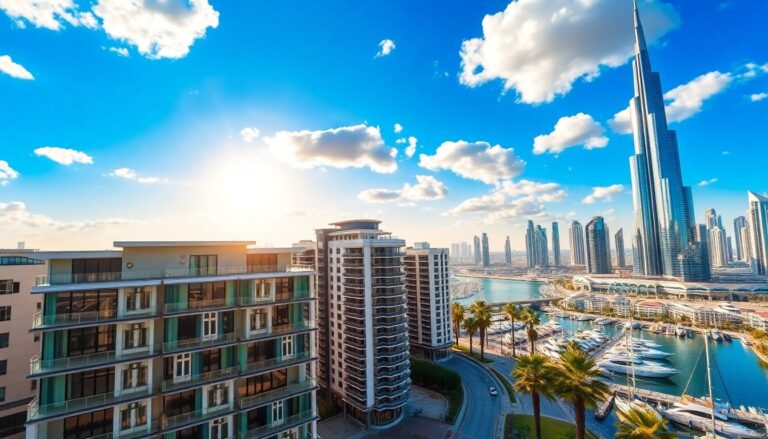
Investing in real estate in Dubai has become increasingly attractive for investors worldwide. The city’s robust economy and status as a global hub offer numerous opportunities for financial growth. This article examines the complexities of the Dubai property market, highlighting key areas for investment and
strategies to optimize returns.
In recent years, Dubai has emerged as a premier destination for real estate investment. The city’s unique blend of luxury and modernity, combined with strong demand from both residents and tourists, sets the stage for promising rental yields and capital appreciation. However, to navigate this dynamic landscape successfully, investors must be well-informed and strategic in their approach.
Key investment areas in Dubai
Selecting
the right location is crucial when considering where to invest in Dubai. Two standout areas that consistently attract attention are Downtown Dubai and Dubai Marina. Each neighborhood has unique characteristics and benefits that can significantly influence investment performance.
Downtown Dubai: The heart of the city
Downtown Dubai is renowned for its iconic landmarks, including the Burj Khalifa and the expansive Dubai Mall. This area
is not only a hotspot for tourists but also a desirable residential location, making it ideal for those looking to rent out properties. Rentals in Downtown Dubai are generally higher compared to other districts, leading to potentially lucrative returns for landlords.
Dubai Marina: Luxury living by the sea
Conversely, Dubai Marina is celebrated for its lavish lifestyle and stunning waterfront views. This vibrant area is particularly appealing to professionals and families, positioning it as a prime location for long-term investments. Properties with marina views are in high demand, ensuring competitive rental prices and promising growth in property value over time.
Understanding rental yields and associated costs
Investing in Dubai’s real estate market can yield impressive returns. Typically, gross rental yields range from 6% to 10%, depending on the location and property type. Nonetheless, potential investors must also consider various costs associated with property acquisition, such as registration fees, commission fees, and taxes.
For example, a registration fee of approximately 4% of the property value is applicable for new purchases. Additionally, ongoing management expenses for property maintenance and tenant management can impact net returns, highlighting the importance of thorough financial planning.
Effective strategies for maximizing investments
To fully capitalize on the opportunities within Dubai’s real estate market, investors should adopt specific strategies. Focusing on properties in developing neighborhoods can lead to significant value appreciation over time. Furthermore, exploring short-term rental options, such as vacation rentals, can enhance income potential, particularly in high-demand areas.
As the demand for rental properties continues to rise, Dubai remains a favored destination for global investors. By carefully selecting locations and implementing well-thought-out strategies, investors can achieve substantial returns. Prior to making investment decisions, consulting with industry professionals is advisable to ensure informed and strategic choices.
The evolving market landscape
Looking ahead, the Dubai real estate market is transitioning towards a more balanced phase. The rapid price increases and speculative buying of recent years are giving way to a focus on sustainability and long-term value. Investors are now prioritizing properties that offer stable rental demand and strong resale potential.
In recent years, Dubai has emerged as a premier destination for real estate investment. The city’s unique blend of luxury and modernity, combined with strong demand from both residents and tourists, sets the stage for promising rental yields and capital appreciation. However, to navigate this dynamic landscape successfully, investors must be well-informed and strategic in their approach.0
In recent years, Dubai has emerged as a premier destination for real estate investment. The city’s unique blend of luxury and modernity, combined with strong demand from both residents and tourists, sets the stage for promising rental yields and capital appreciation. However, to navigate this dynamic landscape successfully, investors must be well-informed and strategic in their approach.1