

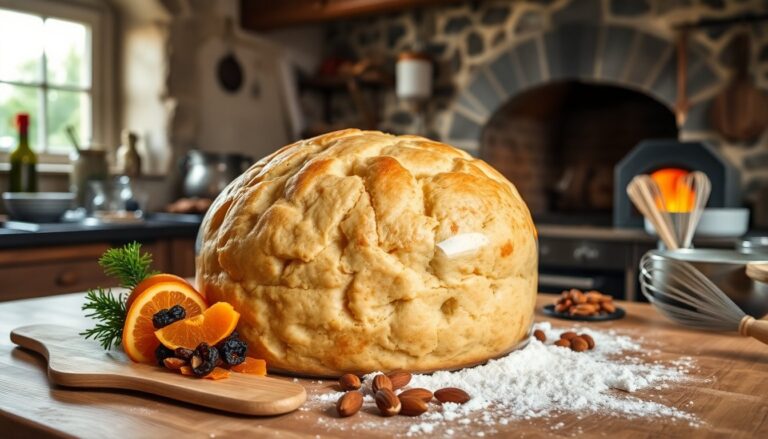
Baking a homemade panettone offers a unique opportunity to share creativity and warmth during the festive season. This traditional Italian sweet bread is not only a treat but also a symbol of family gatherings and communal joy. This guide outlines essential steps for preparing a classic panettone, focusing
on dough preparation and achieving the ideal rise and flavor.
Understanding the components of panettone
Before embarking on the baking journey, it is essential to grasp the key ingredients that define the panettone’s distinctive texture and flavor. A traditional panettone typically includes high-quality butter, candied fruits, and raisins. Each ingredient contributes significantly to the bread’s moistness and fluffiness.
Preparing the aromatic mix
To enhance the flavor of panettone,
begin by preparing an aromatic mix. This process should ideally take place at least 24 hours in advance. In a bowl, combine finely grated citrus peels, honey, a splash of rum, and a hint of vanilla. Cover the mixture with plastic wrap and allow it to sit at room temperature. The longer it marinates, the more intense the aroma will be in the final product.
Steps to create the perfect dough
After your aromatic mix is ready, shift
your focus to the dough. Start by soaking the raisins in water for about 2-3 hours to plump them. After soaking, drain and dry the raisins on a cloth. This crucial step ensures the raisins remain moist without becoming waterlogged, which can negatively impact the final texture of the bread.
Creating the biga
The process begins with the preparation of a biga, a traditional starter that enhances both flavor and texture in bread. Start by dissolving yeast in lukewarm water. Next, mix this with the required ingredients for the biga. Knead the mixture until it forms a smooth ball. Cover the dough with plastic wrap and place it in a warm area. Allow it to rise until it doubles in size, which typically takes around 1.5 hours.
Mixing and rising the dough
Once the biga has risen, combine it with the ingredients for the first dough. Knead the mixture until it reaches a smooth consistency, then let it rise until it triples in size. For the second dough, incorporate the first dough along with additional ingredients. Continue kneading until the mixture achieves a uniform texture. This dough should then rise until it quadruples in volume.
In the final stage of preparation, incorporate eggs, sugar, and flour into the well-risen dough. Gradually add the soft, room-temperature butter, ensuring that each piece is fully absorbed before introducing more. This step is essential for achieving the characteristic richness of the panettone. Finally, mix in the salt and previously prepared raisins.
Shaping and baking the panettone
After the dough is thoroughly combined, divide it into portions based on the size of your baking molds. It is crucial to use slightly more dough than the mold can accommodate to ensure proper rising. Shape each portion into a smooth ball and place it in the mold. Cover with plastic wrap and allow it to rise until it reaches the rim of the mold.
Preparing for the oven
Once the dough has sufficiently risen, remove the plastic wrap and allow the surface to dry slightly. Make a cross incision on top using a sharp blade, and insert small pieces of butter into the cuts. Preheat the oven to 170°C (340°F) and bake the panettone for approximately 45 minutes, monitoring its color closely. If the top browns too quickly, lower the temperature.
To determine if the panettone is fully baked, insert a skewer into the center; it should come out clean. After baking, use long skewers to pierce the base of the panettone and turn it upside down to cool for about three hours. This technique is crucial for preserving the panettone’s structure.
Preparing your homemade panettone
After cooling, securely wrap your panettone in plastic wrap to maintain its freshness and aroma. For an optimal flavor experience, allow it to rest for several hours before serving. This resting period enables the flavors to blend harmoniously, creating a delightful treat suitable for holiday gatherings.
By adhering to these steps, you will produce a homemade panettone that not only aligns with traditional standards but also serves as a thoughtful gift for family and friends during the festive season.