

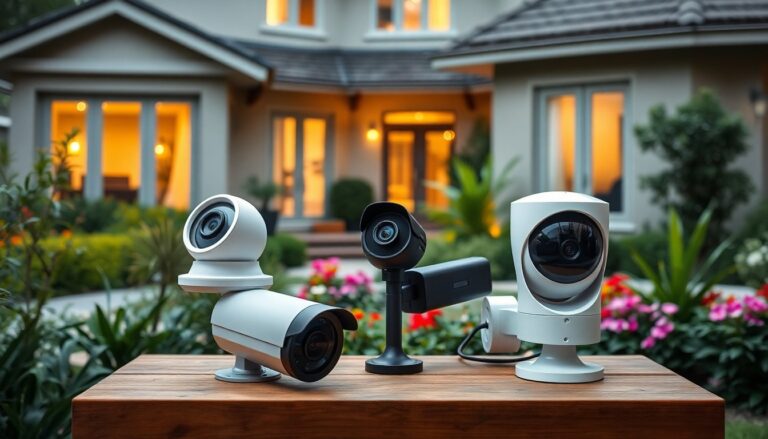
In an era where home and office security is more critical than ever, surveillance cameras offer a reliable solution for monitoring properties. With numerous options available, choosing the right camera can be overwhelming. This article provides essential considerations for selecting the appropriate surveillance camera, detailing
various types and features to assist in making an informed decision.
Understanding the types of surveillance cameras
Surveillance cameras are available in several forms, each tailored to specific needs and environments. The three primary categories include CCTV cameras, IP cameras, and wireless cameras. Each type presents unique advantages and disadvantages based on installation locations.
CCTV cameras
CCTV cameras, or Closed-Circuit Television cameras, have been a long-standing choice
in both commercial and residential settings. These devices require specific wiring and connect to a recording system, ensuring stable performance and high-quality image output. Their reliability makes them ideal for areas requiring continuous surveillance.
IP cameras
In contrast, IP cameras leverage internet connectivity to transmit and receive data. Their growing popularity stems from their ease of installation and the ability to access live feeds from any internet-enabled
device. Additionally, IP cameras often include advanced features such as facial recognition and video analysis, which enhance their surveillance capabilities.
Key features to evaluate
When selecting a surveillance camera, evaluating several key features is crucial, as they significantly influence the effectiveness of your security system. One of the most critical aspects is the image resolution. Higher resolutions provide clearer and more detailed images, which are vital for identifying faces or license plates.
Night vision and motion detection
Night vision capabilities are essential for monitoring areas with low light conditions. Cameras equipped with infrared technology or color night vision can deliver clear images even in complete darkness. Likewise, the inclusion of motion detection features enables instant alerts when suspicious activity is detected, significantly enhancing security.
Connectivity and storage options
Connectivity is another crucial consideration. Cameras that support both wired and wireless connections provide greater flexibility, allowing for various installation options. Furthermore, assess the different storage solutions available; some models offer cloud storage, while others require local storage options like SD cards or dedicated recording devices.
Making the right choice
Ultimately, selecting the right surveillance camera depends on various factors, including camera type, features offered, and the specific environment of use. By carefully assessing individual needs, you can choose a camera that not only safeguards your property but also delivers long-lasting peace of mind.
Whether opting for a traditional CCTV camera or a modern IP camera, understanding the key features and types available will enhance your ability to secure your space effectively. The appropriate surveillance camera can significantly deter crime and provide the reassurance needed in today’s world.