

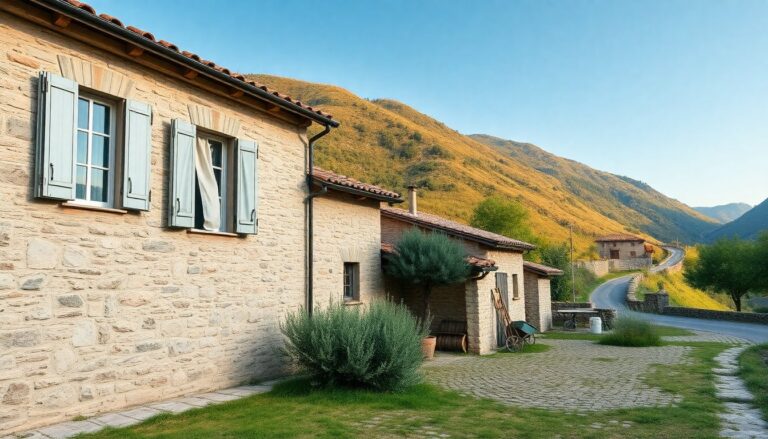
Valtaro’s valley is a rare find: the hush of the mountains with the coast and lively towns just a short drive away. That sweet spot—secluded enough for weekend escapes, yet connected enough for everyday needs—attracts a mix of buyers: families hunting a second home, city folk
seeking a rural retreat, and investors chasing short-stay rental income. This guide explains why a stone farmhouse works particularly well here, what types of properties you’ll encounter, and the practical and legal checks to do before you sign. It also covers how local planning rules and energy incentives can affect costs and timelines.
Why choose a stone farmhouse?
Stone farmhouses in Valtaro have a presence new builds rarely
match. Thick masonry walls, vaulted ceilings and slate roofs give each house a strong sense of place and a visual history. Those features aren’t only charming: the thermal mass of stone helps stabilise indoor temperatures, often lowering heating demand, while original details—beams, arched niches, old floors—are big draws for holiday-makers and buyers seeking authenticity. Plots typically include gardens, orchards or outbuildings, opening up options from
a self-sufficient garden to a guest annex or a small hospitality conversion.
Where location makes the difference
Location shapes both daily life and long-term value. Good road links to nearby towns and the coast boost convenience and widen the pool of potential renters. Proximity to shops, healthcare and schools will strongly influence resale appeal and how comfortable the property feels as a year-round home. On the flip side, many older buildings sit under heritage protections. That can restrict dramatic alterations, but it can also unlock grants or tax incentives for careful restoration. Overlooking these constraints is a quick way to turn a promising project into a costly delay.
What properties look like
Most listings are rustici—stone cottages in tiny hamlets—or intact farmsteads with attached land. Ads usually stress plot size, whether spaces are heated or not, the presence of water sources, and the stated condition: move-in ready, in need of refurbishment, or requiring substantial work. Outbuildings—barns, cellars and courtyards—are common and strategically valuable. Converted well, they can become studios, home offices, or separate guest suites that raise rental income and
Planning, permits and heritage rules
Working on historic fabric almost always means dealing with local planning offices and sometimes regional heritage authorities. Any change to façades, rooflines or structural patterns typically needs formal approval and detailed documentation. Expect longer lead times for permitted works, and a tighter review if a building is listed. Skipping permits risks stop-work orders, reinstatement demands and fines—headaches that easily outweigh any short-term saving. Before you make an offer, assemble a pre-purchase package: land registry checks, a history of prior permits, and any formal heritage listings.
Sensible, sympathetic upgrades
You can improve comfort and cut running costs without erasing a building’s character. Good approaches for Valtaro stone houses include breathable lime render, internal insulation systems designed to avoid trapping moisture, passive ventilation strategies, and heat pumps or solar thermal where the roof and exposure allow. Aim for reversible or minimally invasive interventions and choose materials sympathetic to the original masonry so the walls can “breathe.” Phasing works—doing the most urgent measures first—spreads cost and keeps disruption low, especially useful if the property is still a rental or an occasional family getaway.
Essential pre-purchase checks
Never skip a full due-diligence sweep. Confirm ownership and check for liens or other encumbrances. Review cadastral documentation and zoning within the local urban plan. Commission a structural survey and a moisture assessment; have an architect or engineer evaluate foundations, roof structure and the realistic scope for insulation and services upgrades. Verify utility connections, road access, and any municipal rules on short-term rentals. These steps clarify both the purchase price and the budget for renovation.
Practical next steps
Start by visiting several properties to get a feel for typical conditions and prices. Engage a local architect or restorer early—they know which interventions are permitted and which will destroy character. Get written estimates for structural work and for bringing services up to modern standards. Finally, factor in time: permitted restoration projects often take longer than new builds, so set expectations accordingly.
Valtaro’s stone farmhouses offer a rare blend of atmosphere and opportunity. With careful research, respectful restoration choices, and the right professionals on your side, a farmhouse here can be a rewarding home—and a smart long-term investment.