

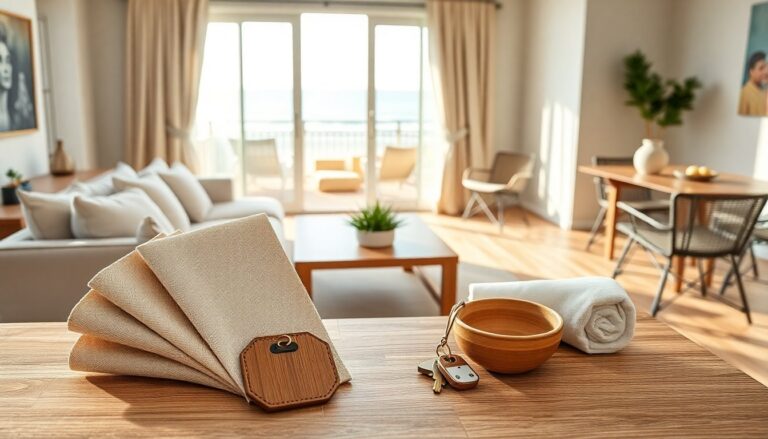
The success of a short-term rental often depends on choices that go well beyond taste: every furnishing decision affects the occupancy, guest feedback and daily operations. Thinking like a guest helps you balance aesthetics, durability and practical maintenance. In this guide you will find clear
cost ranges, purchasing priorities, common pitfalls to avoid and ideas to tune the style of the property to its location. Understanding the relationship between design and photography is essential because the images you use online will determine whether a potential guest stops scrolling or moves on.
Plan your budget and set clear priorities
Start by establishing a realistic budget and allocating funds room by room. Typical full-fit ranges are useful
benchmarks: a studio may cost about €3,000–€8,000, a one-bedroom around €5,000–€12,000 and a two-bedroom roughly €8,000–€20,000, depending on material quality and location. Partial updates commonly fall in the €1,000–€4,000 bracket. Add logistics fees for delivery and assembly—usually between €200 and €800—and keep a contingency equal to 15–20%. This reserve covers damaged items, late arrivals or unexpected replacements so your listing can go live on schedule.
Prioritize rooms and guest comfort
Distribute spending by impact: invest first in elements that directly shape guest satisfaction, such as a quality mattress, a comfortable sofa and layered lighting. Kitchens and bathrooms are scrutinized closely by users, so if guests cook, allocate a meaningful portion of the budget there for appliances and essentials. Use a per-room ceiling to keep purchases on track and replace the items that most often generate negative reviews. When upgrading selectively, prefer pieces that are easy to clean and quick to swap out to reduce downtime between bookings.
Create a recognizable visual anchor
Design with a broad audience in mind: choose a neutral, photogenic palette and a single signature element—an eye-catching wall, a distinctive lamp or a styled reading nook—that becomes the visual shorthand for your property. Consider dedicating around 20% of the decorative budget to this element; industry data suggests listings with more compelling photos can see up to 24% more bookings than those with generic imagery. Always preview furniture and finishes through the lens of a camera: overly reflective surfaces or overly saturated colors may photograph poorly and reduce click-through rates.
Adapt style to context and choose materials wisely
Match the interior language to the setting to avoid a jarring guest experience. For a lakeside retreat opt for light tones and breezy fabrics to frame the view; coastal properties should favor moisture-resistant materials and natural palettes; mountain homes benefit from warm textiles and restrained wooden finishes; city apartments should reflect the urban vibe and practical needs of travelers. Address structural issues and major defects before decorating—cosmetic fixes are fine for hiding small flaws, but guests will penalize serious problems that affect comfort or safety. Remember that proper selection of finishes reduces maintenance and prolongs the asset’s life.
Low-cost sourcing and ongoing management
You don’t need to overspend to create a memorable listing. Use trusted budget options like IKEA for durable basics and hunt for character pieces at second-hand markets or platforms such as Facebook Marketplace and Subito. Choose washable linens and easy-care textiles, and avoid fragile or hard-to-replace items so you can restore the space quickly after wear. Keep an inventory of spare bulbs, linens and a list of local suppliers for fast replacements. Organizing purchases by room helps preserve visual coherence and simplifies maintenance over time.
Final considerations
Furnishing a holiday home is a long-term investment: focus on guest comfort, photographic appeal and resilience to heavy use. Plan purchases, set priorities and allocate contingency funds to avoid last-minute problems. With strategic spending, a clear visual identity and attention to practical details, even a modest budget can yield a competitive listing that attracts bookings, earns better reviews and reduces management headaches.