

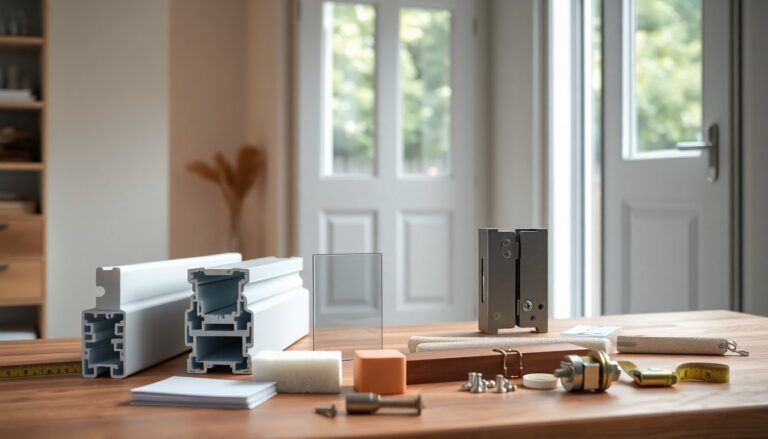
The company began its activity in 1994 and, starting in 1999, shifted its core work to window systems and entrance doors for residential buildings. Over the years the product range has been refined to answer three main demands: appealing appearance, robust security and efficient
thermal insulation. This short guide is designed to help homeowners and designers make informed decisions by explaining key features, common options and responsible production practices in accessible language. Important technical concepts such as multicamera construction and thermal insulation are defined clearly so readers can compare offers and estimate value.
Choosing an entry door or a set of windows is both an aesthetic and practical decision: it affects the visual identity of the home, occupant
safety and the annual energy bill. The guide highlights what to inspect on product data sheets, which certifications to trust and how to interpret declared performance indicators like Uw. It also points out the role of after-sales services and local showrooms in guaranteeing a correct installation and lasting performance.
Entrance doors: appearance, protection and performance
Entry doors made in PVC play two roles at once: they act as a first line of defense
and as the visual introduction to the house. Beyond design choices, key parameters include thermal efficiency, airtightness and the configuration of locking systems. PVC doors are often chosen because they need little upkeep while offering a competitive price-performance ratio. When evaluating options, compare declared Uw values, the thickness and layering of glazing and the presence of certified locking elements. Visiting a showroom and asking for performance test results helps separate marketing claims from real-world behavior.
Customization that affects comfort and safety
Customization goes well beyond color and pattern: it can change how a door performs in daily life. Options such as reinforced panels, laminated glass, low-emissivity glazing and thermally insulated thresholds directly influence security and acoustic comfort. Some models incorporate galvanized steel reinforcements to improve structural stability, while specialized gaskets and multi-layer seals enhance wind and water resistance. Selecting the right mix of aesthetic and functional elements means balancing visual preferences with concrete benefits like improved soundproofing and reduced heat loss.
Profiles on the market: Rehau, Aluplast and P-Line
Three profile families often appear in residential offers: Rehau, Aluplast and P-Line. The first two commonly provide 70 mm depth systems that combine architectural flexibility with energy-saving potential, and are available in both classic and rounded designs. The P-Line option stands out for its strong value for money and its use of a multicamera structure that boosts thermal performance. Regardless of brand, always check the glazing thickness, the existence of internal metal reinforcements and certified Uw figures to make a reliable comparison.
Comparing technical data sheets
Technical documentation reveals what matters most: the number of insulation chambers, the type and number of gaskets, and whether steel reinforcement is included in critical profiles. These components determine a frame’s rigidity, its resistance to air infiltration and its long-term behavior. A well-documented product will list test results and certifications; this transparency makes it easier to translate labelled values into expected benefits, such as lower heating consumption and increased indoor quietness.
Everyday use, maintenance and long-term value
Usability refers to how a system performs during daily operation: ease of opening and closing, frequency of maintenance and longevity of surface finishes. High-quality profiles are designed to minimize upkeep and to accept spare parts and adjustment without complex interventions. Choosing systems with certified performance helps homeowners reap actual savings on energy bills and enjoy improved comfort. Additionally, the availability of accessories and integrated security systems enhances both usability and the lifespan of the installation.
Sustainability, sales network and after-sales care
Environmental considerations are increasingly central in production choices. Green windows and doors emphasize recyclable materials, manufacturing processes with lower environmental impact and design choices that reduce heat loss. Opting for certified products and manufacturers with documented sustainability commitments limits the ecological footprint of a home. On the practical side, evaluating a seller’s local presence matters: having access to showrooms and workshops in towns such as Gallarate, Castellanza, Viadana, Cassano Magnago, Pordenone and Grosseto makes it easier to inspect samples, request customized solutions and ensure professional installation. A reliable after-sales service that offers installation to technical standards, scheduled checks and warranty support completes the picture and protects the long-term value of the investment.