

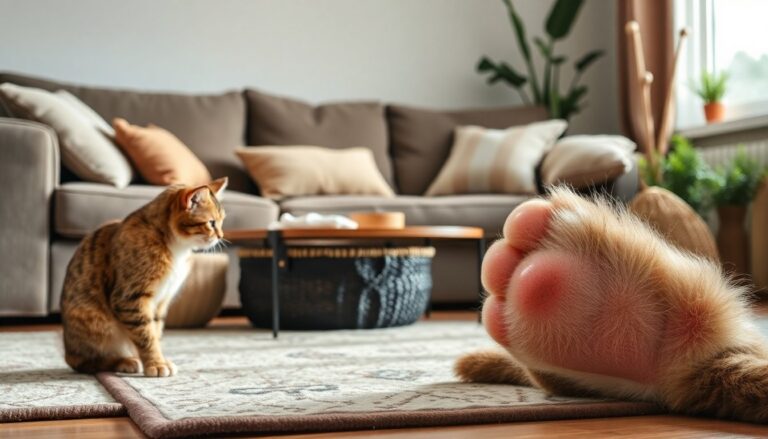
Ringworm risk for households with cats: what owners should know
Households that include cats face a common but often overlooked health risk: the fungal infection commonly known as ringworm (medical name dermatophytosis). The condition affects skin, hair and nails of both animals and
humans. Transmission occurs through direct contact with an infected animal or indirectly via contaminated objects and surfaces.
Recognizing symptoms early is crucial. Lesions on skin, patchy hair loss on pets and persistent itching warrant veterinary or medical assessment. Accurate testing, including fungal culture or dermatological examination, confirms diagnosis and guides treatment.
Treatment must combine targeted medication with rigorous environmental sanitation. Antifungal therapy for the infected individual should
be paired with cleaning of bedding, grooming tools and household surfaces to prevent reinfection.
From an ESG perspective, cleaning choices matter. Sustainability is a business case when families and companies select pet-safe, low-toxicity disinfectants that reduce chemical exposure while maintaining efficacy. Leading companies have understood that product performance and environmental impact can be aligned.
For families and small businesses that host animals, practical steps include
isolating affected pets during treatment, laundering fabrics at high temperatures when safe, vacuuming and using appropriate surface disinfectants. Consult a veterinarian for a treatment plan and a physician if there is concern about human infection.
Consult a veterinarian for a treatment plan and a physician if there is concern about human infection. This next section explains transmission pathways, environmental persistence and practical steps to reduce household contagion.
How ringworm spreads and why the environment matters
Dermatophytosis spreads primarily through direct contact with infected animals. It also transfers indirectly via contaminated objects, or fomites, such as bedding, brushes and furniture. Spores can survive for months in dust and on porous surfaces.
Warm, humid indoor conditions accelerate fungal growth. Carpets, upholstery and unsealed wooden surfaces trap spores and increase reinfection risk. High‑traffic communal areas in holiday homes and rental properties are particular hotspots.
Transmission pathways caregivers and owners should note
Skin-to-skin contact between cats and humans remains the most common route. Kittens and immunocompromised people have higher susceptibility. Asymptomatic carriers among animals and humans can shed spores without visible lesions.
Shared bedding, grooming tools and litter boxes amplify spread within households. Spores dispersed into dust pose a latent risk long after visible cleaning. From an ESG perspective, reducing repeat outbreaks lowers both health and property costs.
Environmental persistence and cleaning priorities
Non-porous surfaces respond well to routine disinfection. Use a registered fungicidal agent or a 1:10 bleach solution on hard floors, litter trays and food bowls. Allow adequate contact time per product instructions.
Porous items often require removal or professional laundering. Wash textiles at high temperature when fabric care allows. Items that cannot be reliably disinfected should be quarantined or discarded to break transmission chains.
Practical isolation and management steps for homes and rentals
Isolate infected animals in a single room with minimal soft furnishings until veterinary clearance. Limit human contact and use disposable gloves when handling the animal or its belongings. Designate specific cleaning tools for the isolation area.
For landlords and holiday home managers, a standard protocol reduces rehousing costs and tenant disputes. A checklist should include immediate isolation, targeted disinfection, professional inspection and documentation of actions taken.
Sustainability is a business case when choosing interventions. Opt for durable, non-porous finishes and washable textiles in rental properties. These choices reduce cleaning frequency, chemical use and long-term replacement costs.
Dermatophytosis spreads primarily through direct contact with infected animals. It also transfers indirectly via contaminated objects, or fomites, such as bedding, brushes and furniture. Spores can survive for months in dust and on porous surfaces.0
Common transmission scenarios
Spores can survive for months in dust and on porous surfaces. Fomite transmission occurs when contaminated hairs or particles settle on upholstery, bedding or clothing. A cat that grooms itself can seed the home environment with infectious material without showing signs of illness.
Close-contact settings increase risk. Multi-pet households and animal shelters facilitate spread when animals share sleeping areas or run of-the-house space. Veterinary clinics are potential amplification points when examination tables, towels or exam gloves are not disinfected between patients.
Routine household items can act as reservoirs. Brushes, soft toys and porous cushions hold microscopic particles that standard laundry or surface wiping may not eliminate. Vacuuming can resuspend spores into the air unless performed with a HEPA-filter device and followed by targeted surface cleaning.
Environmental conditions matter. High indoor humidity and poor ventilation extend spore viability and raise the likelihood that another animal or a person will contact infectious material. Because some cats are asymptomatic carriers, visible skin lesions are not a reliable indicator of safety.
Practical steps limit transmission. Isolate affected animals and restrict access to shared soft furnishings. Use detergents and approved fungicidal disinfectants according to product guidance for nonporous surfaces. Wash removable textiles at high temperature and dry thoroughly. For porous items that cannot be laundered, consider professional cleaning or disposal when contamination is extensive.
From an ESG perspective, reducing unnecessary chemical use through targeted cleaning is both cost-effective and less environmentally harmful. Prioritise ventilation improvements and HEPA filtration to lower airborne exposure while minimising routine use of broad-spectrum biocides.
Consult a veterinarian for treatment and a physician if human symptoms develop. Consistent environmental control alongside animal therapy reduces the probability of reinfection and limits household transmission.
Consistent environmental control alongside animal therapy reduces the probability of reinfection and limits household transmission. Property managers and pet owners must therefore recognise clinical clues quickly and arrange targeted testing to stop hidden chains of contamination.
Recognizing signs in cats and people and getting the right tests
Who: the primary actors are pet owners, household members, and property professionals responsible for short-stay accommodation. Affected pets are most often cats, though other animals can carry spores.
What to look for in cats: circular hairless patches, flaky or crusted skin, excessive grooming and brittle hairs that break at the skin. Lesions may be mild and localised or widespread. Kittens and immunocompromised animals often show more extensive disease.
What to look for in people: ring-shaped rashes with raised edges, itchy patches, and scaling. Symptoms commonly appear on exposed skin and on hands after handling animals or contaminated textiles. Children frequently present with more visible lesions due to close contact with pets.
When to suspect transmission: when skin signs appear simultaneously in a pet and one or more household members, or when lesions persist despite standard topical care. In rental properties, suspicion should increase after repeated short-term stays with no obvious source.
Where to obtain tests: consult a veterinarian for animals and a primary care clinician or dermatologist for people. Both professionals can arrange appropriate diagnostic sampling and advise on public-health implications.
Which tests are appropriate: direct microscopic examination of hair or skin scrapings can provide rapid presumptive evidence. Fungal culture remains the diagnostic standard for species identification and confirmation. In some cases, PCR testing may be used to accelerate identification.
Why testing matters: accurate diagnosis guides targeted treatment and cleaning plans. Confirmed identification allows property managers to implement specific decontamination protocols and reduce liability. From an ESG perspective, early action limits waste from excessive or repeated interventions and protects occupant health.
How samples are collected: veterinarians typically perform pluck or brush samples from affected areas. Clinicians take skin scrapings or swabs. Proper sampling reduces false negatives and shortens the time to an effective response.
Practical next steps: isolate affected animals when feasible, seek diagnostic testing promptly, and inform property managers if a guest or pet develops symptoms after a stay. Leading companies have understood that rapid diagnosis paired with standardised cleaning protocols preserves asset value and guest safety.
Leading companies have understood that rapid diagnosis paired with standardised cleaning protocols preserves asset value and guest safety. Rapid clinical assessment in both people and animals similarly limits transmission and avoids costly, unnecessary environmental measures.
In humans, ringworm typically presents as round, red, itchy patches with a clearer center and a more pronounced outer edge. Lesions may be scaly and can develop blisters. Scratching sometimes leads to secondary bacterial infection, which complicates management and may require antibiotics.
Cats often show patches of hair loss, scaly skin, crusts or nail changes. Many infected cats, however, remain clinically normal while still shedding infectious spores. This silent carriage increases risk to household members and other animals.
Accurate diagnosis relies on laboratory methods. Microscopic examination of hair and skin scrapings and fungal culture are standard. In selected cases, examination with a Wood’s lamp can help detect species that fluoresce. These tests distinguish fungal infection from other dermatological conditions and guide appropriate treatment.
From an ESG perspective, timely veterinary and medical evaluation reduces unnecessary use of broad environmental disinfectants and limits wasteful interventions. Early professional assessment also prevents inappropriate self-treatment that can prolong infection and increase household transmission.
When to call a professional
Seek medical or veterinary care when lesions spread despite home care, when symptoms involve children or immunocompromised people, or when signs of secondary infection appear. Consult a veterinarian if multiple pets are affected, if an animal is systemically unwell, or if a pet has been in contact with high-risk humans. Prompt professional advice enables targeted therapy, reduces downtime for businesses and families, and supports effective infection control.
Treatment, cleaning and practical steps to prevent recurrence
Prompt professional advice enables targeted therapy, reduces downtime for businesses and families, and supports effective infection control. Seek a veterinarian for any pet lesion that does not resolve quickly. Consult a dermatologist for human lesions that persist, spread or recur.
Confirming the cause of a lesion before widespread sanitation preserves resources and reduces unnecessary expense. A documented diagnosis allows clinicians to prescribe specific antifungal, antibacterial or antiparasitic treatment. Targeted therapy shortens recovery and limits repeated cleaning measures that add cost and disturbance.
From an ESG perspective, targeted response is also efficient. Sustainability is a business case when disinfection, temporary closures or tenant relocations are required. Professional confirmation provides the paperwork landlords and property managers need for tenant communications and insurance claims.
Practical steps to prevent recurrence include isolating affected people or animals until treatment begins, laundering bedding and soft furnishings at high temperatures where safe, and vacuuming and cleaning hard surfaces with products proven to be effective for the identified pathogen. Use a documented cleaning checklist and retain receipts and clinical reports to support any administrative actions.
Leading companies have understood that rapid diagnosis paired with standardised, targeted cleaning protocols preserves asset value and limits disruption. From a policy standpoint, require clinical confirmation before ordering large-scale sanitation or temporary closures to avoid wasted expense and unnecessary tenant hardship.
Who should manage treatment and why rapid confirmation matters
Clinicians and licensed veterinarians lead care to ensure appropriate therapy and to limit unnecessary disruption for households and businesses. Confirming recovery before large-scale sanitation avoids wasted expense and tenant hardship.
Medical and veterinary treatment options
Veterinary regimens vary with lesion severity and location. Options include topical antifungal shampoos, medicated dips, spot treatments and systemic oral antifungals for widespread disease. In humans, localized infections generally respond to topical creams; extensive skin or nail involvement may require oral agents prescribed by a clinician.
Environmental controls to reduce fungal spores
Reduce environmental spore load by laundering bedding and removable fabrics at high temperatures. Use vacuum cleaners equipped with HEPA filters to capture hair and particulate matter. Disinfect hard surfaces with EPA-registered fungicidal agents according to label directions.
Infection-control steps for households and workplaces
Temporarily isolate infected animals and limit contact with high-risk people — children, older adults and immunocompromised individuals — until clinicians confirm recovery. For shared facilities, staggered cleaning and targeted interventions limit downtime and costs.
Business implications and practical guidance
From an ESG perspective, measured responses protect vulnerable stakeholders and reduce operational losses. Sustainability is a business case when interventions are proportionate: targeted treatment, focused cleaning and clinical confirmation preserve health while containing expense.
Choosing cleaning methods that balance effectiveness and sustainability matters for property managers, holiday-home owners and households with pets. Sustainability is a business case: using less toxic disinfectants, energy-efficient laundering cycles and standardized protocols reduces repeat costs and lowers environmental impact. From an ESG perspective, these measures also limit scope 1-2-3 emissions linked to frequent turnovers and supply consumption.
Day-to-day practices and long-term prevention
Adopt clear, written protocols for routine cleaning, incident response and documentation. Brief staff and contractors on steps to follow after a suspected or confirmed case. Leading companies have understood that training and checklists cut error rates and protect both occupants and brand reputation.
Practical cleaning steps
Use targeted cleaning to avoid unnecessary chemical use. Prioritise high-touch surfaces and textiles that contact pets. Wash bedding and soft furnishings on recommended cycles and dry thoroughly to prevent persistence of spores. Where possible, select products with independent environmental certification and reduced toxicity.
Monitoring and clinical follow-up
Keep a documented follow-up plan for affected units. Record treatments, cleaning measures and any veterinary advice. When advised by clinicians, obtain repeat fungal cultures before reintegrating animals into shared areas. This approach reduces the risk of recurrence and limits disruption to operations.
Business case and operational rollout
Quantify the cost savings from fewer repeat cleanings and reduced absenteeism among staff. Incorporate cleaning protocols into booking and turnover workflows for holiday lets. From an ESG perspective, report improvements in chemical use and energy efficiency in sustainability disclosures.
Implementation requires modest upfront investment in training, product selection and documentation. These measures deliver lower long-term costs, improved health outcomes and greater operational resilience.
Daily habits that protect health and property
Routine behaviours reduce infection risk and preserve a residence’s usability. Wash hands after pet contact and avoid sharing towels or clothing between humans and animals. Clean pet bedding and grooming tools on a scheduled cycle to limit environmental contamination.
Early detection and veterinary coordination
Monitor animals for changes in coat, skin or behaviour. Prompt veterinary checks enable targeted diagnosis and treatment, which shorten infection duration and lower transmission risk. From an ESG perspective, early intervention supports occupant health and operational continuity.
Practical cleaning and sanitation steps
Combine targeted treatments with environmental sanitation. Use disinfectants effective against fungal spores where safe for pets and people. Prioritise cleaning methods that balance efficacy and lower toxicity to align with sustainable maintenance practices.
Policies for rented properties
For properties rented to guests, include clear pet policies and cleaning checklists in booking materials. Specify responsibilities for deep cleaning, reporting suspected infections and timing of vacancy between stays.
Business case for prevention
Sustainability is a business case: preventive routines deliver lower long-term costs, improved health outcomes and greater operational resilience. Leading companies have understood that documented protocols reduce liability and protect asset value.
Dal punto di vista ESG, integrating medical advice, thoughtful cleaning and clear tenant communication allows safe coexistence with feline companions while keeping the risk of ringworm low. When uncertainty remains, rely on professional assessment and documented protocols to restore spaces confidently and protect public health and property value.