

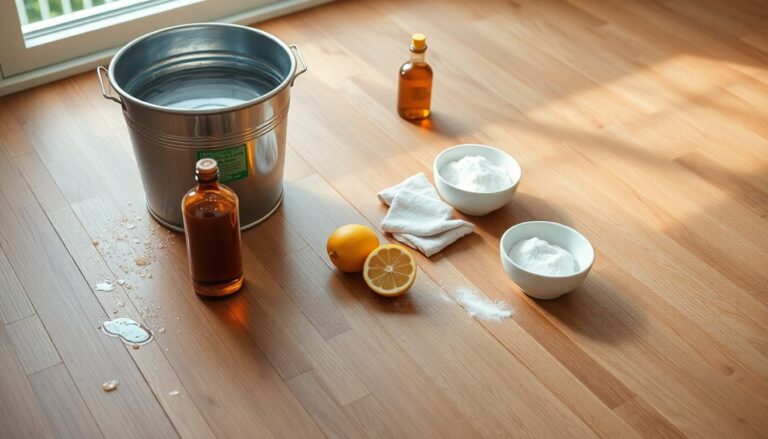
The sight of a floor that looks clean but feels slightly sticky is familiar to many homeowners and renters. Small mistakes in cleaning can leave a thin residue that attracts dust and footprints, creating the impression that the surface is never truly clean. This guide, originally published
in second home Magazine on 11/04/2026 14:53, explains why a greasy film forms and presents a reliable, repeatable routine to degrease and rinse effectively so your floors regain a smooth, low-maintenance finish. Understanding the root causes makes it easier to choose the right products and tools for lasting results.
Many people misinterpret a sticky floor as a need for more soap, but overuse of cleaning agents often creates the opposite problem. A combination of improper
dilution, incomplete rinsing, and incompatible products leaves behind a thin layer that acts like a magnet for dirt. In this article you will find practical steps and safety tips, plus the difference between using an alkaline degreaser and a gentle neutral cleaner. Throughout the text, key terms such as alkaline cleaner and emulsifier are highlighted, and definitions explain the technical concepts in plain language.
Why floors develop a greasy film
Greasy films usually stem from leftover cleaning agents, soil accumulation, or products designed to shine rather than clean. When a cleaner is too concentrated or not rinsed away, surfactants and waxes can remain on the surface. Hard water minerals also interact with soaps and leave a dull, tacky layer. In addition, oil-based polishes, cooking oil traces tracked in from shoes, and aerosol residues can all contribute to a buildup. Recognizing these causes helps explain why simple mopping with more soap rarely fixes the issue: the problem is residue buildup, not lack of detergent, and removal requires the right chemistry and a thorough rinse.
Step-by-step method to degrease and rinse effectively
Start with a clear plan: remove loose debris, choose an appropriate cleaning agent, agitate to lift the film, and rinse until no residue remains. The core principle is emulsification — using a product that converts oily films into tiny droplets that water can carry away. For most situations an alkaline degreaser diluted according to the label works well, but gentler options exist for delicate surfaces. The sequence matters: preparation, cleaning, repeated rinsing, and a final dry wipe or buff will prevent streaks and re-soiling.
Preparation and testing
Before treating an entire room, test your chosen solution in an inconspicuous area to check for color change or finish damage. Remove loose dirt with a broom or vacuum, then work in small sections. Use a mop with a washable microfiber head or a soft-bristled brush to avoid scratching. If you opt for a homemade solution, mix warm water with a small amount of dish detergent to create an emulsifying effect, but remember that dish soap must be rinsed thoroughly because it can also leave a film when overused. Proper dilution and a patch test are simple safeguards.
Cleaning, rinsing, and finishing
Apply the degreaser and allow it to sit briefly only if the product instructions permit; extended dwell time may harm some finishes. Agitate gently to lift the film into suspension, then remove the dirty solution. The critical step is multiple rinses with clean water: use a fresh mop or a wet-vacuum to extract the rinse water rather than simply spreading it. Repeat rinsing until test swatches show no tackiness. Finish by drying or buffing with a clean microfiber cloth to remove streaks and restore slip-free smoothness. For stubborn buildup, a second pass with a purpose-made floor stripper may be necessary.
Practical tips for different floor types
Not all floors tolerate the same treatments. Ceramic and porcelain tiles can usually withstand stronger alkaline cleaners and hot water, but pay attention to grout. Vinyl and linoleum respond well to mild degreasers and thorough rinsing; avoid solvents that can dull the finish. Sealed hardwood needs gentle, pH-neutral products to protect the sealant, while laminate floors require minimal water and quick drying to prevent swelling. When in doubt, consult the floor manufacturer or a professional. Small modifications—lower dilution, shorter dwell times, or alternative tools—can make the method safe for delicate surfaces.
To sum up, greasy floors are almost always the result of leftover product or oils that were not fully removed. The solution is a methodical approach: prepare and test, use an appropriate emulsifying cleaner, agitate to lift the film, and perform repeated rinses until the surface feels smooth. With these steps and attention to floor type, you can eliminate a persistent sticky film and keep your floors looking and feeling cleaner for longer. For reference, this guidance first appeared in Second Home Magazine on 11/04/2026 14:53.