

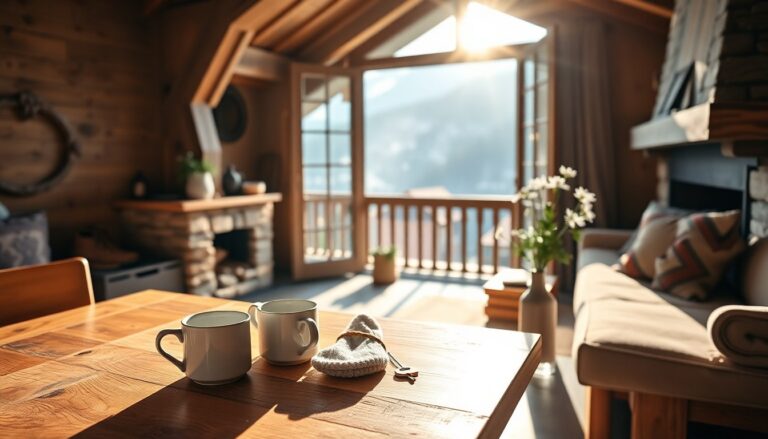
The Dolomites invite a different kind of holiday rhythm, and renting an apartment in Ortisei often delivers more freedom than a hotel stay. Staying in an apartment gives you a private space with a kitchen, bathroom and living area where you control meal times and daily routines. In Ortisei, in the
heart of Val Gardena, accommodation ranges from family-run garni and small B&Bs to full-service residences, chalets and independent flats. Examples include properties such as Pensione Talblick, Residence Saskia, Apartments Villa Astrid, Residence Fever, Apartments Aurelia, Apartments Plan de Mureda and Apartments Goller, which illustrate the local mix of options.
This article is designed to help you compare choices and make an informed booking. You will find
practical checks to perform before confirming a reservation, advice on which services to prioritise, and simple strategies to extract better value. Throughout the text I highlight key concepts with important keywords and clarify terms with brief definitions, so you can scan for essentials and act quickly when planning your trip. The goal is to streamline your decision-making whether you travel with family, friends or as a couple.
Why an apartment often makes sense in Ortisei
Many travellers pick an apartment because it offers practical advantages: flexible schedules, private common areas and the ability to self-cater. For families, an apartment minimizes disruptive meal schedules and provides space for children to play; for groups of friends, shared living rooms and kitchens reduce overall cost. Renting an apartment can also be more economical for extended stays compared with half‑board or full‑board hotels. If privacy and autonomy rank high on your list, an apartment in Ortisei will typically satisfy those needs while still placing you within easy reach of village life and mountain access in Val Gardena.
Types of accommodation and what they mean
The local offer includes several distinct formulas, each suited to different priorities. A garni usually denotes a small, family-run property that provides breakfast and local tips; an apartment is a self-contained unit with a kitchen and living space; a chalet implies a more private, often rustic house with separate rooms and exclusive amenities. Knowing these distinctions helps match expectations: choose a garni if you value daily interaction and breakfast service, an apartment if independence matters, and a chalet if you want extra seclusion or luxury.
Key facilities to look for
When assessing listings, check for practical features that affect comfort and logistics. Essential items include reliable Wi‑Fi, reserved parking or information on shuttle services, and a secure ski storage area for winter travellers. For families, ask about baby equipment such as cots and highchairs; pet owners should verify pet policies and possible surcharges. Spa access, on‑site laundry and lift proximity are additional conveniences that may justify a higher rate. Listing descriptions and host replies should explicitly confirm these amenities—if details are missing, request clarifications before you book.
What to check about location and access
Location shapes the type of holiday you will have: being near the slopes or the village centre changes how you plan days. Confirm distances to ski lifts, trailheads and essential services such as supermarkets and equipment rental. Ask whether the property has dedicated parking or whether street parking is common; in winter, check if the approach road is regularly cleared and whether shuttles run in high season. Accurate travel-time estimates prevent wasted hours and ensure smoother transfers, especially when arriving with luggage or children.
How to compare offers and secure the best value
Use a methodical approach to compare proposals: save shortlisted listings, read recent guest reviews and request up‑to‑date photos if the gallery looks dated. Send a non‑binding inquiry to each host asking for a full quote that includes cleaning fees, any pet charges and the local tourist tax so comparisons are apples‑to‑apples. Booking early for peak periods increases choice and often secures better rates, while checking for long‑stay discounts can reduce nightly costs. Finally, communicate special needs—late arrival, dietary restrictions or accessibility requirements—before you arrive; a short message to the host can avoid misunderstandings and improve your experience.