

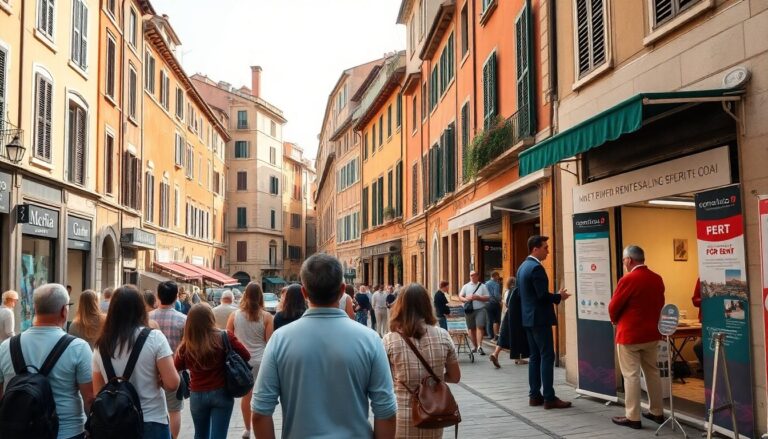
The landscape of short-term rental taxation in Italy has recently undergone significant transformations. These changes reflect the government’s efforts to balance economic pressures with the demands of the tourism industry. Rising rental costs and challenges posed by mass tourism have generated mixed reactions from
property owners and political factions.
The initial proposal aimed to increase the flat tax rate, known as cedolare secca, from 21% to 26% for all short-term rentals. This increase would have impacted both private landlords and business entities, seeking to create a more equitable rental market. However, subsequent revisions targeted only those utilizing digital platforms like Airbnb and Booking.com, a decision that faced considerable opposition.
Political responses to tax changes
The political ramifications of these tax reforms have been pronounced, particularly among various parties. Forza Italia has voiced strong dissatisfaction with the new regulations. The final compromise indicates that the tax rate for primary residences rented out remains at 21%, while a 26% rate applies to second homes. Entrepreneurial tax implications will commence only after the rental of a third property.
Diverging opinions among stakeholders
Reactions from industry
associations vary significantly. Federalberghi, representing hotel interests, has generally welcomed the updates. In contrast, the Unione Piccoli Proprietari Italiani (UPPI) and the Associazione Italiana Gestori Affitti Brevi (AIGAB) have raised concerns regarding the implications for small landlords. The president of Confedilizia has criticized the lack of foresight in these decisions, cautioning that they may inadvertently disadvantage smaller property owners while failing to promote long-term rentals.
Overview of the new tax framework
The current budget law, still under consideration, comprises a total of 137 articles and may see further adjustments. Ongoing discussions within the Ministry of Economy aim to finalize details that could significantly impact the rental market. The legislative landscape is charged, with many leaders denouncing insufficient internal communication regarding these critical fiscal measures.
The adjustments to the cedolare secca tax represent a government effort to balance support for property owners with the needs of the rental market. While some homeowners may find relief in the new regulations, the long-term effects on the rental sector remain uncertain. The challenge lies in creating an environment that supports property owners without sacrificing the quality of life in popular tourist destinations.
Implications for future legislation
As the government prepares for the finalization of the budget law, stakeholders will closely monitor the implications of these measures. The delicate balance between taxation and rental market dynamics will be crucial in shaping future policies. Whether these changes will foster a more favorable rental landscape or lead to further complications remains to be seen.
The recent tax adjustments on short-term rentals in Italy reflect broader economic challenges and the ongoing quest for an equitable rental market. As discussions continue and the law evolves, property owners, tenants, and policymakers will need to navigate this shifting terrain with care.