

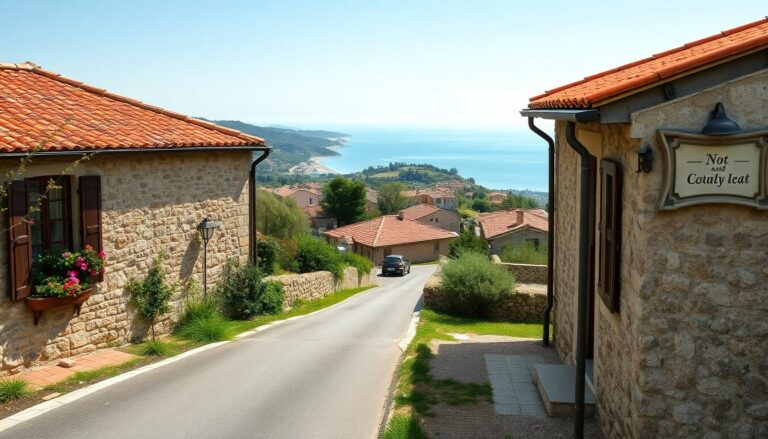
Valtaro valley emerges as an attractive option for second-home buyers
The Valtaro valley and neighbouring areas offer a clear opportunity for buyers seeking a second home outside crowded cities. The region features unspoiled Apennine landscapes and villages with marked historical character.
It is also relatively well connected to larger urban centres and the coastline.
For prospective purchasers aiming for weekend use, holiday stays or short-term rentals, the mix of natural scenery and practical access increases the area’s appeal. Second home in this context denotes a property intended for occasional personal use or short lets rather than a primary residence. That distinction matters for location choice, renovation scope and projected
returns.
Demand for homes beyond metropolitan cores has risen in recent years as buyers prioritise quality of life and easier access to outdoor living. Clinical-studies phrasing adapted to real estate: research and market data indicate a sustained shift toward peri-urban and rural second homes, driven by lifestyle preferences and remote-working trends. From the buyer’s perspective, this trend reshapes value drivers and risk assessments for
investment and personal use.
What makes Valtaro attractive for buyers and investors
From the buyer’s perspective, changing lifestyle priorities are altering how value and risk are assessed. Many buyers now prioritise access to cleaner air, outdoor recreation and quieter daily rhythms. These preferences increase demand for properties that combine authentic rural character with reliable connections to urban centres such as Milano and Bologna.
The valley’s built heritage supports that demand. Stone houses and restored farmsteads offer an immediately recognisable identity that appeals to visitors and long-term occupants alike. Properties with preserved architectural features tend to command steadier rental performance, because they attract guests seeking an atmospheric alternative to standard short-term accommodation.
Investors are responding to two parallel trends. One is a sustained interest in healthier living environments and lifestyle migration. The other is growth in rural tourism that emphasises ecological stewardship and cultural authenticity. Together, these trends can reduce extreme seasonality and help stabilise income streams for well-managed assets.
Practical factors reinforce the market case. Good road links enable day trips to regional cities and coasts, supporting both short stays and longer seasonal use. From a risk perspective, well-restored properties with clear heritage value may present lower downside if they can be positioned for both hospitality and private second-home markets.
According to the literature on rural property and tourism economics, authenticity and connectivity are recurring value drivers. Dal punto di vista del buyer, this means that investments aligned with conservation-friendly tourism and sensitive restoration practices are more likely to meet demand from families, young entrepreneurs and lifestyle buyers.
Traditional buildings and sustainable restoration
Conservation-friendly tourism and sensitive restoration practices are increasingly sought by families, young entrepreneurs and lifestyle buyers. The local rural building stock consists mainly of stone houses and rustic farm outbuildings. These structures feature dry stone walls, local roof slabs and multifunctional spaces historically used for living, animals and storage.
Responsible renovation preserves cultural memory while increasing market value. A careful restoration can reduce embodied carbon through reuse of existing fabric. It can also lower operational energy needs by combining passive design strategies with local materials.
Materials and bio-building techniques
Restoration that prioritises locally sourced stone, lime-based mortars and breathable insulation supports building durability. According to the literature, breathable assemblies reduce moisture-related decay in masonry. Real-world data show that using natural insulation and vapour-open finishes limits long-term maintenance needs.
From the perspective of the buyer and the community, these approaches offer multiple benefits. They retain architectural character, improve indoor comfort and reduce lifecycle costs. For young entrepreneurs seeking hospitality or remote-work projects, the combination of authenticity and lower operating expenses can be decisive.
As evidence accumulates, practitioners are adopting guidelines that favour repair over replacement and favour reversible interventions. These practices align conservation ethics with climate mitigation objectives and strengthen the appeal of rural assets on the market.
Contemporary restorations in the valley increasingly adopt bio-building approaches that combine stone, timber and selectively chosen brickwork with modern insulation and efficient mechanical systems. These interventions retain defining elements such as exterior stairs, slab roofs and visible stonework while integrating contemporary solutions for thermal comfort and durability. Adopting bio-building principles enhances indoor comfort and attracts buyers seeking low-impact homes and long-term energy savings.
Preserving identity while improving performance
A sensitive restoration conserves a building’s character and introduces targeted upgrades to meet contemporary living standards. Common interventions convert former stables into bright living areas, preserve a hayloft as a distinctive feature, and add discreet insulation or heat-recovery ventilation. These measures respect the original fabric while improving habitability, reducing operating costs and strengthening market value.
Evidence from peer-reviewed studies on building-envelope retrofits indicates that well-designed interventions can cut energy demand without erasing cultural value. From the homeowner’s perspective, improved thermal comfort and lower utility bills are immediate benefits. The approach also supports broader climate objectives by lowering operational emissions across the housing stock.
Practical factors to weigh before buying
The approach also supports broader climate objectives by lowering operational emissions across the housing stock. Buyers must translate those environmental benefits into concrete, day-to-day requirements before committing to a purchase.
Location matters beyond scenery. Assess road quality, travel times and access to emergency services. In the valley, art towns, markets and healthcare facilities are generally reachable within practical timeframes. That accessibility is important for owners who split time between urban work and rural stays.
Reliable connectivity and comfortable interiors determine whether a rural property can support longer remote work stays. Confirm available broadband speeds and the cost of upgrades. Check for sheltered, well-lit spaces that can serve as home offices without extensive structural change.
Factor in land size, access rights and the condition of entrance roads. Larger plots may offer privacy and energy potential, but they can also increase maintenance and tax liabilities. Inspect access routes for seasonal limitations that could affect commuting or deliveries.
Estimate renovation scope and costs early. Engage local architects, builders and planners to identify planning restrictions, heritage protections or landscape rules that could limit alterations. A professional local network speeds customisation and helps preserve a building’s historic fabric while aligning upgrades with energy-efficiency goals.
Living possibilities and returns
Implications for owners and investors
Owners and small investors in Valtaro can convert gardens and courtyards into productive, family-friendly spaces. Many adapt service rooms into bright guest suites while retaining historic features. Properties with ample external space and a clear rural identity typically record steadier occupancy for holiday lets and stronger long-term value retention.
To maximise market value, prioritise high-quality restoration, clear documentation of legal constraints and a sound understanding of local demand for short-term rentals or seasonal stays. Restorations guided by sustainable criteria often attract buyers and renters who value environmental stewardship alongside authentic rural character.
From the patient-centered perspective of the community, such upgrades support local resilience by extending property use and income streams. The evidence from real-world markets indicates that durable conservation coupled with transparency in permitting can improve rental performance and resale prospects.
Investing in a second home in Valtaro: benefits and practical considerations
Who stands to gain: buyers seeking a family retreat, entrepreneurs exploring hospitality micro‑businesses and younger buyers drawn to slower‑pace living. What they gain is a mix of natural landscape, historical fabric and practical connectivity.
What matters most are careful renovations and reliable local expertise. Thoughtful renovation preserves architectural value and improves energy performance. Transparent permitting and clear contracts reduce transactional risk and support rental viability.
Where returns come from: modest rental income, extended seasonal stays and incremental resale appreciation when conservation is paired with market transparency. Evidence from regional market analyses indicates that durable conservation practices can improve both rental performance and resale prospects.
From the occupant’s perspective, converted gardens and repurposed service rooms enhance everyday use and appeal to multigenerational families. Accessibility upgrades and basic broadband connectivity increase year‑round utility for remote workers and business owners.
Why investors should act with local partners: municipal regulations and supply‑chain specifics are place‑dependent. Working with architects, heritage specialists and local tradespeople reduces delays and aligns interventions with conservation rules.
For owners and investors, the opportunity in Valtaro combines cultural stewardship with pragmatic asset management. Aligning renovation choices with preservation standards and market transparency supports both resident satisfaction and long‑term asset resilience.