

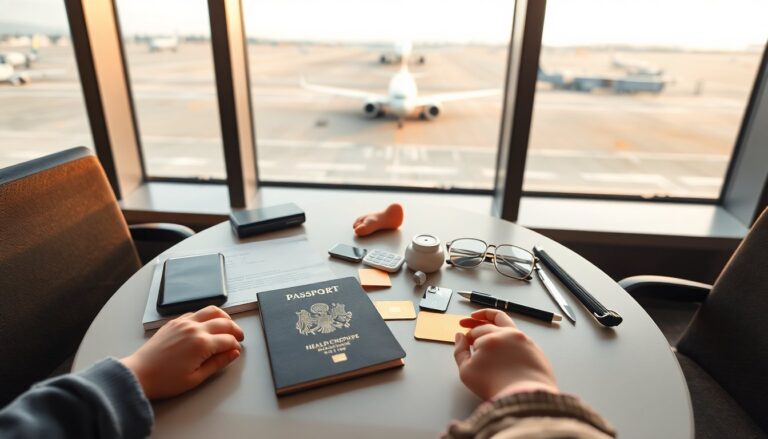
Traveling to Thailand with a child aged 0–2 is perfectly feasible if you prepare deliberately. Parents can benefit from simple checks on documents, seasonal timing, and airport procedures before departure, and from choosing payment and insurance tools that reduce stress abroad. This introduction outlines the main
elements to plan: weather windows, entry formalities, on‑board comfort, health precautions and financial options such as a TF Bank MasterCard Gold that includes travel insurance.
Many Practical tips here are reusable for other long‑haul, intercontinental trips. Expect to adapt daily rhythms for the baby, prioritize hydration and sun protection, and build in frequent pauses when sightseeing. Keep a consolidated carry‑on with spare clothes, feeding supplies and
a few quiet toys; use a reliable credit card or travel insurance product to cover unexpected medical or travel disruptions. Throughout the article I use definitions and concrete examples to help you turn planning into action.
Best time to travel and managing climate
The ideal travel window to minimize heat and humidity is between December and February, when Thailand is generally dry and milder. Avoid the hottest stretch from March
to May and the rainy season between June and September, which brings high humidity and sudden downpours that can make infants uncomfortable. Babies are particularly sensitive to overheating and dehydration, so plan mornings and late afternoons for outdoor activities, seek shade often, and offer regular fluids even if the child feeds frequently. Packing should include light, breathable layers, a sun hat, and a small, portable shade for stroller use.
Entry requirements and digital arrival formalities
Passports must be valid for at least six months from the date of entry for every traveller, including infants. For Italian citizens, no visa is required for tourist stays up to 60 days. A new digital step is mandatory: from 1 May 2026 every visitor must complete the Thailand Digital Arrival Card (TDAC) online within 72 hours before arrival. The system issues a QR code that you show at immigration; include children on the same TDAC submission to avoid delays.
Practical document tips
Keep the baby’s passport at hand during security and immigration to speed processing, and store an electronic copy of the TDAC and passport image on your phone. Confirm the documentation rules with your airline and any transit countries well in advance via the carrier’s “manage booking” page. Printable confirmations can save time at busy airports. Using digital forms ahead of arrival often shortens queues and reduces stress during transfer and landing.
Flights, airport handling and health protection
For long flights, prefer overnight departures when possible to help the infant sleep and to ease jet lag—Thailand is on GMT+7, six hours ahead of Italy (five hours during Italian daylight saving time). Reserve seats together and, if available, book a bassinet early: these are limited and have size and weight restrictions. Strollers are commonly checked at the gate free of charge and returned at the aircraft door or at baggage claim when marked correctly. Use priority lanes for families where offered and pack a well‑organized carry‑on with frequent necessities.
Health, costs and payment options
Public and private hospitals in major Thai cities generally offer good care, but you should secure a comprehensive travel policy before departure; organizations like Viaggiare Sicuri recommend adequate international coverage. Financially, many hotels do not charge for infants under two, and airlines often apply only airport taxes for babies, though booking platforms such as 12go may quote full fares if you add the child in the reservation. Consider a payment card that includes free travel insurance: the TF Bank MasterCard Gold can be applied for online in about 3 minutes, has no annual fee, and provides a travel insurance package plus an interest‑free purchase period of up to 55 days. The card supports mobile wallets like Apple Pay and Google Pay, and offers installment flexibility for unexpected costs.
Why contingencies matter: a recent repatriation example
Real disruptions happen. On 13 March 2026, the story of a stranded traveller from Lodi illustrates the need for backup plans. After days of flight cancellations due to regional conflict, he secured Cathay Pacific tickets departing Bangkok on 19 March at 16:55 with a Hong Kong stop and arrival at Milan Malpensa at 07:40 on 20 March. He paid €1420 and faced a long journey—about 19 hours of flight time and an effective recovery of six hours of time zone difference. Earlier options, including a Qatar Airways flight on 15 March, had been canceled; many travellers encountered chaotic airport scenes, surging fares (sometimes near €2000) and unreliable booking confirmations.
That episode underlines practical steps: monitor airline and government updates (for Italians, the Farnesina provides advice), buy flexible or refundable tickets when possible, and ensure your travel insurance and payment methods cover emergency repatriation. Where bookings are bought through informal channels or messaging apps, expect a higher risk of denial at the gate—always keep official confirmations and printed tickets if possible.
Final checklist and recommendations
Before you go: fill the TDAC within 72 hours, check passport validity, book bassinets and seats early, pack a baby‑ready carry‑on, and purchase a robust travel insurance policy. Consider a credit solution like the TF Bank MasterCard Gold for its included insurance and fee structure. Above all, build in time buffers and flexible plans—this reduces pressure and keeps focus on the baby’s needs. If you want customized advice about flights, gear, or insurance choices for your specific itinerary, I can help you map a tailored checklist.