

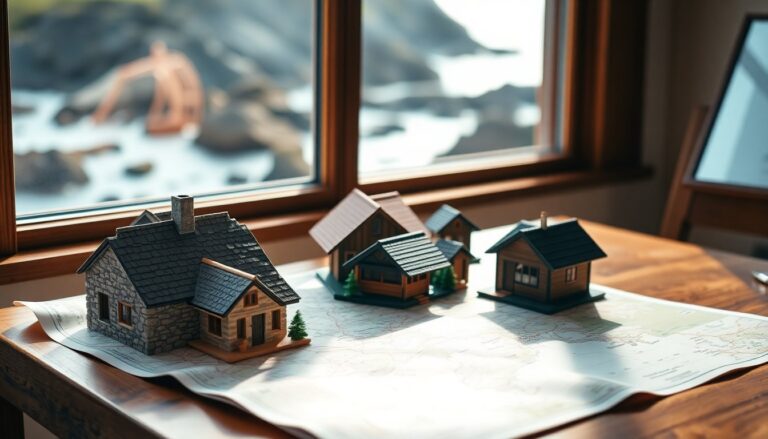
Scotland offers a wide range of accommodation choices that suit different needs, from rustic seafront cottages to mountain lodges and luxury hotels. This guide outlines how to compare accommodation types, estimate costs and select the most suitable base whether you want occasional holidays, an investment
property or a weekend retreat. The goal is to provide clear, actionable steps so you can move from research to booking with confidence.
Throughout the article you will find practical advice on planning budgets, dealing with seasonality and understanding extra charges. Examples include family stays, pet-friendly options and unusual experiences such as castle or boat stays. Where relevant, we highlight local considerations that affect availability and pricing.
Overview of accommodation types
Accommodation in Scotland typically falls into a few recognizable groups: B&Bs and guest houses, self-catering properties such as cottages and lodges, and hotels and luxury retreats. Each category matches different expectations. For example, B&B denotes a small-scale establishment often run by owners who provide breakfast and local recommendations, while self-catering refers to properties equipped with kitchens for independent stays. Choosing among these depends on the level of service you want, your budget and whether you favour privacy or more social interaction.
Bed and breakfasts versus self-catering
B&Bs are attractive if you value personal service and a built-in local perspective: hosts frequently advise on nearby walks, dining and seasonal events. In contrast, self-catering cottages give you flexibility to cook for yourself, host a group and manage your own schedule. This category is especially worth considering if you plan repeated visits or want to bring pets, as many cottages provide outdoor space and fewer restrictions.
Hotels, luxury stays and unusual options
Hotels and high-end lodges target travellers seeking amenities like spas, on-site dining and concierge services. For special occasions or a memorable getaway, Scotland also offers unique stays such as castles, houseboats and treehouses. These options often combine historical atmosphere or novelty with modern comforts, but they may include separate fees for experiences like falconry, equestrian activities or private dining.
Budgeting, seasonality and reservation strategy
Price levels vary with category, location and time of year. Peak season typically drives up demand and rates, so early booking increases choice and can produce savings. Conversely, the off-peak months usually present better deals and more flexible availability. Consider midweek stays as a cost-saving tactic if your schedule allows. Also check whether local councils apply a visitor levy or similar surcharge, because those costs affect the total expense of ownership or rental.
When comparing properties, include items such as cleaning fees, pet supplements, parking and any premium amenities like a hot tub. For self-catering properties, factors such as property size and included utilities will influence nightly rates and long-term running costs if you plan to use the place regularly.
Practical booking tips and what to verify
Before committing, review the cancellation policy and clarify potential additional charges for cleaning, pets or extra guests. Booking directly with a property owner or manager can sometimes secure tailored offers or discounts for extended stays. Verify up-to-date photos and recent reviews: guest feedback is often the most reliable indicator of how a property performs in practice.
Essential questions to ask
Ask whether high-speed Wi-Fi and fresh linen are provided, and confirm check-in procedures and out-of-hours contacts. If bringing a pet, check for fenced outdoor areas, local dog rules and whether beaches or trails nearby permit dogs year-round. For investment-minded buyers, request occupancy data or rental potential if the property will be let out when not in personal use.
Special considerations: pets, luxury services and location examples
Many Scottish properties are pet-friendly, offering welcome kits, dog beds and enclosed gardens. Confirm any extra charges and rules about pets in communal spaces. On the other end of the spectrum, luxury hotels often include spa access, chef-driven restaurants and panoramic views—amenities that justify higher nightly rates and attract guests seeking a pampered stay.
Using your second home as an activity hub
If outdoor pursuits are central to your plans, choose a base near trails, rivers or mountains to maximize convenience. For instance, the Perthshire town of Pitlochry demonstrates the appeal of a location that balances access and scenery: nearby walks range
from gentle riverside paths to the climb of Ben Vrackie. Placing your property close to such routes makes short breaks and spontaneous trips much easier.
Final considerations
Deciding on a second home in Scotland is ultimately about aligning place, price and use. Weigh your priorities—relaxation, outdoor activities, rental income or family gatherings—and match them to the correct accommodation type. With careful budget planning, attention to seasonal patterns and a checklist of booking questions, you can choose a property that becomes a reliable retreat or a sound investment for years to come.