

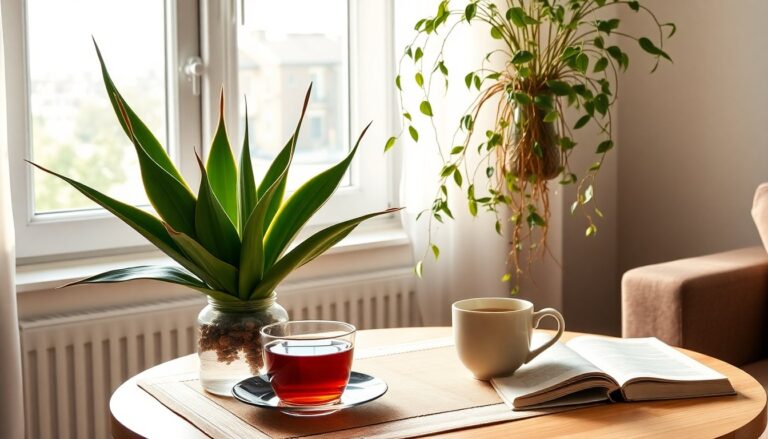
The presence of green plants in living spaces often prompts two reactions at once: delight at the color and a curious comment about luck. In many homes a passing remark such as “that plant brings bad luck” is common, and these opinions are shaped by a mix of visual cues, cultural stories
and practical concerns. When a plant has sharp leaves, a trailing habit or an unpleasant smell, those physical traits can turn into symbolic signals. The word superstition gets attached to ordinary pots and cuttings, even when there is no scientific basis; still, some worries come from real issues like toxicity or rapid decline that signal neglect.
Separating folklore from fact helps keep the house green without anxiety. Garden
folklore and interior design beliefs both influence how we place plants: for example, Feng Shui readings prefer balanced shapes, while local customs may interpret the same plant very differently. Practical questions — light, watering, pet safety — often get reframed as moral or symbolic warnings. A healthy, well-sited plant generally signals vitality; a neglected pot can feel like a visual sign of stagnation. This article explains why particular
species attract suspicion, which ones present real hazards and how to make choices based on care needs rather than fear.
Origins of plant superstitions and perceptions
Across centuries people have created symbolic languages around everyday items, and plants are no exception. Characteristics such as thorns, invasive roots or leaves that wilt quickly became shorthand in folk narratives for conflict, suffocation or loss. In addition, different cultures assign different symbolic meanings to the same species: what is protective in one community can be ominous in another. Interpretations are also informed by function — a plant that is clearly toxic or one that defiantly overruns a pot will prompt caution. Understanding this context lets you treat these beliefs as cultural artifacts while still addressing tangible issues like placement and safety to protect household members and pets.
Plants often named in folk lists
Spiny succulents and cactus
Succulents with spines are frequently singled out in legends because their pointed form lends itself to metaphors about tension and disputes. The physical sharpness becomes an easy image for people to connect to interpersonal friction, and that perception is why some avoid these species in bedrooms or entryways. From a horticultural standpoint, however, many cactus and other succulents are hardy, require low maintenance and perform well in bright, dry spots. The real practical concern is placement: keep spiky species out of high-traffic areas, children’s reach and pet pathways. When chosen and sited thoughtfully, the cactus can be a resilient, low-care addition rather than a talisman of misfortune.
Toxic ornamentals such as oleander and certain house trees
Some plants earn a negative reputation because they are genuinely poisonous to humans or animals. Oleander, for instance, contains compounds that can be dangerous if ingested, and that botanical fact has long fed stories associating the plant with danger or sorrow. Similarly, species with vigorous root systems or rapidly dropping leaves — like certain large indoor trees or aggressive climbers — are sometimes linked to domestic unrest in tales. These concerns blend a botanical truth with cultural interpretation: the sensible response is to check a plant’s safety profile and choose alternatives or place risky plants in outdoor or inaccessible locations when children or pets are present.
Practical guidance for choosing houseplants without anxiety
Make plant decisions based on light, space, maintenance time and household composition rather than on hearsay. Before buying, ask the nursery for the exact name and care needs so you can match a species to your environment; check soil condition and look for pests. If a plant triggers a symbolic unease but otherwise suits your home, consider placing it where it feels less intrusive — a balcony, a hallway or a dedicated plant shelf — instead of removing it outright. Regular care transforms perception: a thriving, well-kept plant sends a message of vitality, while a dying specimen can reinforce negative associations. With a mix of awareness about toxic species and basic care, you can decorate with green confidently and calmly.