

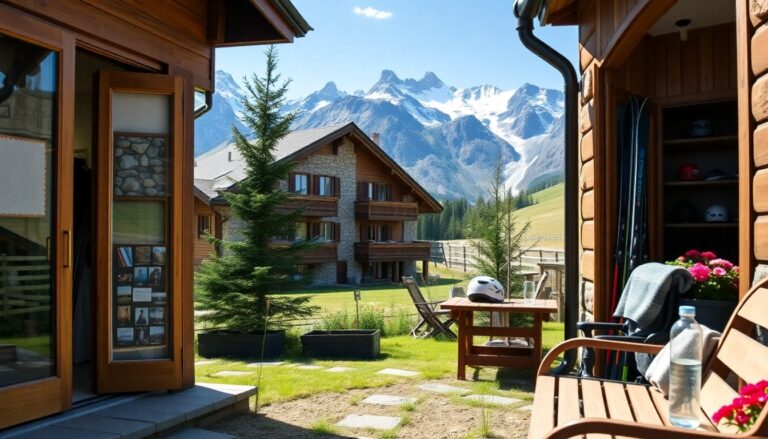
Mountain apartments in Cogolo di Peio combine private living with shared services
The mountain apartments in Cogolo di Peio offer private accommodation alongside practical communal services for guests and owners. Located beneath the Ortles‑Cevedale massifs, the units merge traditional alpine character
with contemporary conveniences. They serve as a base for families, groups and seasonal visitors seeking outdoor access and comfort.
The property typically includes purpose-built shared facilities. A ski room with boot warmers is provided for winter sports users. Secure bicycle storage and covered parking support summer exploration and multi-season use.
Design and amenities prioritise usability and low-maintenance living. Interior layouts favour
functional circulation and durable finishes suited to mountain conditions. Owners and managers commonly emphasise easy turnover and guest readiness.
Anyone who has managed seasonal accommodation knows that practical shared infrastructure reduces operational friction and enhances guest satisfaction. The combination of private units and communal facilities aims to balance independence with efficient service delivery.
The private units’ practical design supports both second-home use
and short-term rentals. The separate bedrooms, living area with dining table and fully equipped kitchen, and flexible sleeping arrangements make the apartments adaptable to different guest profiles. Heating is individually controlled, allowing occupants to set temperatures for comfort and energy management. Sofa beds and modern appliances increase versatility and appeal to investors seeking reliable occupancy.
Location and access
The residences sit in the mountain village and are typically within easy reach of local services, lifts and trailheads. Road access and public transport links are generally available, and many developments include on-site or nearby parking. Trail access and proximity to winter facilities make the properties functional year-round.
Anyone who has managed holiday accommodation knows that convenience matters as much as the unit itself. Growth data tells a different story: properties that combine practical layouts with straightforward access tend to attract steadier bookings. These apartments aim to deliver on both counts while preserving the setting’s alpine character.
Interior comforts and equipment
These apartments balance functional fittings with modest alpine character. Units typically include well-sized living spaces and fitted kitchens that support extended stays and short lets.
Proximity to the village centre reduces the need for a car. Local shops, cafés and basic services remain within easy walking distance. Public transport options such as summer shuttles and the winter skibus stop nearby, while many properties come with a guest card—for example the Trentino or Val di Sole Guest Card—that offers free or discounted access to local buses and lifts.
Easy access to nearby lifts and cycle paths simplifies planning for both day trips and multi-day excursions. Anyone who has bought a second home knows that simple mobility options often determine whether a property is used frequently or left idle.
Anyone who has bought a second home knows that simple mobility options often determine whether a property is used frequently or left idle. This section outlines common utility arrangements and practical checks buyers and renters should prioritize before committing.
Heating and utilities
Owners and guests should verify how utilities are billed and managed. Clarify whether electricity, water and waste collection are included in the rental or billed separately. Ask for recent invoices when possible to estimate running costs.
Confirm the type of hot-water system and any restrictions on use during peak season. Many mountain properties impose limits or apply higher tariffs in winter. Request information on backup power or contingency plans in case of outages.
Internet connectivity is increasingly decisive for remote work and schooling. Request a documented speed test and the provider’s service history. If reliable broadband is crucial, demand a contractual guarantee or an installer report.
Metering and energy efficiency affect ongoing costs and resale value. Check for individual meters, recent insulation upgrades, and the presence of energy labels or certificates. Small interventions can reduce the burn rate on utilities over time.
Finally, confirm responsibilities for maintenance and emergency repairs. Establish clear points of contact for service calls and obtain written details on response times and cost allocation for urgent fixes.
Establishing clear points of contact for service calls helps avoid disputes over repairs and costs. Owners should obtain written details on response times and cost allocation for urgent fixes. Heating in alpine properties is typically autonomous, so occupants can set indoor temperatures independently. This arrangement reduces communal disputes but shifts responsibility for fuel and electricity management to the occupant or owner. I’ve seen too many owners underestimate seasonal energy needs, increasing both bills and tenant complaints.
Utilities such as electricity, water and internet may be included in the rental price or billed separately. Lease agreements should state which model applies and how meter readings or shared costs are calculated. Practical amenities often appear in shared areas. A washing machine, drying area and ironing facilities are common. These features matter for guests who use technical outdoor clothing and need reliable care for equipment.
Communal facilities and outdoor spaces
These communal facilities matter for guests who use technical outdoor clothing and require reliable care for equipment. I’ve seen too many developments promise amenities they do not maintain. Shared areas such as a heated ski storage room, locked bike storage and a covered garage can reduce logistical friction and improve guest satisfaction. A communal laundry and ironing room lowers the need to pack excess clothing and shortens turnover times between bookings. Outdoor gardens with tables, chairs and barbecue facilities extend usable living space in warmer months and offer a secure play area for children. Owners and managers should confirm maintenance schedules and access rules, because shared spaces can significantly affect a unit’s market appeal and operating costs.
Parking and accessibility
Accessible parking and clear arrival routes influence booking decisions, especially for families and entrepreneurs transporting gear. On-site parking, covered spaces and level access to entrances matter equally for short-stay guests and long-term residents. Confirm whether parking is assigned or first-come, and check any height or size limits for covered garages.
Accessibility extends beyond vehicles. Step-free access, ramps and elevator availability determine usability for older guests and families with strollers. Owners should request written details on access points, gate hours and emergency entry procedures. Anyone who has managed a property knows that hidden access costs—extra keys, remote controls, or permit fees—erode margins and guest satisfaction.
Growth data tells a different story: properties that clearly advertise reliable parking and practical accessibility features tend to command higher occupancy and lower complaint rates. Verify these details before purchase or listing to protect revenue and reduce operational friction.
Buyers and renters should confirm parking and accessibility details before signing contracts. Parking arrangements vary by property and may include reserved spaces at no extra cost or paid parking options. Some developments offer covered parking for guests who need sheltered vehicle storage. Verification prevents unexpected operating costs and protects rental revenue.
The site markets itself as family-friendly and accessible to older visitors. Specific accessibility features, such as step-free access, grab rails or elevator service, are not guaranteed for every unit. Prospective purchasers must request unit-level confirmation from management or review inspection reports.
Shared services influence an apartment’s commercial value. The presence or absence of amenities, maintenance schedules and cost-sharing rules can affect net operating income and resale prospects. Review the condominium documentation closely, including bylaws, reserve funds and service agreements, to assess long-term obligations.
Practical costs to check include parking fees, service charges, and special assessments. Ask for recent statements of account and the condominium’s budget forecasts. I’ve seen too many developments underprice ongoing charges, and the growth data often tells a different story: small monthly fees can compound into material expenses for owners.
Practical information, costs and local activities
Confirm who bears utilities and common-area maintenance costs. Clarify waste collection, snow removal and seasonal services that matter to families and long-stay visitors. Local activities—trails, ski storage facilities, playgrounds and cultural venues—affect occupancy patterns and peak-season pricing.
Anyone who has managed a rental property knows that clear documentation reduces disputes. Obtain copies of the condominium declaration, rules, and recent meeting minutes. Check for pending litigation or planned capital works that could change fees or availability of services.
For investors focused on sustainability, calculate churn rate and expected LTV under current fee structures. Practical due diligence now limits surprises later and preserves both guest experience and asset value.
Factor in recurring and one‑off booking costs
Property managers and guests should account for predictable extras when finalising bookings. Typical charges include a one‑off final cleaning fee, often around €50. Optional linen and towel packages commonly cost about €14 per person per stay. Small pet supplements, when animals are permitted, are frequently near €30.
Security deposits and administrative fees may also apply. Those amounts are specified in each property’s booking terms and should be checked before payment. Short stays can incur a local tourist tax, which the accommodation collects on behalf of the municipality.
Summer bookings often include access to a Guest Card. That card can grant perks such as free local public transport and discounted lift access. Confirming card eligibility and included benefits avoids mismatched expectations on arrival.
Practical due diligence now limits surprises later and preserves both guest experience and asset value. I’ve seen too many startups fail to price ancillary costs correctly; property owners and operators should model churn effects and net revenue after these fees to assess true performance.
Location and operations
Properties sit within walking or short driving distance of regional outdoor infrastructure. Proximity to the Val di Sole cycle path and nearby lift systems supports summer hiking and mountain biking. In winter, linked ski domains include Pejo‑Skiarea, Campiglio‑Dolomiti di Brenta and Passo Tonale.
Operational timing and guest flow
Arrival and departure windows are normally coordinated with the property manager. Check‑in commonly begins in the early afternoon. Check‑out is usually by mid‑morning. Confirm the exact schedule with the host when booking to avoid overlap and reduce operational friction.
Business implications for property managers
Operational windows affect turnover costs and can change daily cleaning demands. I’ve seen too many startups fail to model these micro‑costs accurately. Growth data tells a different story: small scheduling shifts raise churn rate and compress net revenue per unit.
Owners and operators should fold timing, lift proximity and activity seasonality into unit profitability models. Use these inputs to refine LTV, CAC and burn‑rate projections. Anyone who has launched a product knows that real margins come from operational discipline and realistic assumptions.
For up‑to‑date availability and unit specifics, contact the managing office directly.