

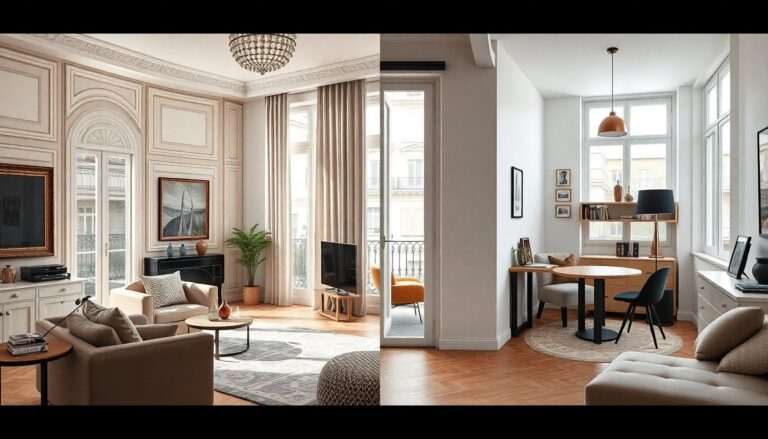
Thinking of buying or managing a Paris vacation rental? Don’t be fooled by a charming façade — profitability comes from reading the market, matching the property to the right guest, and running operations like a well-oiled machine. Below you’ll find practical signals, neighborhood advice, amenity and design moves
that actually improve returns, and concrete lessons drawn from two very different Paris flats: a gracious Art Déco apartment and a compact, design-forward studio that outperforms its size.
What this guide gives you
– A quick way to interpret pricing and stay patterns so you can set realistic rates.
– How to choose the neighborhood that fits your target guest.
– Guest-focused amenity and design
choices that generate better reviews and bookings.
– Booking and operational tactics that protect revenue and reduce headaches.
– Real-world takeaways from two Paris properties to copy or adapt.
Market fundamentals that drive revenue
Two metrics matter above all: average daily rate (ADR) and occupancy. Together they determine revenue and how exposed you are to seasonality and events.
- – Short stays dominate. In Paris, average visits
cluster around three nights. That boosts turnover — more cleanings, more check-ins, and more wear and tear.
- Location changes the math. Central arrondissements command top ADRs but carry higher purchase prices and stiff competition. Outer neighborhoods are cheaper to acquire and often produce steadier occupancy through longer stays.
- Seasonality isn’t hypothetical. Some months surge, others slump. Build forecasts around peaks and troughs, not just the yearly mean.
- Use reliable data. Pull platform analytics and local registries, and segment by stay length, lead time and season. Granular data reduces surprises and helps you price smarter.
Make your numbers believable
Start with an achievable nightly rate, then apply conservative occupancy scenarios. Subtract management fees, cleaning, platform commissions and taxes. Model low/medium/high cases and include stress tests — extra cleaning after heavy turnover, regulatory caps, or sudden fee increases. That way your projected net revenue and ROI are grounded, not hopeful.
Choose the neighborhood based on your guest
Let your target guest define location.
- – Central arrondissements: Ideal for short-break tourists and couples who will pay for charm and proximity. Expect higher ADRs — but also higher acquisition costs and tougher competition. Presentation and service must justify the premium.
- Outer, residential areas: Better for families, business travelers and long-stay guests. Lower entry price, more predictable bookings, and less sensitivity to tourist seasons.
- Transitional districts: These offer value-add opportunities through renovation and repositioning, but plan for permits, refurbishment costs and realistic timelines.
Remember: a listing next to a train hub can charge more per night but will face higher turnover and operational costs. A suburban flat near schools might trade a lower ADR for steadier, longer bookings.
Design, amenities and guest expectations
Different travelers prize different things. Get the basics right and you’ll win reviews and repeat bookings.
- – Business travelers: fast, reliable Wi‑Fi, easy self check-in, and convenient transport links.
- Families: space, safety features, parks nearby and practical conveniences (washing machine, good storage).
- Short-break tourists: central location, strong visuals in the listing, and nearby dining and sights.
Small, practical upgrades often beat flashy renovations. Better bedding, clear check-in instructions, effective lighting and faster internet convert browsers into bookers faster than an expensive overhaul.
Presentation and honesty
Great photos and an honest description set accurate expectations and reduce unpleasant surprises. Be explicit about bed layouts, noise levels and transport links. Guests who get what they expected leave better reviews.
Booking tactics and operations that protect revenue
– Watch competitors and set alerts. Use dynamic pricing to capture demand spikes and discount intelligently during slow periods.
– Be transparent about fees. Surprise charges for cleaning or services kill conversions and reviews faster than anything else.
– Use reviews as your operations checklist. If bedding, Wi‑Fi or check-in repeatedly appear in negative comments, fix them immediately.
– Standardize cleaning, key handovers and guest communication so quality doesn’t depend on memory or mood.
What this guide gives you
– A quick way to interpret pricing and stay patterns so you can set realistic rates.
– How to choose the neighborhood that fits your target guest.
– Guest-focused amenity and design choices that generate better reviews and bookings.
– Booking and operational tactics that protect revenue and reduce headaches.
– Real-world takeaways from two Paris properties to copy or adapt.0
What this guide gives you
– A quick way to interpret pricing and stay patterns so you can set realistic rates.
– How to choose the neighborhood that fits your target guest.
– Guest-focused amenity and design choices that generate better reviews and bookings.
– Booking and operational tactics that protect revenue and reduce headaches.
– Real-world takeaways from two Paris properties to copy or adapt.1
What this guide gives you
– A quick way to interpret pricing and stay patterns so you can set realistic rates.
– How to choose the neighborhood that fits your target guest.
– Guest-focused amenity and design choices that generate better reviews and bookings.
– Booking and operational tactics that protect revenue and reduce headaches.
– Real-world takeaways from two Paris properties to copy or adapt.2