

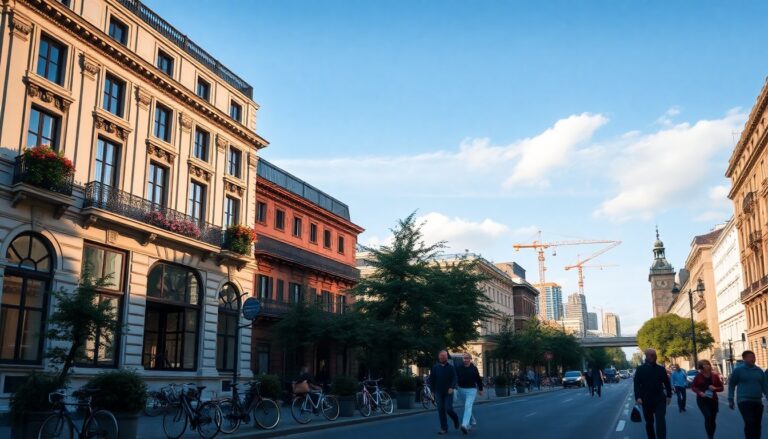
The real estate scene in Milan is undergoing a notable transformation. As the city evolves, various neighborhoods are experiencing different dynamics, leading to a complex but intriguing market for potential buyers and investors. Recent data indicates a general upward trend in property prices, averaging a rise of about 1% compared to the
previous year. This growth reflects an increasing demand, particularly for medium-sized residences ranging from 70 to 100 square meters.
In the bustling heart of the city, property prices can soar to around 1.2 million euros, positioning Milan as one of the priciest cities in Europe for real estate. However, this high demand in central locations contrasts with certain neighborhoods where prices are actually declining, presenting unique opportunities for savvy investors.
A closer examination shows that approximately 53% of property transactions occur within the city limits, with 32% in nearby municipalities and 15% in secondary areas.
Understanding the rental market and short-term trends
The short-term rental market in Milan is particularly vibrant, especially during major events like Design Week. During this time, rental prices can skyrocket, potentially reaching as high as 2,800 euros per week, marking a staggering 70% increase compared to standard
rates. This surge is driven by a growing demand for temporary accommodations, facilitated by various rental platforms that connect landlords and tenants seamlessly.
The average cost for a single room in Milan stands at approximately 732 euros, reflecting an increase from 620 euros previously. Areas surrounding universities are particularly sought after, leading to continued price hikes. Interestingly, the local government is exploring the possibility of raising the flat tax on short-term rentals, indicating a potential policy shift that could influence the market.
Transformations in urban living
Milan is also witnessing a notable change in its urban fabric, with former commercial spaces being reimagined as apartments catering to students and young professionals. This trend is fueled by the persistent demand for affordable housing options. Urban planner Elena Granata highlights this rapid change, noting that the concept of “Milan within 15 minutes” is currently at risk due to the rising costs of living. Investors are keenly aware of these shifts and are eager to capitalize on the potential returns from such properties.
Luxury real estate: a market on the rise
On a different note, the luxury real estate market in Milan continues to thrive, attracting both domestic and international investors. As the fashion and design capital, Milan offers a lifestyle that is hard to resist, and this allure translates into unique investment opportunities. Recent data from OMI and Nomisma suggests a steady recovery in high-end property transactions, particularly in prestigious districts like Brera, Porta Venezia, and the Fashion Quadrilateral.
The demand for prime locations remains robust, with central areas witnessing a surge due to their commercial viability and proximity to cultural institutions. Investing in luxury properties is not merely about acquiring real estate; it is about accessing an elite lifestyle and participating in a continuously evolving market.
Identifying growth zones
Several neighborhoods are emerging as hotspots for investment. Brera, known for its artistic heritage and upscale boutiques, remains highly coveted, offering competitive cap rates that ensure good cash flow. Similarly, Porta Romana is seeing new luxury residential developments that not only enhance the local property supply but also elevate the overall value of the area.
Moreover, the Fashion Quadrilateral continues to be a benchmark for luxury real estate, featuring high prices but also significant potential for appreciation, especially with the increasing interest from foreign investors.
Maximizing investment potential
As the market for luxury real estate expands, understanding price trends is crucial. Current data shows a consistent appreciation in values, with annual increases ranging from 3% to 5%. This upward trajectory is driven by the limited availability of premium properties coupled with sustained demand from both local and international buyers. Investing in real estate in Milan could yield substantial benefits over the medium to long term, given the projected continued growth.
In the bustling heart of the city, property prices can soar to around 1.2 million euros, positioning Milan as one of the priciest cities in Europe for real estate. However, this high demand in central locations contrasts with certain neighborhoods where prices are actually declining, presenting unique opportunities for savvy investors. A closer examination shows that approximately 53% of property transactions occur within the city limits, with 32% in nearby municipalities and 15% in secondary areas.0
In the bustling heart of the city, property prices can soar to around 1.2 million euros, positioning Milan as one of the priciest cities in Europe for real estate. However, this high demand in central locations contrasts with certain neighborhoods where prices are actually declining, presenting unique opportunities for savvy investors. A closer examination shows that approximately 53% of property transactions occur within the city limits, with 32% in nearby municipalities and 15% in secondary areas.1