

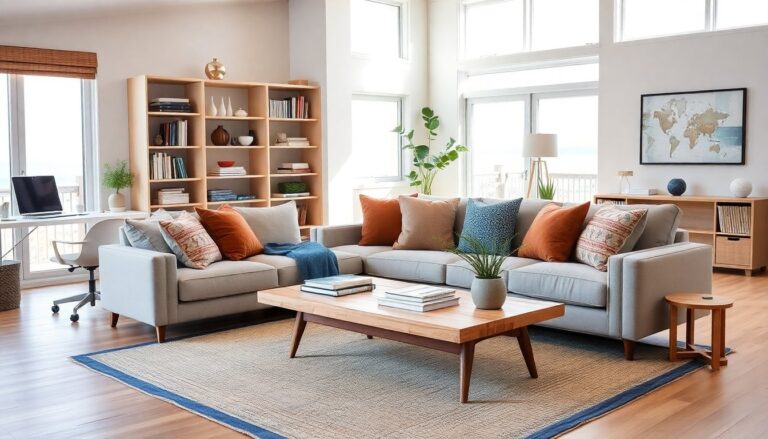
In recent years, the concept of a second home has evolved beyond a simple vacation retreat. It now serves multiple purposes, including temporary living and investment opportunities. Consequently, the approach to interior design must prioritize functionality and durability alongside aesthetics. This article outlines essential strategies for
furnishing a second home that accommodates diverse needs.
When planning the decor of a second home, it is crucial to first consider how the space will be utilized. Will it be used for short stays, frequent family gatherings, or perhaps as a workspace for remote work? Understanding the intended use is vital for creating spaces that are ready for immediate enjoyment, eliminating the need for constant adjustments upon arrival.
Understanding modern needs for a second home
Today’s second homes must cater to a range of functions. Each piece of furniture should be thoughtfully selected to support immediate use. Designing areas for easy navigation and accessibility enhances the living experience and minimizes clutter caused by oversized or impractical furnishings.
Design for functionality and ease of access
When selecting furniture, consider both size and layout. Arranging furniture to promote clear pathways can significantly improve how the space
is experienced. For instance, opting for modular furniture allows for flexible arrangements, while built-in storage solutions can keep spaces tidy and functional. The goal is to create an inviting atmosphere that feels open and less confined.
Choosing durable materials that last
The choice of materials used in a second home is paramount. While aesthetics remain important, durability is essential. These homes may endure varying weather conditions and extended periods of vacancy. Utilizing technical materials such as porcelain tiles, treated woods, and compact surfaces is increasingly popular. These materials not only withstand the test of time, but also retain their appeal even after years of use.
Comfort and easy maintenance
In addition to selecting robust materials, the choice of fabrics and upholstery should not be overlooked. Employing washable and stain-resistant textiles allows for a more carefree living experience, ensuring that guests can enjoy the space without stress. This approach to material selection fosters a welcoming environment, encouraging families to make the most of their time together.
Creating adaptable spaces with timeless design
Adaptability is key in a second home, which should seamlessly transition between various uses. Consider incorporating transformable furnishings such as extendable dining tables and integrated storage units that maintain both order and style without overwhelming the space. This versatility allows the home to accommodate both large family gatherings and quiet remote work sessions with ease.
Aesthetic choices that endure
Given that renovations are infrequent in second homes, it is vital to select a design aesthetic that will age gracefully. Neutral color palettes coupled with natural materials provide a solid foundation that can evolve over the years. A well-thought-out design not only enhances comfort, but also contributes to the overall value of the property, reducing the need for costly updates.
Effective space management and property value
One often overlooked aspect is the significance of visual order. By minimizing clutter and opting for functional furnishings, the management of everyday life becomes simpler. A decluttered environment promotes relaxation and reduces stress during stays. Moreover, even if there are no immediate plans to rent out the second home, considering its future value is essential. Thoughtfully designed interiors maintain their worth over time and can adapt to various uses, making them a strategic investment.
Considering the surrounding context
The location of a second home plays a crucial role in its design. Each area, whether near Lake Garda, in Verona, or in Cortina, presents unique characteristics that influence material selection, design choices, and user expectations. Understanding these local variables is fundamental for effective furnishing that resonates with the environment.
When planning the decor of a second home, it is crucial to first consider how the space will be utilized. Will it be used for short stays, frequent family gatherings, or perhaps as a workspace for remote work? Understanding the intended use is vital for creating spaces that are ready for immediate enjoyment, eliminating the need for constant adjustments upon arrival.0