

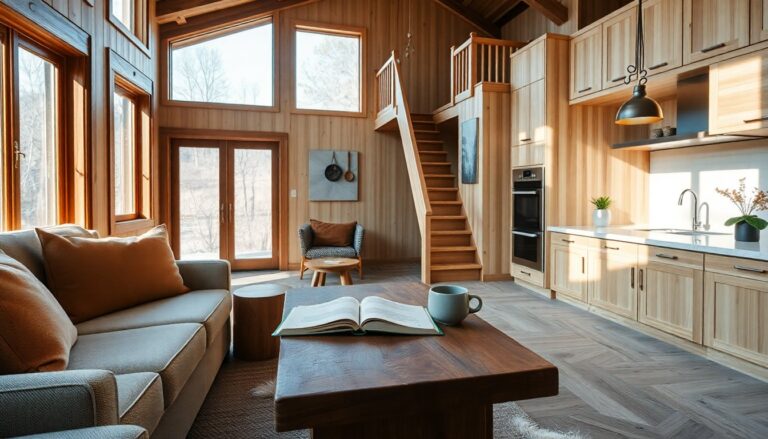
Homeowners are increasingly focusing on the renovation of second homes, whether they are seaside escapes, mountain lodges, or charming village retreats. The goal is to enhance these spaces to be more functional and sustainable, avoiding the shortcomings often faced in primary residences. This approach aims to create environments that
meet both current and future needs.
Renovation goes beyond aesthetic improvements; it requires a comprehensive rethinking of how these spaces are utilized. Many second homes, often inherited or purchased years ago, feature outdated systems and impractical layouts. This presents an opportunity to increase comfort, reduce maintenance costs, and enhance property value.
Redefining the purpose of a second home
Today’s second homes serve purposes beyond simple vacation
spots. They have transformed into sanctuaries for remote work and viable rental investments. Therefore, developing a strategic renovation plan is crucial. Before any demolition or decor decisions are made, assessing the property’s usage frequency, the number of occupants, and their lifestyle habits is essential.
Creating a welcoming environment
The renovation process should prioritize making the home manageable and ready to welcome guests after periods of disuse. This
focus affects design choices, from spatial arrangements to installation systems, as well as material selections and furnishing solutions. Balancing the preservation of the building’s original character with modern requirements is vital.
Preserving historical elements while optimizing space
Many second homes feature historical characteristics that deserve preservation. Effective space optimization does not require complete demolition; rather, it can be achieved through targeted interventions that improve room flow. The ultimate aim is to create a more livable environment while maintaining the property’s unique charm.
Material selection for durability and functionality
The choice of materials is crucial in the renovation process. It is important to select materials that are visually appealing yet practical and durable. For example, flooring must withstand sand, moisture, and temperature fluctuations, especially in coastal or mountain areas where heavy snow and humidity are prevalent.
Color selection also plays a significant role in interior design. Warm, natural hues can create inviting and calming atmospheres. Choosing timeless color palettes is essential for ensuring a pleasant ambiance for years to come. To inspire your decisions, consider exploring emerging trends in décor and color schemes.
Considering rental potential and guest comfort
Many property owners consider renting their second homes during peak seasons. This possibility requires careful planning of spaces and a focus on selecting resilient, low-maintenance materials. A well-designed home enhances functionality and improves the guest experience, ultimately increasing its market value.
The renovation of a second home necessitates a tailored approach, as do-it-yourself solutions may be insufficient. A customized plan optimizes time, budget, and results, avoiding potentially misguided long-term decisions. Understanding the owner’s needs and developing solutions that combine aesthetics with practicality is crucial.
In essence, renovating a second home provides an opportunity to create a space that meets modern demands without sacrificing its original essence. Through thorough planning and strategic choices, homeowners can transform their properties into welcoming and versatile retreats.