

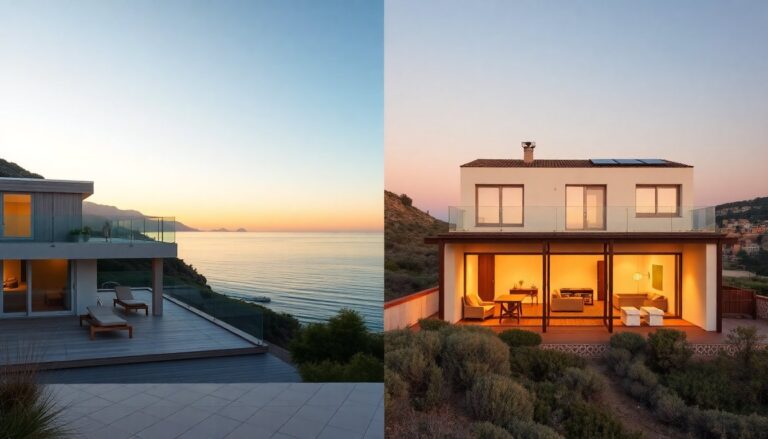
The market for second homes with sea views in Spain remains attractive thanks to its mild climate, relatively competitive prices compared with other European coasts and the prospect of rental income. Buying before the high season gives a buyer more choice and time to prepare the property
for personal use or short-term lets. This article lays out practical evaluation criteria and compliance points, then walks through two concrete duplex examples on the Costa Brava to illustrate how features, logistics and energy performance influence value.
When considering purchase, apply a methodical approach: weigh location, built quality, common services and the energy certificate. Also factor in local transport links and tourism rules that
can affect income from short-term rentals. Below we describe the main decision points, compare two representative properties and outline the documentation and regulatory checks you should insist on before signing.
Why choose a coastal property in Spain
The enduring appeal of a seaside home is not only lifestyle but also market resilience. Popular zones such as the Costa Blanca, Costa del Sol, the Balearic and
Canary islands remain in demand. Buying out of season often means access to a wider inventory and better negotiating power. Proximity to well-known beaches, accessible coastal paths and local amenities directly impacts the rental potential and resale prospects. For buyers aiming to generate income, locations with year-round services and good transport connections to airports such as Girona or Barcelona are especially valuable.
Key evaluation criteria
Location and rental potential
Assess how the micro-location affects attractiveness: a short walk to the sea, nearby restaurants and well-maintained promenades enhance appeal for holidaymakers. Consider whether the area supports short-term lets legally — some municipalities require specific licences. For clarity, ask the seller for any existing tourist licence and check community rules about rentals. Compare similar listings in the same area to gauge realistic occupancy and nightly rates when estimating return on investment.
Energy, maintenance and building quality
The energy certificate is a practical cost indicator. Lower performance bands mean higher running costs and potential retrofit expenses. Also evaluate the age of the building, recent communal works and any planned interventions by the homeowners’ association that could generate special assessments. Practical features such as covered parking, communal pool access and private outdoor spaces are important for both owner comfort and marketing to renters.
Two Costa Brava duplex examples
First, a duplex in S’Agaró: this property offers around 104 m² of usable space (approximately 124 m² built), with three bedrooms, two bathrooms, a terrace facing the sea and a small private garden. Located in a complex with well-kept gardens and a communal pool, it includes centralised heating ducts, an air conditioning heat-pump system, an island kitchen and a private parking space. The energy certificate rates it in class E (about 107 kWh/m²/year), signalling moderate efficiency but good year-round comfort. Its privileged position commands a notable asking price.
Second, a duplex in Sant Feliu de Guíxols, in the Volta de l’Ametller residential area, shows roughly 130 m² built with about 110 m² of habitable area. The property divides day and night zones across two floors and features generous terraces, a porch and access to shared gardens and a swimming pool. A fireplace and abundant external living areas are selling points, together with a covered parking bay. Its energy rating is lower (class F), an element to include in lifecycle cost calculations and potential efficiency upgrades.
Comparative considerations
Between the two, the S’Agaró duplex trades on location and slightly better energy performance, while the Sant Feliu option offers more external living space and a stronger separation of living areas. Buyers should weigh immediate comfort against likely running costs and potential renovation needs. If rental income is planned, energy class, outdoor space and parking will shape guest demand and pricing.
Practical steps and regulatory risks
Request full documentation before committing: floor plans, the energy certificate, minutes and financial statements from the homeowners’ association, and any tourist licences. In Spain, short-term rentals are subject to tighter controls: since 2026 properties offered for brief lets must display a CIN, an identification code required by the authorities. Enforcement has intensified — the Guardia di Finanza reinforced controls in their 2026 operational plan — and missing or improperly declared listings have led to significant recoveries and fines. Municipal sanctions for failing to show the CIN can be heavy, so confirm compliance early.
Also schedule a visit outside the high season to test sunlight, ventilation and access, and to appreciate the neighbourhood pace. Finally, model recurring charges against realistic rental projections to confirm sustainability. Whether your goal is seasonal use, full-time living or a rental investment, aligning location, compliance and energy performance will protect both lifestyle enjoyment and financial upside.