

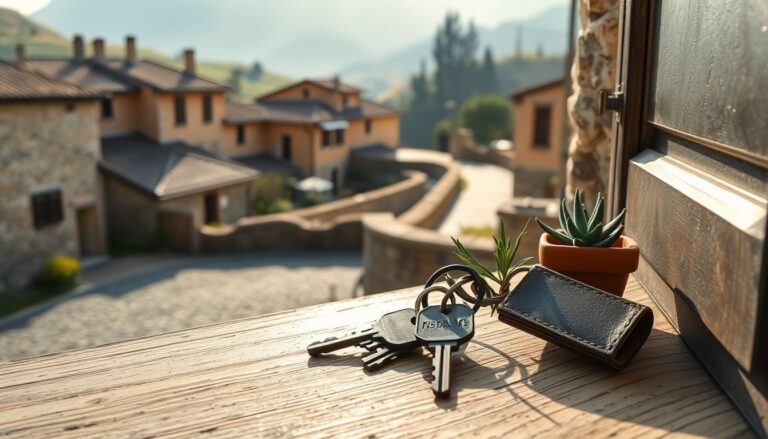
The valleys of Valtaro and Val Ceno offer a compelling mix of natural scenery, historic villages and traditional dwellings that appeal to anyone looking for a second home in the countryside. Nestled on the edge of the Parma Apennines, these areas blend agricultural landscapes, wooded slopes and streams
with clusters of stone buildings and paths that invite exploration. For many buyers the attraction is both practical and emotional: the chance to own a property rooted in local character while keeping sensible travel links to urban centers and the coast.
The region’s characteristic dwellings are often stone houses with features that reflect centuries of rural living and local craftsmanship. These homes frequently use natural materials and
time-tested techniques, making them suitable for sensitive upgrades with principles of bioarchitecture and conservation. Understanding the construction, access and legal context is essential for a successful purchase; the guidance below outlines what to expect, how to evaluate a property and which checks to prioritise.
Why choose Valtaro and Val Ceno
Choosing these valleys means opting for a quieter pace of life framed by agricultural fields, forests and flowing water,
which contributes to general well-being and a strong sense of place. Local villages maintain essential services while keeping the intimate scale and authentic atmosphere many buyers seek for a seasonal retreat or a full-time move. The area is attractive not only to those who want a private getaway but also to people interested in restoration projects, agritourism or small hospitality ventures that benefit from the interplay between landscape and built heritage.
Typical features of the local stone houses
Local homes reveal recurring architectural elements: robust load-bearing stone walls, external staircases leading to living floors, ground-level spaces traditionally used as stables or storage, and expansive barns directly connected to the land. Roofs are often covered with traditional stone slabs, locally called ciappe (traditional stone slabs used for roofs), which are both an aesthetic hallmark and a historic construction choice. These features create a distinctive silhouette on the landscape and offer practical advantages such as thermal inertia provided by thick masonry.
Layout and materials
The typical layout supports a functional relationship between living quarters and agricultural uses: hay lofts and outbuildings sit adjacent to the main dwelling and historically supported mixed farming life. Materials are mainly local stone, timber beams and natural roofing elements, which makes many interventions compatible with conservation-minded restoration. When considering a purchase, factor in the costs to repair or upgrade roofs, floors and joinery, and the opportunities to use eco-friendly insulation and systems that respect the building’s character.
Thermal performance and restoration
Thick stone walls deliver notable energy benefits through thermal mass, moderating temperature swings and reducing heating peaks. However, efficient living still usually requires careful upgrading of insulation, windows and services. Successful projects combine traditional techniques with modern solutions: breathable natural plasters, reversible mechanical systems, and respectful reinforcement of masonry. Seek professionals experienced in restorative conservation to preserve structural and aesthetic values while improving comfort.
Location, access and opportunities
One of the strengths of these valleys is their balanced accessibility: the Parma Apennines sit roughly ninety minutes from both Milan and Bologna, making weekend travel feasible, while the coast can be reached in about sixty minutes toward either the Ligurian Riviera or the Versilia. Parma itself is around forty-five minutes away, providing cultural amenities and administrative services. This strategic location supports uses ranging from private seasonal retreats to rural hospitality: easy road connections make material transport and renovation work more manageable, while proximity to cities broadens markets for tourism initiatives.
Practical checklist for buyers
Before committing to a purchase, prioritise a structured series of verifications: obtain up-to-date floor plans and cadastral documentation, check for any landscape or heritage restrictions, and schedule a detailed structural survey focusing on roof coverings (including ciappe), foundations and masonry. Confirm the land’s zoning and permitted uses, especially when a property includes agricultural or wooded parcels; these factors affect both value and potential for development. Professional appraisals will help estimate restoration costs and inform realistic budgeting.
Documents and restoration team
Collect all existing documentation—planimetries, cadastral certificates and any records of past interventions—prior to signing. Restoration of traditional stone buildings often demands specialists in consolidation, roofing and breathable finishes, so assemble a team knowledgeable in conservative restoration. For current market listings and recent additions consult local real estate sources; listings were last updated 03/04/26, which may help you compare offers and spot new opportunities.
In summary, Valtaro and Val Ceno present a rare combination of landscape, heritage and accessibility that suits buyers seeking authenticity and tranquility without forfeiting practical connections to urban and coastal amenities. With careful checks, the right professionals and respect for the local fabric, a stone house here can become either a cherished second home or a rewarding restoration project blending past and present.