

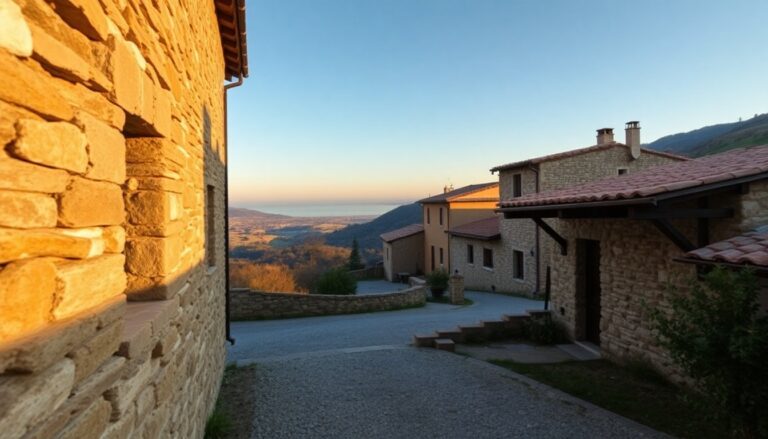
The valleys of Valtaro and Valceno sit in the Parma Apennines at the intersection of Liguria and Tuscany, offering a distinctive blend of countryside calm and surprisingly practical connections to urban centres and the coast. For buyers considering a second home, these valleys present properties with strong character:
stone façades, agricultural annexes and landscapes that reward restoration efforts. This article breaks down the practical reasons to look here, the architectural features that define local houses and the community investments that support mountain life.
Why these valleys matter for second-home buyers
The appeal is both aesthetic and functional. Traditional dwellings—often built in local stone with exterior staircases and ground floors used
for storage or agricultural purposes—deliver a tactile link to the region. Beyond looks, many of these constructions embody sustainable building practices such as dry-stone masonry and natural-slate roofs, which can reduce embodied energy compared with modern systems. For those seeking a retreat with scope for productive land use, plots frequently include garden areas suitable for orchards, vegetable plots or small recreational spaces. The combination of authenticity
and potential for eco-sensitive renovation is a central attraction.
Materials, restoration and an example from the south
When evaluating a rustic property, it helps to understand local materials and how contemporary design can respect them. The region’s stone walls, wooden elements and slate roofs are key heritage features that often determine both restoration costs and value. An illustrative parallel comes from a renovation project in Sicily where architects preserved a found lava bench and made it the home’s focal point. That project used light, wood and metal to create a modern living area while retaining the rock as a symbolic anchor. Similarly, in Valtaro and Valceno a thoughtful intervention can combine heritage conservation with modern efficiency—creating a convivial meeting point in the living area while upgrading thermal performance and systems.
Practical tips on restoration
Before purchase, commission a structural survey to assess foundations, masonry and roof condition, and investigate local planning rules for converting barns and agricultural spaces. Consider energy efficiency upgrades that respect the original fabric—insulation approaches that preserve stone façades, selective window replacement and discreet mechanical systems are common. Working with local craftsmen and architects experienced in conservation renovation reduces surprises and often uncovers creative ways to retain authenticity while improving comfort.
Location and everyday accessibility
Accessibility is a crucial selling point. From these Apennine valleys you can reach major urban centres and the coast in practical timeframes: roughly 90 minutes from Milan or Bologna, about 45 minutes to Parma, and near 60 minutes to coastal destinations such as the Riviera di Levante, the 5 Terre and Versilia. This means owners can alternate between rural weekends and city or seaside outings without long transfers. Strong road links make the valleys viable both as seasonal retreats and for more regular use, expanding their appeal to a wide range of buyers who value both seclusion and connectivity.
Community infrastructure and mountain investments
The wider mountain ecosystem also influences long-term value. Regional investment programmes strengthen local services and tourist infrastructure, which in turn support property demand. Notably, the Bando Rifugi 2026 from Regione Lombardia has made substantial allocations that benefit alpine communities. As reported, over €2.2 million were assigned to the province of Sondrio within a broader envelope of about €6 million, funding 17 interventions on mountain refuges and facilities. These measures aim to improve safety, energy efficiency and accessibility, reinforcing the appeal of mountain areas for sustainable tourism and local economies.
Selected funded projects
Some of the contributions include: Valfurva (over €147,000), Club Alpino Italiano – Sezione di Seregno – Rifugio Longoni (€279,826), Grosio – Rifugio Eita (€241,879), Chiesa in Valmalenco (over €370,000), Lanzada (over €319,000) and others such as Albaredo per San Marco – Rifugio Alpe Lago (€177,000) and Piuro – Rifugio Savogno (€115,255). These investments strengthen mountain services and signal institutional commitment to alpine areas.
Buying advice and next steps
For prospective buyers, begin with a comprehensive inspection and a clear review of cadastral and zoning documents—especially when properties include barns or agricultural land that may require formal change of use. Factor in restoration budgets, possible incentives for energy upgrades and the time needed for permits. Consult local professionals—architects familiar with traditional materials, surveyors and legal advisors—and monitor market listings for fresh opportunities: recent entries were noted on 17/03/26 showcasing homes with gardens and attached land. With careful planning, a property in Valtaro or Valceno can deliver both a meaningful connection to place and a resilient long-term investment.
In short, these valleys offer a rare mix: genuine rural character, viable renovation potential and practical links to city and sea. Whether you prioritise an authentic stone house to restore or a tranquil base for weekend escapes, the region rewards buyers who value conservation-minded design and regional support for mountain communities.