

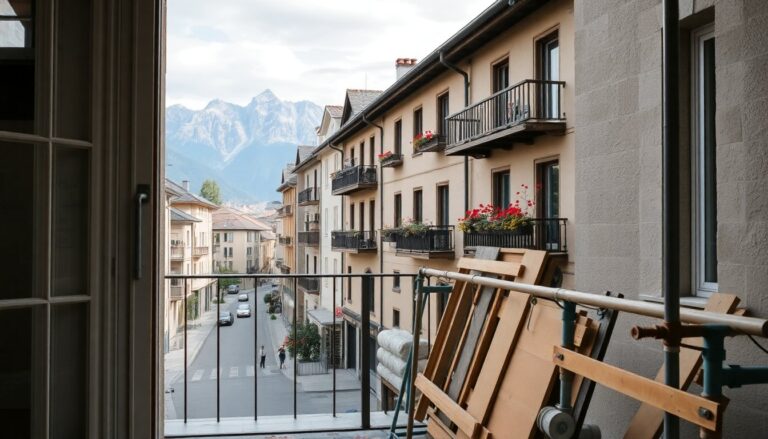
Brunico (Bruneck), the administrative heart of Val Pusteria, combines mountain charm with a stable local market, creating a distinctive environment for property investors. The town’s proximity to Plan de Corones / Kronplatz and the nearby Dolomites supports a steady tourist flow that extends beyond the winter ski
peak; this means properties can be positioned for both rental income and long-term capital appreciation. Understanding the local balance between visitor demand and resident housing needs is essential to design an investment plan that fits risk appetite and return expectations.
For many buyers the choice is not binary: some look for a second home, others for short-term holiday letting, and some seek traditional long-term
tenants. The combination of a limited supply of new building plots and a consistent resident base pushes attention toward improving existing stock. Investors who focus on value-add renovations or energy upgrades can often unlock better yields than by buying turnkey units in saturated price brackets. Local market intel and careful cost planning are critical to realize these potential rewards.
Why Brunico draws investor interest
Several factors make Brunico
attractive: its strategic location at the foot of Kronplatz, robust visitor numbers across seasons, and a regional reputation for stability. The presence of families seeking mountain homes, buyers relocating from nearby provinces and international purchasers adds diversity to demand. These buyer types allow for a mix of strategies—short-term holiday lets in high-season weeks, mid-term leases during shoulder periods, and permanent rentals for year-round residents. A measured approach that aligns property features with target tenants improves the chance of steady occupancy and healthier returns.
Demand dynamics: tourism and local housing
The market in Brunico sits at the intersection of tourism-driven demand and everyday residential needs. The tourist segment supports short-term rentals and seasonal occupancy, while the resident market provides a baseline of steadier, long-term tenancy. This duality permits flexible operating models where owners combine periods of short-term letting with longer leases to reduce vacancy risk. Carefully matching property location—proximity to lifts, transport links and town services—with the intended audience is crucial to maximize both occupancy and rental rates.
Seasonality and events
Although winters bring strong skier traffic, Brunico benefits from multi-season appeal: spring, summer and autumn activities broaden the rental calendar. For example, the Dolomiti Springdays promotion runs from 15.03.-19.04.2026, offering special packages that can boost demand in late season; such initiatives illustrate how event-based marketing extends guest stays beyond peak months. Investors should map local event calendars and partner offerings to anticipate high-demand windows and price accordingly.
Profiles of typical buyers
Buyers in the area include Italian families purchasing mountain residences, purchasers from other Italian provinces, and international investors who appreciate Alto Adige’s relative market stability. Each group prioritizes different features: families may value space and school access, while holiday renters often seek proximity to ski lifts and modern interiors. Understanding these preferences helps define renovation priorities and furnishing choices that improve market fit and possible rental yield.
Value-add strategies and renovation levers
When new development land is scarce, the most effective way to increase property value is through targeted interventions. Renovation, subdivision and energy upgrades can convert ordinary apartments into premium offerings. Improvements such as upgraded insulation, modern heating systems and smart layouts not only lower running costs for occupants but also justify higher asking prices. Investors should prepare realistic budgets, factor in alpine logistical costs and examine local building codes to ensure projects remain profitable.
Renovation specifics and incentives
Work focused on thermal insulation, updated building systems and contemporary finishes tends to deliver strong returns in this market. In addition, many regional programs offer incentives for energy-saving interventions; consulting municipal rules early in the planning stage helps turn regulatory constraints into opportunities. Engaging contractors experienced with mountain logistics and timing builds certainty into schedules, reducing the risk of extended downtime that can hurt short-term cash flow.
Practical checklist and local expertise
Before committing, run a full feasibility assessment: estimate renovation and maintenance costs, model seasonality for short-term letting, and confirm zoning or permit limits. Local advisors add value by providing up-to-date comparables, guidance on likely rental rates and assistance with bureaucracy. For instance, firms rooted in the area—such as Immobiliare Niederkofler—can supply market-specific appraisals and operational advice. A collaborative team of local real estate agents, architects and property managers reduces uncertainty and supports a realistic, sustainable investment plan in Brunico.