

The choice of glazing, frames and entrance doors affects more than appearance: it shapes daily comfort, security and energy bills. A manufacturer that started in 1994 and expanded into the window and door sector in 1999 emphasizes a customer-first approach, clear communication and warm, durable
materials. That history matters because it reflects accumulated experience in matching technical performance to home design. If you are considering tailor-made solutions, this guide presents useful explanations of materials, common profile widths and practical options that influence both the look of a room and its thermal performance. Throughout, thermal insulation and effective sealing are highlighted as primary drivers of long-term comfort and savings, while bespoke configuration means
adapting features to each project.
Product families and practical qualities
The product offering covers a range of entries and window formats designed for longevity. PVC entrance doors are presented as a blend of security and curb appeal: they act as a home’s calling card while needing to deliver adequate thermal performance. Windows are available in many configurations and finishes, with choices of pellicles and coatings to suit different tastes. The intention is to combine
pleasing looks with measurable technical specifications such as frame depth, glazing type and ease of maintenance. When comparing options, focus on characteristics like multi-chamber construction, gasket quality and frame reinforcement, because these elements determine insulation and the requirement for periodic upkeep.
Why profile geometry matters
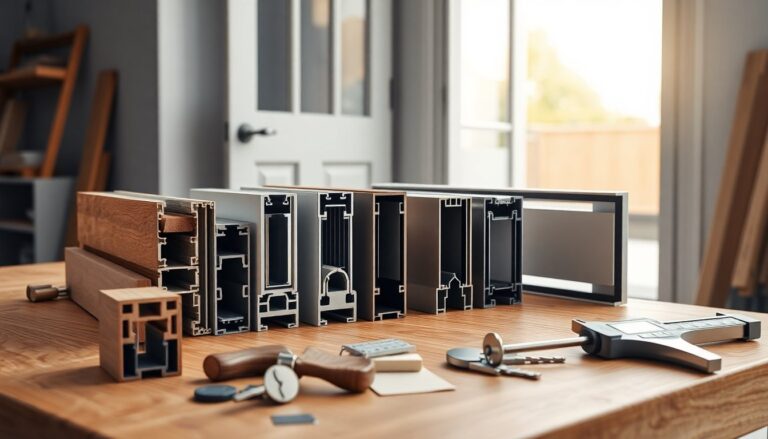
Profile dimensions and internal architecture directly influence strength, stability and energy behavior. A popular option is a 70 mm frame depth, which gives a good compromise between appearance and insulating volume. For example, profiles that accept internal steel reinforcements improve structural rigidity and long-term flatness under load, lowering the risk of warping. Choosing a profile with rounded or classical lines allows stylistic flexibility, while the presence of multiple chambers inside the profile increases the path for heat to travel, reducing thermal losses. In short, look for a combination of adequate frame depth, consistent sealing and robust reinforcement for reliable performance.
Rehau: a balanced choice
The Rehau profile is often suggested for those seeking a balance between form and function. Built around a 70 mm geometry and designed with options for both classic and softened contours, it supports varied architectural styles. Technically, the inclusion of galvanized steel reinforcements contributes to overall stability, while careful sealing and profile design help cut down on energy consumption. If your priority is a durable, broadly adaptable system that performs well in terms of comfort and utility bills, this class of profile represents a solid option without forcing stylistic compromises.
P-Line and Aluplast: affordability without major trade-offs
The P-Line series is positioned as a budget-friendly route that does not sacrifice essential features. Thanks to a multi-chamber layout and contemporary lines, it maintains credible thermal insulation and reduces maintenance needs. Wide finishing possibilities via different films and colors increase aesthetic flexibility. Similarly, the Aluplast profile mirrors many of the benefits of thicker systems, typically offering 70 mm sections and internal reinforcement options aimed at energy reduction. Both choices are useful when balancing initial cost and long-term efficiency: they allow designers and homeowners to match budget constraints with expected performance.
Comfort, security and environmental considerations
Beyond mechanical and thermal performance, selecting frames and doors requires attention to safety and environmental impact. Materials are chosen to provide protection and reduce heat dispersion, creating a more comfortable interior environment. The manufacturer highlights commitments to energy saving and sustainable practices: designing products for durability and considering aspects of the circular economy help limit the overall environmental footprint. Selecting long-lived, maintainable components and preferring suppliers who articulate a clear sustainability policy support better lifecycle outcomes for both building owners and the planet.
Local presence and aftercare
Practical support matters as much as the product itself. A network of local points-of-sale and service centers — including offices in Gallarate, Castellanza, Viadana, Cassano Magnago, Pordenone and Grosseto — enables personalized consultations, on-site measurements and tailored installations. Post-sale assistance and the ability to configure components to precise requirements are critical for achieving the intended result. Choosing a supplier with local reach means access to timely maintenance, replacement parts and expert advice, which together preserve performance and value over time.
Guidelines for a confident decision
When comparing proposals, weigh profile thickness, presence of steel reinforcement, glazing specification and finishing options. Confirm installer competence, warranty terms and the supplier’s stance on environmental responsibility. For custom projects, testing options like different film finishes or hardware selections can help align the final look with functional needs. Prioritize vendors that combine technical transparency, local assistance and sustainable design principles to secure durable, attractive and efficient doors and windows that match both your aesthetic and practical goals.