

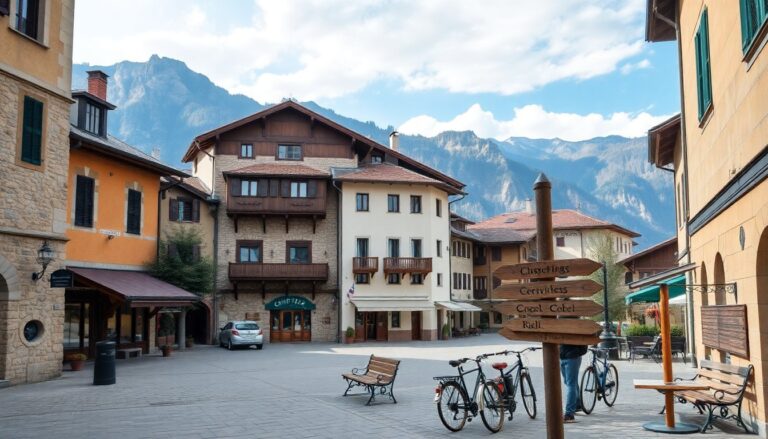
Trentino-Alto Adige blends lively towns and dependable services with dramatic mountain scenery and lakeside charm. Whether you’re hunting a year‑round home, a lakeside second residence, or a mountain retreat to let out, this region offers varied opportunities — and a handful of recurring constraints you should
plan around. Below is a practical, readable guide to what matters, where to look, and how to protect both lifestyle and investment value.
What to decide before you start viewing
– Clarify your purpose. Are you buying for full-time living, occasional getaways, or rental income? This single choice steers location, size and budget decisions.
– Test accessibility. Check road and rail links, seasonal road closures and travel time
to regional hubs. Reliable year‑round access matters for everyday life and for letting during off‑peak months.
– Confirm public services. Hospitals, schools, reliable utilities and waste collection support resale value and family life.
– Read the land‑use rules. Zoning, landscape protections and heritage restrictions often limit building work and new dwellings — and therefore future supply.
– Understand tourism profiles. Is demand steady
across the year or concentrated into summer or winter peaks? Mixed‑season destinations usually give steadier rental returns.
– Factor in taxes and incentives. Property transfer costs, regional taxes and grants for energy upgrades all change the net return — get fiscal advice early.
– Prioritise condition and energy performance. Mountain properties can mean higher upkeep; modern insulation and heating reduce running costs and may qualify for subsidies.
– Talk to the municipality early. Local councils control building permits, conservation rules and tourist‑rental licences; engaging them before you commit saves surprises.
Region snapshot: how Trentino and Alto Adige differ
Trentino (to the south and west) is famous for lakes, thermal towns and accessible alpine valleys. Think Lake Garda’s northern shores, Trento town, the Dolomites on the Trentino side and wellness destinations such as Levico and Comano Terme — a mix that appeals to families, outdoor lovers and spa tourists.
Alto Adige / South Tyrol (north and northeast) centres on high‑quality mountain resorts and compact towns with strong service infrastructures. Bolzano (Bozen) and Merano (Meran) are the largest urban hubs; smaller towns like Brunico (Bruneck) and Vipiteno (Sterzing) offer lower entry prices but solid quality‑of‑life attributes.
Where to focus: standout localities
Trentino
– Lake Garda (Riva del Garda, Arco): year‑round services, strong tourism for sailing and cycling, good transport and healthcare access.
– Trento: administrative, cultural and university centre with hospitals and steady long‑term demand — suitable for families and long‑stay residents.
– Thermal towns (Levico Terme, Comano Terme): wellness tourism cushions seasonality; attractive for older buyers and longer‑stay visitors.
– Alpine valleys and Dolomite villages: perfect for second homes and outdoor lifestyles; rental income often very seasonal.
Alto Adige / South Tyrol
– Bolzano: the region’s highest valuations, supported by a diverse economy and extensive services.
– Merano: milder climate and cultural attractions that draw families and buyers seeking lifestyle comforts.
– Val Gardena and other ski valleys: constrained inventory in premium resorts, strong international demand and a focus on short‑stay tourism.
– Smaller centres (Brunico, Vipiteno): lower purchase prices, stable year‑round rental prospects rather than peak‑season spikes.
Market drivers and risks
– Supply constraints in desirable locations keep prices elevated where development is limited by landscape or heritage rules.
– Seasonality and international travel trends strongly influence short‑term lettings; places with multiple attractions (spa, outdoor sports, cultural events) usually perform better across the year.
– Infrastructure projects and major events can lift demand locally, but benefits depend on completed transport links and long‑term municipal planning.
– Watch for regulatory shifts on short‑term rentals, conservation-driven limits and weather‑related costs — these are realistic threats to projected yields.
Infrastructure, events and local governance
Transport upgrades, event calendars and public works can change demand trajectories. For example, the 2026 Winter Games in northern Italy stimulated infrastructure investment and renewed interest in alpine real estate — but the permanence of any price gains depends on completed projects and local planning decisions.
Local NGOs, conservation groups and regional environmental policies also play a practical role. Active conservation programs often result in stricter planning controls that protect scenery and, in turn, tend to support long‑term values — while limiting development opportunities.
Practical search steps and due diligence
– Check municipal land‑use plans and recent zoning changes to spot conservation designations, protected areas or new restrictions. Municipal planning offices are the authoritative source.
– Request title documents and search for easements, covenants, or public‑right‑of‑way claims that could affect use or access.
– Obtain energy performance certificates and seismic safety reports where relevant; alpine zones can have specific structural standards.
– Verify occupancy and income history with documented rental records if you’re buying for letting.
– Consider commissioning an ecological survey in properties near wetlands, reserves or known habitats for protected species.
– Get written estimates for upgrades or remediation works before you bid — realistic costings change the investment equation.
What to decide before you start viewing
– Clarify your purpose. Are you buying for full-time living, occasional getaways, or rental income? This single choice steers location, size and budget decisions.
– Test accessibility. Check road and rail links, seasonal road closures and travel time to regional hubs. Reliable year‑round access matters for everyday life and for letting during off‑peak months.
– Confirm public services. Hospitals, schools, reliable utilities and waste collection support resale value and family life.
– Read the land‑use rules. Zoning, landscape protections and heritage restrictions often limit building work and new dwellings — and therefore future supply.
– Understand tourism profiles. Is demand steady across the year or concentrated into summer or winter peaks? Mixed‑season destinations usually give steadier rental returns.
– Factor in taxes and incentives. Property transfer costs, regional taxes and grants for energy upgrades all change the net return — get fiscal advice early.
– Prioritise condition and energy performance. Mountain properties can mean higher upkeep; modern insulation and heating reduce running costs and may qualify for subsidies.
– Talk to the municipality early. Local councils control building permits, conservation rules and tourist‑rental licences; engaging them before you commit saves surprises.0
What to decide before you start viewing
– Clarify your purpose. Are you buying for full-time living, occasional getaways, or rental income? This single choice steers location, size and budget decisions.
– Test accessibility. Check road and rail links, seasonal road closures and travel time to regional hubs. Reliable year‑round access matters for everyday life and for letting during off‑peak months.
– Confirm public services. Hospitals, schools, reliable utilities and waste collection support resale value and family life.
– Read the land‑use rules. Zoning, landscape protections and heritage restrictions often limit building work and new dwellings — and therefore future supply.
– Understand tourism profiles. Is demand steady across the year or concentrated into summer or winter peaks? Mixed‑season destinations usually give steadier rental returns.
– Factor in taxes and incentives. Property transfer costs, regional taxes and grants for energy upgrades all change the net return — get fiscal advice early.
– Prioritise condition and energy performance. Mountain properties can mean higher upkeep; modern insulation and heating reduce running costs and may qualify for subsidies.
– Talk to the municipality early. Local councils control building permits, conservation rules and tourist‑rental licences; engaging them before you commit saves surprises.1
What to decide before you start viewing
– Clarify your purpose. Are you buying for full-time living, occasional getaways, or rental income? This single choice steers location, size and budget decisions.
– Test accessibility. Check road and rail links, seasonal road closures and travel time to regional hubs. Reliable year‑round access matters for everyday life and for letting during off‑peak months.
– Confirm public services. Hospitals, schools, reliable utilities and waste collection support resale value and family life.
– Read the land‑use rules. Zoning, landscape protections and heritage restrictions often limit building work and new dwellings — and therefore future supply.
– Understand tourism profiles. Is demand steady across the year or concentrated into summer or winter peaks? Mixed‑season destinations usually give steadier rental returns.
– Factor in taxes and incentives. Property transfer costs, regional taxes and grants for energy upgrades all change the net return — get fiscal advice early.
– Prioritise condition and energy performance. Mountain properties can mean higher upkeep; modern insulation and heating reduce running costs and may qualify for subsidies.
– Talk to the municipality early. Local councils control building permits, conservation rules and tourist‑rental licences; engaging them before you commit saves surprises.2
What to decide before you start viewing
– Clarify your purpose. Are you buying for full-time living, occasional getaways, or rental income? This single choice steers location, size and budget decisions.
– Test accessibility. Check road and rail links, seasonal road closures and travel time to regional hubs. Reliable year‑round access matters for everyday life and for letting during off‑peak months.
– Confirm public services. Hospitals, schools, reliable utilities and waste collection support resale value and family life.
– Read the land‑use rules. Zoning, landscape protections and heritage restrictions often limit building work and new dwellings — and therefore future supply.
– Understand tourism profiles. Is demand steady across the year or concentrated into summer or winter peaks? Mixed‑season destinations usually give steadier rental returns.
– Factor in taxes and incentives. Property transfer costs, regional taxes and grants for energy upgrades all change the net return — get fiscal advice early.
– Prioritise condition and energy performance. Mountain properties can mean higher upkeep; modern insulation and heating reduce running costs and may qualify for subsidies.
– Talk to the municipality early. Local councils control building permits, conservation rules and tourist‑rental licences; engaging them before you commit saves surprises.3